

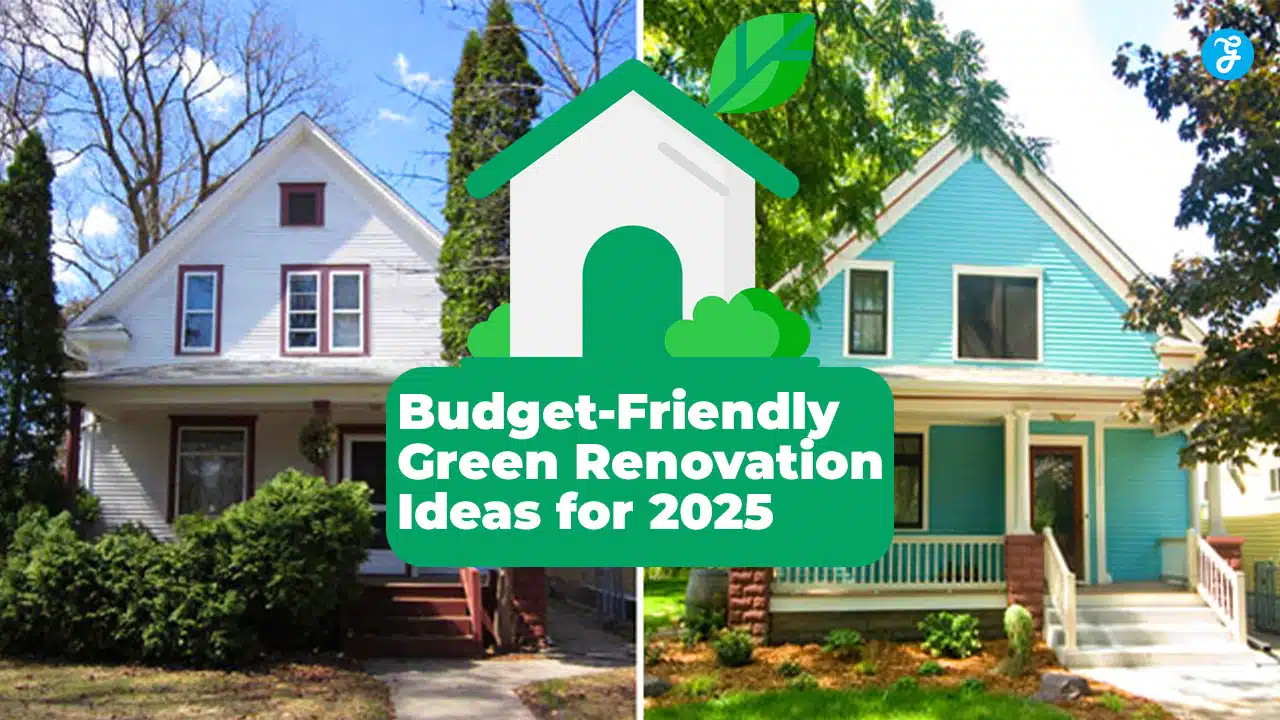
As we progress into 2025, the emphasis on sustainable living has intensified. Homeowners are increasingly seeking eco-friendly renovation options that are both cost-effective and environmentally responsible.
Contrary to the misconception that green renovations are expensive, numerous affordable solutions can enhance your home’s energy efficiency and reduce its carbon footprint.
This article presents eight budget-friendly green renovation ideas, complete with real-time data and insights to guide your sustainable home improvement journey.
Why Opt for Green Renovations in 2025?
Green renovations offer multiple advantages:
- Environmental Impact: Implementing energy-efficient and sustainable practices reduces greenhouse gas emissions and conserves natural resources.
- Cost Savings: Upgrades such as energy-efficient appliances and improved insulation can lead to significant reductions in utility bills.
- Government Incentives: Many governments provide financial incentives, including tax credits and rebates, to encourage homeowners to adopt green technologies.
- Increased Property Value: Eco-friendly homes are increasingly attractive to buyers, potentially enhancing resale value.
| Benefits of Green Renovations | Details |
| Environmental Impact | Reduces energy and water consumption, lowering carbon footprint. |
| Cost Savings | Decreases utility expenses through efficient energy use. |
| Government Incentives | Access to tax credits, rebates, and grants for sustainable upgrades. |
| Increased Property Value | Enhances market appeal and potential resale value of the home. |
1. Upgrade to Energy-Efficient Lighting
Transitioning to energy-efficient lighting is a straightforward and economical way to reduce energy consumption. Light Emitting Diode (LED) bulbs consume significantly less energy and have a longer lifespan compared to traditional incandescent bulbs.
Benefits:
- Energy Reduction: LEDs use up to 80% less energy than incandescent bulbs.
- Longevity: LED bulbs can last up to 25 times longer than traditional bulbs.
- Cost Savings: Lower energy usage translates to reduced electricity bills.
Estimated Cost: Approximately $5–$15 per LED bulb.
| Lighting Type | Energy Consumption | Average Lifespan | Cost per Bulb |
| LED | 8–12 watts | 15,000–25,000 hours | $5–$15 |
| Incandescent | 60–100 watts | 1,000 hours | $1–$2 |
| CFL | 13–15 watts | 8,000–10,000 hours | $2–$5 |
2. Seal Windows and Doors
Air leaks around windows and doors can lead to substantial energy loss, increasing heating and cooling costs. Sealing these gaps is an effective way to enhance energy efficiency.
Benefits:
- Improved Comfort: Prevents drafts, maintaining consistent indoor temperatures.
- Energy Savings: Reduces the workload on HVAC systems, leading to lower energy consumption.
- Cost-Effective: Inexpensive materials with a high return on investment.
Estimated Cost: $10–$50 for materials such as weatherstripping and caulk.
| Sealing Material | Average Cost | Effectiveness |
| Weatherstripping | $10–$30 | Effective for movable joints |
| Caulk | $5–$10 | Ideal for stationary cracks |
| Door Sweeps | $10–$20 | Blocks drafts under doors |
3. Install Low-Flow Plumbing Fixtures
Low-flow fixtures are designed to reduce water usage without compromising performance, leading to conservation and cost savings.
Benefits:
- Water Conservation: Significantly decreases household water usage.
- Cost Savings: Lowers water bills and reduces energy costs associated with heating water.
- Environmental Impact: Conserves vital water resources.
Estimated Cost: $20–$150 per fixture.
| Fixture Type | Standard Water Usage | Low-Flow Water Usage | Potential Savings |
| Showerhead | 2.5 GPM | 1.5 GPM | Up to 40% water saved |
| Faucet | 2.2 GPM | 1.0 GPM | Up to 55% water saved |
| Toilet | 3.5 GPF | 1.6 GPF | Over 50% water saved |
GPM: Gallons Per Minute; GPF: Gallons Per Flush
4. Enhance Home Insulation
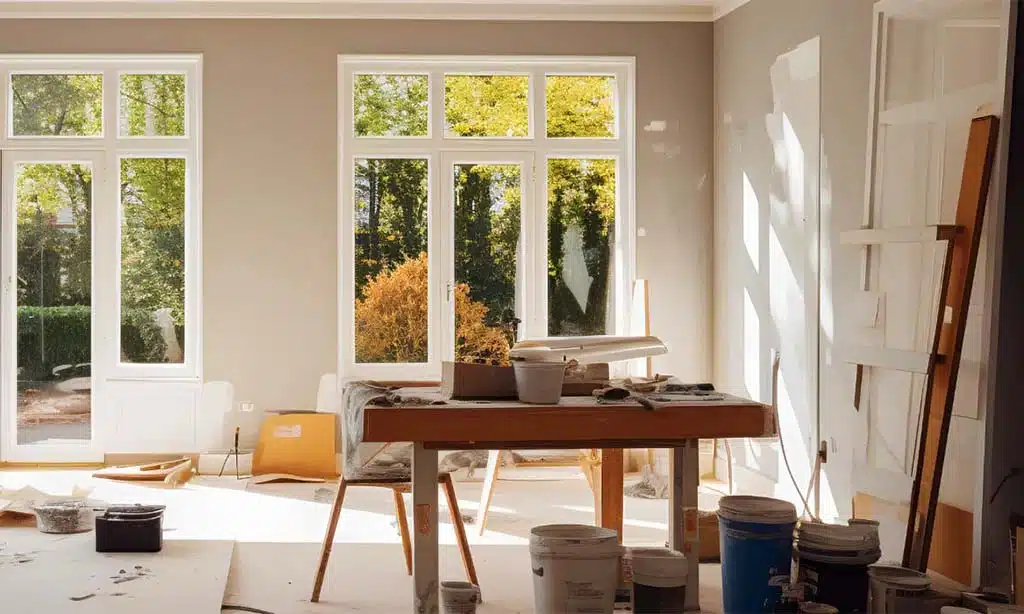
Proper insulation is crucial for maintaining indoor temperatures, thereby reducing the need for excessive heating or cooling.
Benefits:
- Energy Efficiency: Minimizes heat loss in winter and heat gain in summer.
- Cost Savings: Lowers energy bills by reducing HVAC system usage.
- Comfort: Maintains a consistent indoor climate.
Estimated Cost: $1–$3 per square foot for DIY insulation materials.
| Insulation Material | Cost per Sq. Ft. | R-Value per Inch | Best Application Areas |
| Fiberglass Batts | $0.50–$1.00 | R-3.1 |
5. Use Recycled or Reclaimed Materials
Incorporating recycled or reclaimed materials into your renovations is a sustainable and cost-effective way to reduce waste and add character to your home. Materials like reclaimed wood, salvaged bricks, or recycled glass countertops are durable and environmentally friendly.
Benefits:
- Cost Savings: Recycled materials are often cheaper than brand-new options.
- Environmental Impact: Reduces demand for new resources and minimizes landfill waste.
- Aesthetic Appeal: Adds unique and rustic charm to your home decor.
Estimated Cost: Varies depending on the material and source; generally 20%-50% less than new materials.
| Material | Recycled Alternative | Cost Savings | Common Uses |
| Hardwood Flooring | Reclaimed wood | 20%-50% | Living rooms, bedrooms |
| Countertops | Recycled glass or concrete | 25%-40% | Kitchens, bathrooms |
| Bricks | Salvaged bricks | Up to 50% | Walls, patios |
6. Install a Programmable or Smart Thermostat
Smart thermostats allow homeowners to optimize their heating and cooling schedules, saving energy and money without compromising comfort. These devices can also be controlled remotely via smartphone apps.
Benefits:
- Energy Savings: Save up to 10%-15% annually on heating and cooling bills.
- Convenience: Adjust settings from anywhere with Wi-Fi-enabled models.
- Customization: Schedule temperature changes based on daily routines.
Estimated Cost: $50-$250, depending on the model.
| Thermostat Type | Price Range | Features | Energy Savings |
| Programmable | $50-$100 | Manual scheduling | Up to 10% |
| Smart (Wi-Fi Enabled) | $100-$250 | Remote access, energy usage tracking | Up to 15% |
7. Paint with Low-VOC or No-VOC Paints
Traditional paints release Volatile Organic Compounds (VOCs), which can negatively impact indoor air quality. Low-VOC or no-VOC paints are a healthier alternative that still offers a wide range of colors and finishes.
Benefits:
- Improved Air Quality: Safer for children, pets, and individuals with allergies.
- Eco-Friendly: Reduces the release of harmful chemicals into the atmosphere.
- Long-Lasting Results: Comparable durability to traditional paints.
Estimated Cost: $30-$60 per gallon, depending on the brand.
| Paint Type | VOC Level | Cost per Gallon | Coverage per Gallon |
| Traditional Paint | High (100+ g/L) | $20-$40 | 300-400 sq. ft. |
| Low-VOC Paint | Low (50 g/L or less) | $30-$50 | 300-400 sq. ft. |
| No-VOC Paint | None (5 g/L or less) | $35-$60 | 300-400 sq. ft. |
8. Install Solar-Powered Outdoor Lights
Solar-powered outdoor lighting is an excellent way to reduce energy usage while adding ambiance to your garden, patio, or driveway. These lights are powered by the sun, making them cost-effective and environmentally friendly.
Benefits:
- Energy-Free: Completely powered by solar energy, reducing electricity bills.
- Easy Installation: No wiring required; perfect for DIY projects.
- Versatility: Available in various styles and brightness levels to suit any outdoor space.
Estimated Cost: $10-$70 per light, depending on size and design.
| Light Type | Power Source | Cost per Unit | Lifespan | Best Uses |
| Solar-Powered LED | Sunlight | $10-$70 | 3-5 years | Pathways, gardens |
| Traditional Outdoor LED | Electricity | $20-$50 | 1-3 years | Driveways, patios |
Government Incentives and Grants for Green Renovations (2025)
In 2025, many governments and local authorities are offering incentives to promote eco-friendly home improvements. These programs can significantly reduce the cost of green renovations.
United States
- Federal Tax Credits: Up to 30% of the cost for solar panels, heat pumps, and energy-efficient windows.
- Weatherization Assistance Program (WAP): Provides funding for low-income households to improve home energy efficiency.
Canada
- Greener Homes Grant: Offers up to $5,000 CAD for energy-efficient upgrades like insulation and heat pumps.
- Provincial Incentives: Additional rebates for solar installations in Alberta and British Columbia.
European Union
- Green Home Grant (UK): Financial aid for insulation and renewable energy installations.
- EU Renovation Wave Program: Subsidies for eco-friendly home improvements across member states.
| Region | Program Name | Key Features |
| United States | Federal Tax Credit | 30% credit on energy-efficient upgrades |
| Canada | Greener Homes Grant | $5,000 CAD for eligible renovations |
| European Union | EU Renovation Wave Program | Subsidies for insulation, solar, and heating systems |
Final Thoughts
Green renovations are not only an investment in your home but also a commitment to a sustainable future.
From small changes like LED bulbs and weatherproofing to larger upgrades like low-flow plumbing fixtures and smart thermostats, these budget-friendly ideas make it easier than ever to go green in 2025.
Plus, with government incentives and grants, the cost of eco-friendly living is more accessible than ever. Start small, and see how these changes can save money, improve your home, and protect the planet.





















