


Maintaining a traditional lawn can be time-consuming and resource-intensive. From mowing, watering, fertilizing, and dealing with pests, it often feels like an endless task.
A growing trend in sustainable landscaping is the no-mow lawn, which not only reduces maintenance but offers several environmental and economic benefits.
In this article, we’ll explore the 10 surprising benefits of a no-mow lawn, explaining why more homeowners are shifting to this eco-friendly option.
1. Time and Effort Savings
One of the most significant benefits of a no-mow lawn is the reduction in time and effort spent on maintenance. Traditional lawns require weekly mowing, seasonal fertilizing, regular watering, and constant care to maintain their appearance.
Switching to a no-mow lawn frees up hours of your time. By choosing low-maintenance ground covers or native plants, you eliminate the need for frequent mowing and reduce the overall effort in maintaining your yard.
The beauty of a no-mow lawn is that it thrives without constant intervention, allowing you to enjoy your outdoor space without the hassle.
Key Benefits:
- Eliminates the need for weekly mowing.
- Reduces physical labor and equipment maintenance.
- Offers more free time to spend on other activities.
2. Water Conservation
Traditional lawns require large amounts of water to stay green, especially during hot summer months.
According to the Environmental Protection Agency (EPA), outdoor water usage, especially for lawns, accounts for nearly 30% of household water use in the U.S. Switching to a no-mow lawn can drastically reduce water consumption.
A no-mow lawn is often composed of drought-tolerant plants or native species that require minimal watering once established. These plants are adapted to the local climate and can thrive without regular irrigation, making them perfect for eco-conscious homeowners looking to conserve water.
Key Benefits:
- Reduces water usage by up to 50-80%.
- It helps protect local water resources and reduces utility bills.
- Drought-resistant plants require minimal to no irrigation.
3. Cost Savings
Maintaining a traditional lawn comes with recurring costs, from purchasing gas for the mower, fertilizers, and pesticides to water bills. Over time, these expenses can add up. By adopting a no-mow lawn, you can significantly cut down on these costs.
Once established, a no-mow lawn requires very little upkeep, which means you won’t need to invest in lawn care equipment, fertilizers, or regular treatments.
The initial cost of transitioning your lawn may vary depending on the plants chosen, but the long-term savings are undeniable.
Key Benefits:
- Reduces spending on mowing equipment and fuel.
- Cuts down on fertilizer, pesticides, and other lawn treatments.
- Saves money on water bills with drought-resistant plants.
4. Improved Soil Health
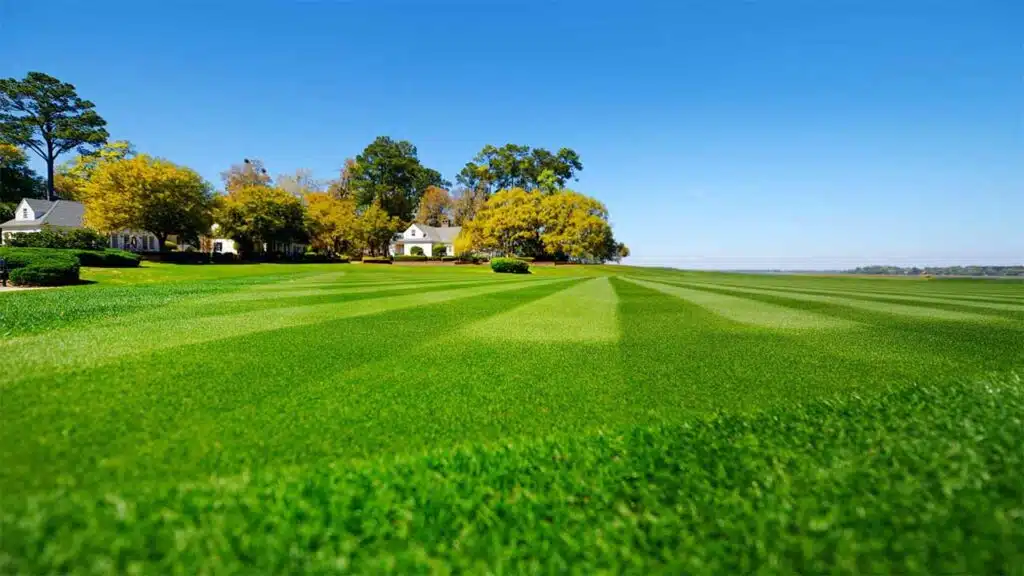
Frequent mowing, over-watering, and the use of chemical fertilizers can degrade soil health over time. A no-mow lawn, on the other hand, encourages healthier soil through natural processes.
Native plants and ground covers typically used in no-mow lawns have deep root systems that help aerate the soil and improve its structure.
This deep rooting also promotes better water retention, reduces soil erosion, and increases organic matter in the soil. In turn, this creates a healthier ecosystem in your yard, supporting beneficial organisms like earthworms, microbes, and fungi that contribute to rich, fertile soil.
Key Benefits:
- Promotes better soil aeration and structure.
- Enhances water retention and reduces erosion.
- Supports a thriving ecosystem of beneficial soil organisms.
5. Increased Biodiversity
A traditional lawn is often a monoculture of grass species that do not support diverse wildlife. By converting your lawn into a no-mow landscape filled with native plants, wildflowers, and ground covers, you can attract a variety of beneficial wildlife to your yard.
Pollinators like bees, butterflies, and birds thrive in environments rich in flowering plants. A no-mow lawn can provide them with food, shelter, and nesting sites, creating a balanced and biodiverse ecosystem.
Encouraging biodiversity in your yard not only enhances the aesthetic appeal of your landscape but also contributes to the health of the environment.
Key Benefits:
- It attracts pollinators like bees, butterflies, and birds.
- Supports a balanced ecosystem with a variety of plants and wildlife.
- Encourages natural pest control through a diverse habitat.
6. Reduction of Air and Noise Pollution
Traditional lawn care practices, particularly mowing, contribute to both air and noise pollution. Gas-powered mowers emit harmful pollutants, including carbon dioxide and other greenhouse gases, that contribute to climate change.
Additionally, the constant noise of mowing disrupts the tranquility of outdoor spaces and can affect neighbors.
Switching to a no-mow lawn eliminates the need for noisy, polluting lawn equipment. This not only reduces your carbon footprint but also contributes to a quieter, more peaceful environment in your community.
Key Benefits:
- Eliminates emissions from gas-powered lawn equipment.
- Reduces noise pollution, creating a quieter environment.
- Contributes to a smaller carbon footprint and a healthier planet.
7. Lower Risk of Lawn Pests
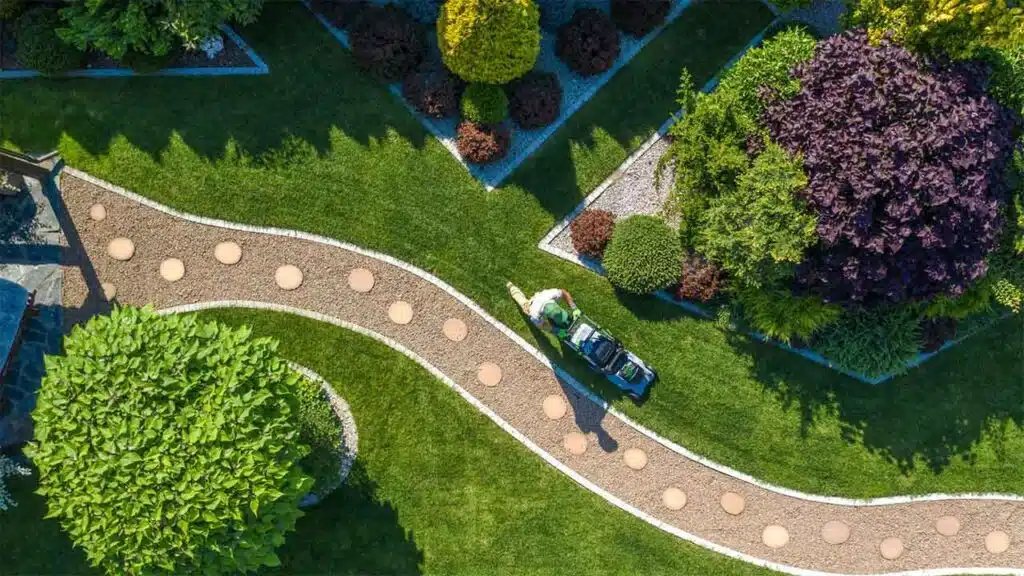
Traditional lawns are often susceptible to pests like grubs, chinch bugs, and other insects that damage grass and require chemical treatments to control.
A no-mow lawn, particularly one filled with native plants and diverse ground covers, is less prone to pest infestations.
Many of the plants used in no-mow lawns have natural pest-repelling properties or attract beneficial insects that act as natural predators to common lawn pests.
This natural pest control method reduces the need for harmful pesticides, making your yard safer for children, pets, and wildlife.
Key Benefits:
- Reduces the likelihood of pest infestations.
- Attracts beneficial insects that act as natural pest control.**
- Minimizes the need for chemical treatments and pesticides.
8. Better Adaptation to Climate Change
As climates continue to change, maintaining traditional lawns can become increasingly difficult and unsustainable.
Frequent droughts, erratic weather patterns, and higher temperatures place additional stress on grass lawns, requiring more water, fertilizers, and care.
No-mow lawns, particularly those composed of native and drought-tolerant plants, are much better adapted to these changing conditions.
These plants are hardy and resilient, able to thrive in a variety of climates with minimal intervention. By transitioning to a no-mow lawn, homeowners can future-proof their landscapes against the impacts of climate change.
Key Benefits:
- Adapts better to changing climates and extreme weather conditions.
- Drought-tolerant plants are less affected by water shortages.
- Reduces dependency on fertilizers and other climate-sensitive lawn treatments.
9. Enhanced Aesthetic Appeal
A no-mow lawn doesn’t have to mean an unkempt or wild appearance. In fact, many no-mow landscapes are carefully designed to create a visually appealing and unique aesthetic.
You can incorporate a mix of low-growing ground covers, ornamental grasses, wildflowers, and native plants to create a diverse and vibrant landscape.
No-mow lawns offer homeowners the chance to get creative with their outdoor spaces, turning their yards into eco-friendly works of art. The variation in texture, color, and height adds depth and interest to the landscape, making it a more attractive and engaging space.
Key Benefits:
- Offers a diverse and creative landscape design.
- Adds visual interest with a mix of plants, colors, and textures.
- Creates a unique, eco-friendly yard that stands out from traditional lawns.
10. Safer for Pets and Children
Traditional lawns, especially those treated with pesticides, fertilizers, and herbicides, can pose risks to children and pets who play on them.
Chemical treatments can leave harmful residues on the grass, which can be ingested or absorbed through the skin.
No-mow lawns, particularly those maintained without the use of chemicals, provide a much safer environment for children and pets. Native plants and ground covers are naturally safe and non-toxic, ensuring that your family can enjoy outdoor spaces without the worry of exposure to harmful substances.
Key Benefits:
- Free from harmful chemicals, making it safer for children and pets.
- Provides a soft, natural surface for play without the risk of chemical exposure.
- Creates a healthier outdoor environment for the whole family.
Conclusion
Transitioning to a no-mow lawn is a sustainable and rewarding choice that benefits both homeowners and the environment. From reducing maintenance efforts and costs to conserving water and promoting biodiversity, the advantages of a no-mow lawn are numerous.
This eco-friendly alternative offers a healthier, more vibrant outdoor space that is both beautiful and functional.
As more people become aware of the environmental impacts of traditional lawns, the trend of no-mow lawns is gaining popularity.
Whether you’re looking to save time, cut down on water usage, or create a safer environment for your family, a no-mow lawn might just be the perfect solution for your yard.
























