

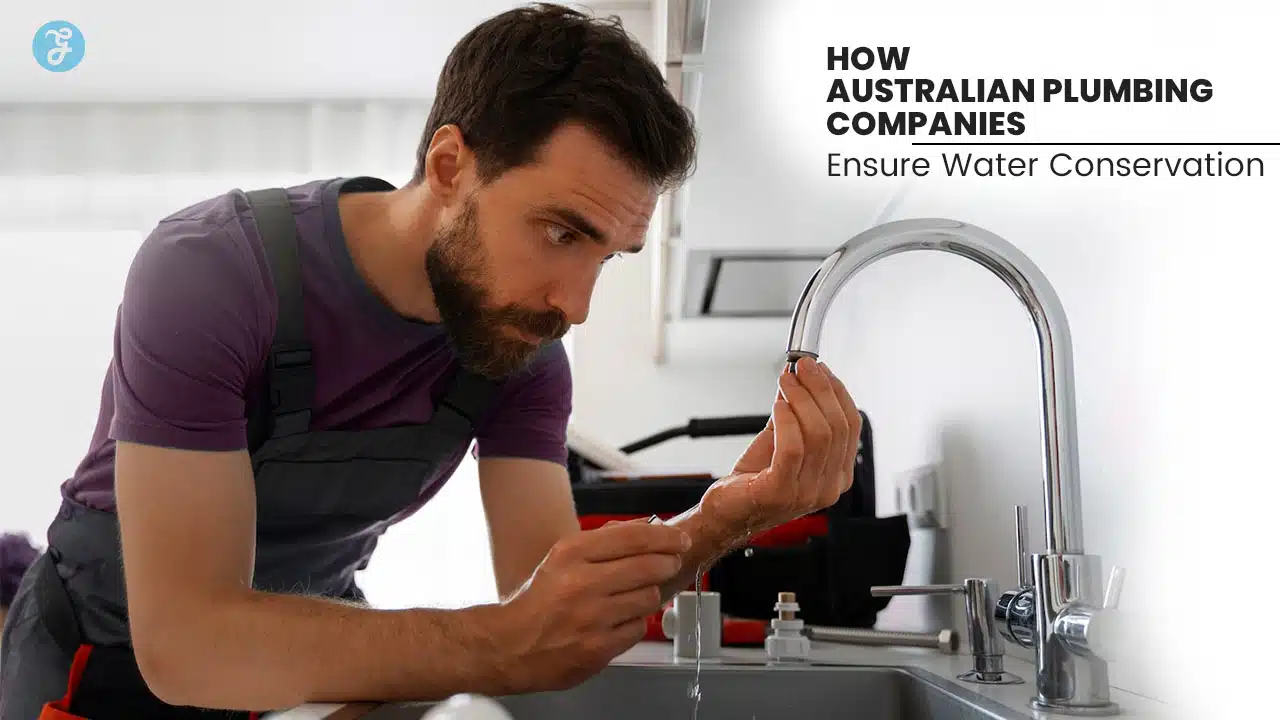
Water is one of Australia’s most precious resources, and its conservation is a critical challenge given the country’s arid climate and frequent droughts. Plumbing companies play a pivotal role in addressing this challenge, integrating innovative technologies and sustainable practices into their services.
Modern plumbing solutions not only reduce water wastage but also encourage households and businesses to adopt water-efficient habits. From installing smart water systems to promoting the use of rainwater harvesting and greywater recycling, Australian plumbing companies are at the forefront of water conservation efforts.
This article explores how Australian plumbing companies ensure water conservation, highlighting the strategies, technologies, and initiatives they employ to protect this invaluable resource.
1. The Importance of Water Conservation in Australia
Water conservation is a critical issue in Australia due to its unique geographical and climatic challenges. As one of the driest inhabited continents in the world, Australia experiences frequent droughts, water shortages, and fluctuating rainfall patterns.
These challenges are exacerbated by climate change, urban development, and population growth, which increase pressure on limited water resources. Effective water conservation is essential not only for supporting agriculture and urban development but also for protecting ecosystems and sustaining biodiversity.
By conserving water, Australians can reduce the impact of water scarcity, minimize costs associated with water usage, and contribute to global sustainability goals. Plumbing companies play a crucial role by introducing innovative technologies and practices that ensure every drop of water is used efficiently.
Key Reasons for Water Conservation:
- Climate Challenges: Australia experiences extreme weather conditions, including droughts.
- Population Growth: Increased demand for water in urban areas.
- Agricultural Needs: Agriculture accounts for a significant share of water usage.
- Sustainability Goals: Aligning with global sustainability and climate change targets.
| Aspect | Impact on Water Resources |
| Droughts | Reduce water availability |
| Urbanization | Increases domestic water demand |
| Agriculture | High dependency on water for irrigation |
2. Role of Plumbing in Sustainable Water Management
Plumbing systems are the backbone of sustainable water management in modern infrastructure. Plumbing companies in Australia are instrumental in reducing water wastage and promoting efficient use through innovative designs, advanced technologies, and maintenance services.
From fixing leaks to installing water-efficient fixtures, these companies ensure that water is conserved at every stage of its use.
In addition to installation and repair services, plumbing professionals educate clients about sustainable practices like rainwater harvesting and greywater recycling. By incorporating these solutions, they help households and businesses significantly reduce their water consumption and environmental footprint.
Plumbing’s Contribution:
- Designing water-efficient pipelines.
- Installing systems to recycle and reuse wastewater.
- Integrating technologies that monitor and manage water usage.
| Plumbing Role | Sustainable Outcome |
| Leak Detection | Prevents water wastage |
| Greywater Recycling | Reduces freshwater dependency |
| Water-Efficient Fixtures | Lowers household water consumption |
3. Smart Water Systems and Their Impact
Smart water systems represent a significant advancement in sustainable water management. These systems leverage IoT, AI, and cloud-based technologies to monitor and optimize water usage.
By providing real-time data, they enable homeowners and businesses to track consumption patterns, detect leaks, and manage irrigation systems efficiently.
Smart water systems also offer automation features, such as scheduling irrigation based on weather forecasts, ensuring optimal water use without human intervention.
With these technologies, plumbing companies are making water conservation accessible, measurable, and effective.
Benefits of Smart Water Systems:
- Real-Time Monitoring: Track water usage and identify wastage immediately.
- Leak Alerts: Notify users of leaks to minimize water loss.
- Sustainability: Reduce unnecessary water usage through automation.
| Smart System | Functionality |
| Smart Meters | Track and analyze water consumption |
| Automated Irrigation | Optimizes watering schedules for gardens |
| App Integration | Allows remote control and monitoring |
4. Rainwater Harvesting Solutions
Rainwater harvesting is a sustainable method of collecting and storing rainwater for non-potable uses such as irrigation, washing cars, and flushing toilets.
In Australia, where water scarcity is a recurring challenge, plumbing companies design and install efficient rainwater harvesting systems that make the most of available rainfall.
These systems consist of gutters, filters, storage tanks, and pumps that work together to provide a steady supply of water. By reducing dependency on municipal water supplies, rainwater harvesting not only conserves water but also lowers utility bills.
Key Features of Rainwater Harvesting Systems:
- Filtration Systems: Remove debris and contaminants from collected water.
- Storage Tanks: Durable tanks in various sizes to store harvested water.
- Pump Systems: Ensure adequate water pressure for distribution.
| Component | Functionality |
| Gutters and Downpipes | Channel rainwater from rooftops |
| Filtration Units | Clean water for safe usage |
| Storage Tanks | Store water for domestic or outdoor use |
5. Greywater Recycling Systems
Greywater recycling is a method of repurposing wastewater from sinks, showers, and laundry for uses such as irrigation and toilet flushing.
Plumbing companies in Australia offer specialized greywater systems that filter and treat wastewater, making it safe and suitable for reuse. These systems are a practical solution for conserving freshwater and reducing overall water demand.
By adopting greywater recycling, households and businesses can cut down their reliance on municipal water supplies while contributing to environmental sustainability. This approach is particularly beneficial in regions prone to droughts or water restrictions.
Benefits of Greywater Recycling:
- Water Savings: Reduces reliance on mains water supply.
- Cost Efficiency: Lowers water bills over time.
- Eco-Friendly: Minimizes wastewater discharge into the environment.
| Component | Purpose |
| Greywater Filter Units | Remove solids and contaminants |
| Storage Tanks | Hold treated greywater |
| Distribution Systems | Supply water for irrigation or flushing |
6. Water-Efficient Fixtures and Appliances
Water-efficient fixtures and appliances are a cornerstone of conservation efforts in Australian households and businesses. These include low-flow taps, dual-flush toilets, water-saving showerheads, and efficient dishwashers.
Plumbing companies ensure the installation of these fixtures, helping customers save water without compromising functionality.
In addition to conserving water, these fixtures lower utility bills and reduce strain on water treatment facilities. By incorporating water-efficient appliances, individuals and organizations contribute to the broader goal of sustainability.
Common Water-Saving Fixtures:
- Low-Flow Faucets: Use aerators to maintain pressure while reducing flow.
- Dual-Flush Toilets: Offer separate flush options for solid and liquid waste.
- Efficient Showerheads: Reduce water flow without compromising on experience.
| Fixture | Water Savings |
| Low-Flow Faucets | Saves up to 30% of water usage |
| Dual-Flush Toilets | Saves 50% more water than traditional toilets |
| Water-Saving Showerheads | Reduces water usage by up to 40% |
7. Detecting and Repairing Leaks Proactively
Leaks are a leading cause of water wastage in homes and commercial buildings. Plumbing companies in Australia use advanced technologies like acoustic sensors, thermal imaging, and smart meters to identify and repair leaks quickly and efficiently.
Proactive leak detection not only saves water but also prevents structural damage and high utility bills.
Regular maintenance and inspections are crucial for early detection, ensuring that leaks are addressed before they escalate into major problems. Plumbing professionals also educate customers on how to spot early signs of leaks, further promoting conservation efforts.
Leak Detection Methods:
- Acoustic Sensors: Detect sound waves caused by leaks.
- Thermal Cameras: Identify temperature changes around leaking pipes.
- Smart Meters: Monitor water flow for anomalies.
| Detection Method | Benefits |
| Acoustic Sensors | Pinpoint underground leaks quickly |
| Thermal Imaging | Detects hidden leaks without invasive methods |
| Regular Inspections | Prevents leaks from escalating |
8. Promoting Public Awareness and Education
Public awareness and education are key components of water conservation efforts in Australia. Plumbing companies actively engage with communities through workshops, social media campaigns, and resource distribution.
These initiatives aim to inform individuals and businesses about sustainable practices and the importance of conserving water.
By educating the public on simple steps such as fixing leaks promptly, using water-efficient fixtures, and adopting greywater recycling, plumbing companies empower communities to play an active role in protecting water resources.
Educational Focus Areas:
- Encouraging the use of water-efficient fixtures.
- Highlighting the importance of fixing leaks promptly.
- Promoting sustainable practices like greywater recycling.
| Activity | Impact |
| Workshops | Teach practical water-saving techniques |
| Social Media Campaigns | Raise awareness on a larger scale |
| Informational Guides | Provide easy-to-implement tips |
Final Thoughts
Australian plumbing companies are leading the way in water conservation by combining innovative technologies, sustainable practices, and public education. From smart systems and greywater recycling to rainwater harvesting and efficient fixtures, these companies are equipping homes and businesses with tools to reduce water waste and protect this vital resource.
As Australia continues to face water scarcity challenges, the role of plumbing companies will remain crucial in shaping a sustainable future.
Through proactive measures and community engagement, they are ensuring that every drop of water counts, contributing to both environmental conservation and economic benefits.
Let me know if you’d like further expansion on any section or additional insights!





















