In the world of luxury and the Simplest Cars Ever Made, where lavish features and high-end tech are the norm, the Mercedes-Benz S-Class stands out. But isn’t there beauty in simplicity?
Post-World War 2, simplicity was the name of the game. Car manufacturers aimed for basic designs, ensuring their vehicles were affordable for the masses. Over the years, as times changed, so did the perspective on simplicity. By the 21st century, simplicity became a sought-after trait, especially for car enthusiasts.
Let’s journey back and rediscover some post-war automobiles, ranging from budget-friendly to thrill-inducing, that championed the art of simplicity.
Citroën 2CV (1948)
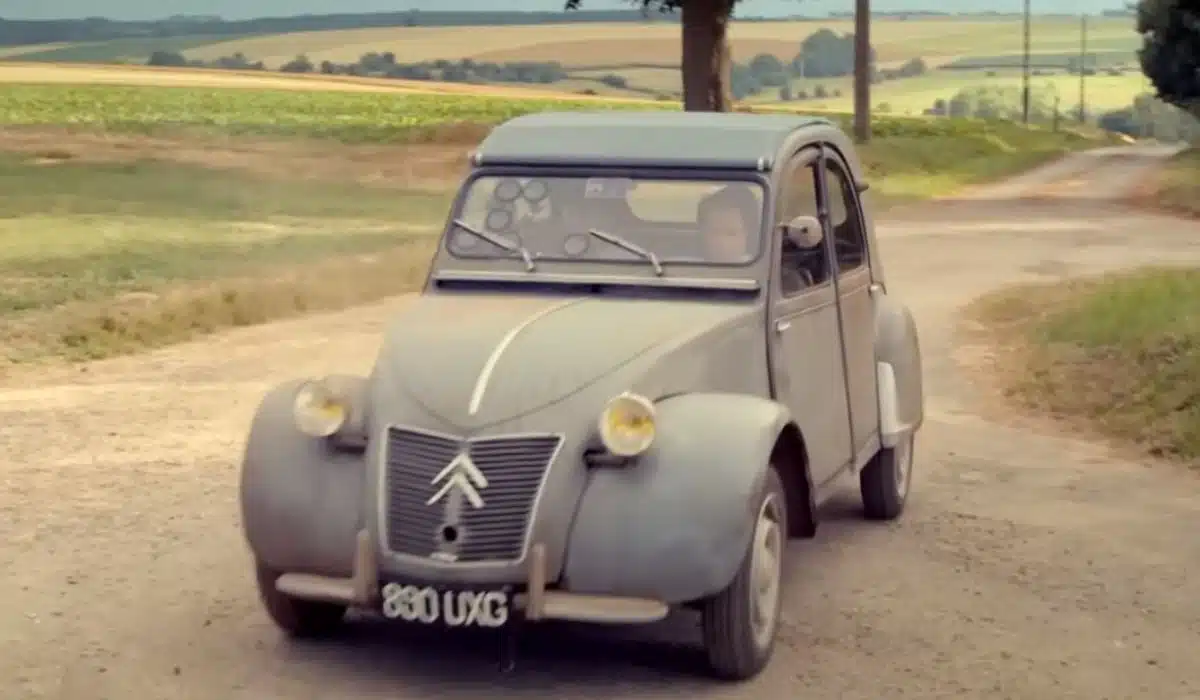
Citroën’s 2CV was the epitome of simplicity, a testament to the company’s dedication to creating an affordable, no-frills vehicle. Imagine this: Pierre-Jules Boulanger, the head honcho at Citroën back in 1938, described his vision for the car as a “four-wheeled bicycle.” He saw it as the perfect replacement for bikes, motorbikes, and even horse carriages.
Read More: World’s Best Sedan Car
Although World War 2 put the brakes on the launch of its precursor, the TPV, the spirit of simplicity lived on in the 2CV, which made its debut in 1948. The early models sported a modest 9bhp engine, a canvas roof that spanned the length of the car, and front windows that, believe it or not, flipped upwards. Why? Well, back in the day, French regulations required drivers to stick their arms out to signal turns. These quirky pivot windows were a cost-effective solution before turning indicators became mainstream. Even as the 2CV eventually adopted indicators, the iconic windows remained a feature until 1990. Oh, and that hole in the grille? It wasn’t just for looks – you could actually fit a starting-handle there if needed!
Chevrolet Corvette (first generation, 1953)
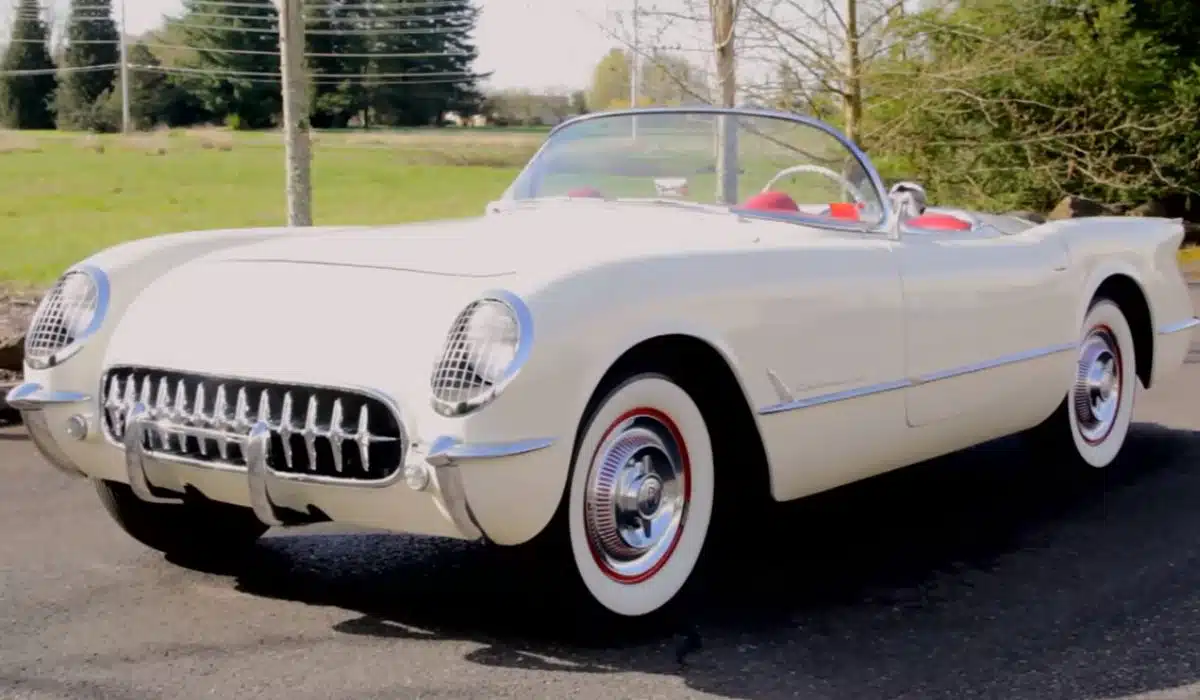
The first-generation Chevrolet Corvette is a real gem – rare, beautiful, and holds a significant value. Underneath its sleek fiberglass exterior, it initially housed the tried-and-true Blue Flame straight-six engine, which Chevrolet had been using for years in various models, even in their pickup trucks. While it originally came with a two-speed automatic transmission, Chevrolet spiced things up later by introducing a V8 engine and a manual transmission to the mix.
Messerschmitt Kabinenroller (1953)
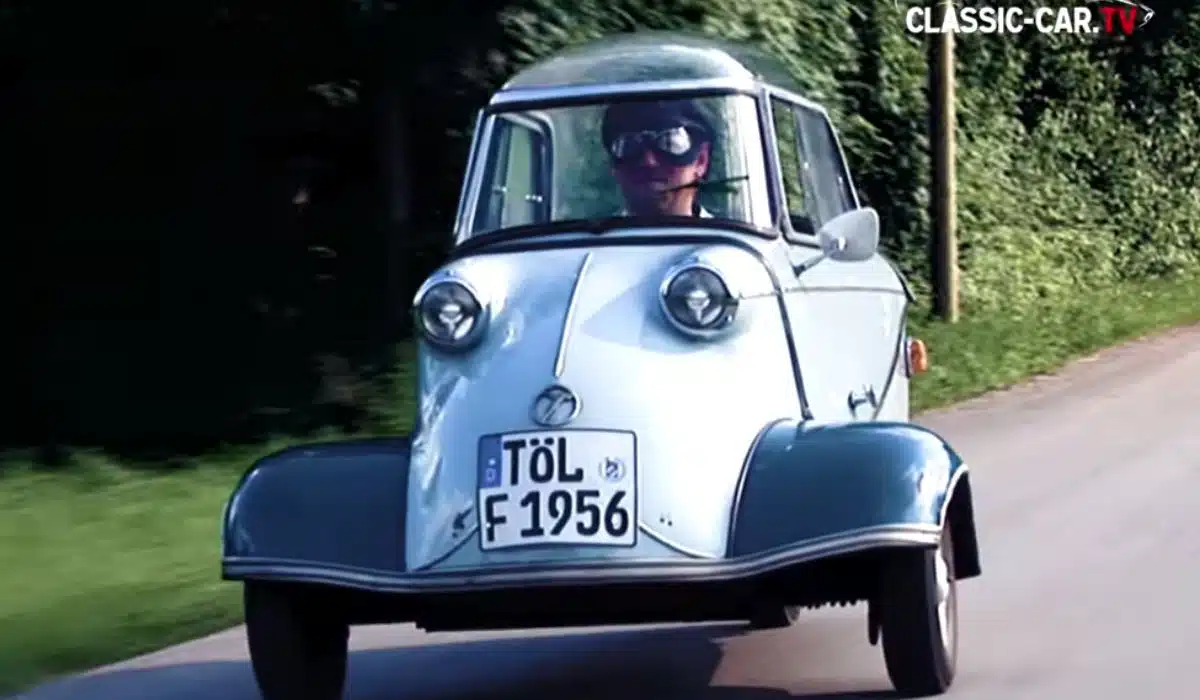
The KR175 and KR200 models by Messerschmitt, with the former showcased in the picture, were quite the unique rides. They featured seating for two in a single line, a clear Plexiglas roof, and just three wheels. As for power, it relied on a basic two-stroke, single-cylinder air-cooled engine. Interestingly, some versions had the driver rev up the engine using a twist grip right on the steering bar. However, by 1964, production came to a halt. Messerschmitt pivoted back to the aerospace sector, and those in the market started leaning towards slightly bigger compact cars.
BMW Isetta (1955)
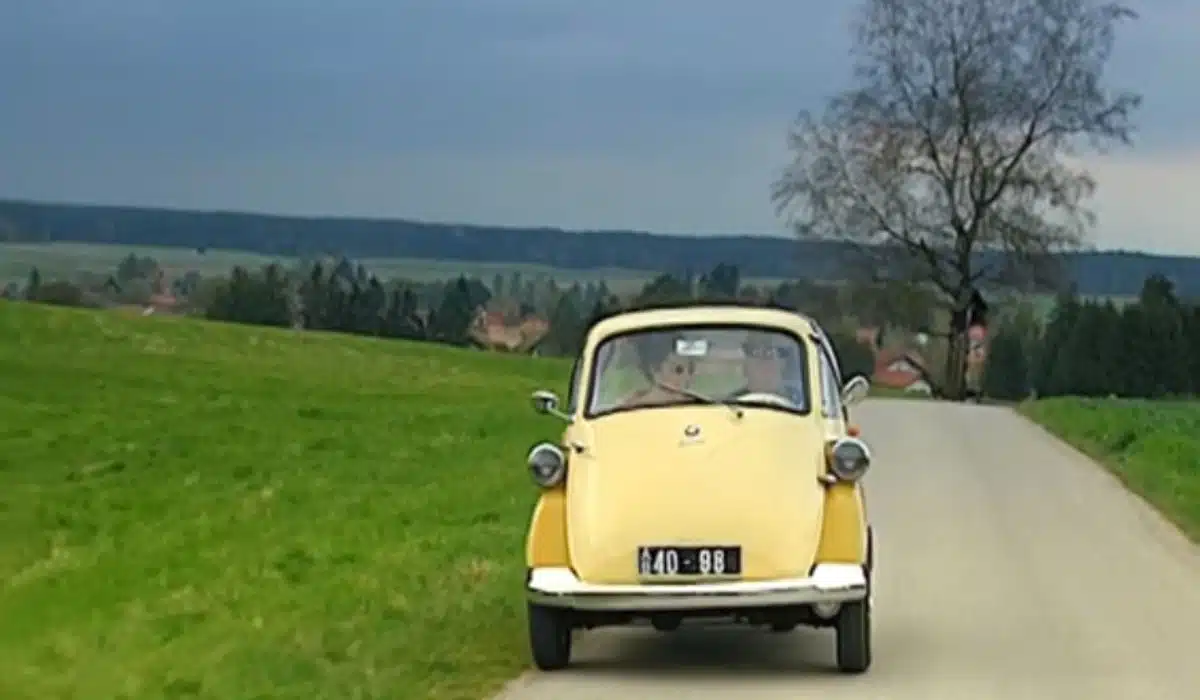
The Isetta, originally crafted by the Italian company Iso, saw its most renowned version developed by BMW in 2020. While BMW retained its iconic design, notably the front-hinged door, they gave it a bit more punch with a 12bhp single-cylinder four-stroke engine, which was borrowed from one of their motorcycles. They didn’t stop there – BMW also spruced up its looks, moving the lights higher up on the front.
Read Also: Best Used Sleeper Car Alternatives
And here’s a fun tidbit: the Isetta was one of those “bubble cars” that made you wonder, “Is it a motorcycle or a car?” In fact, some versions made for the English market sported just three wheels, a clever move to benefit from a lower tax bracket.
Fiat 500 (1957)
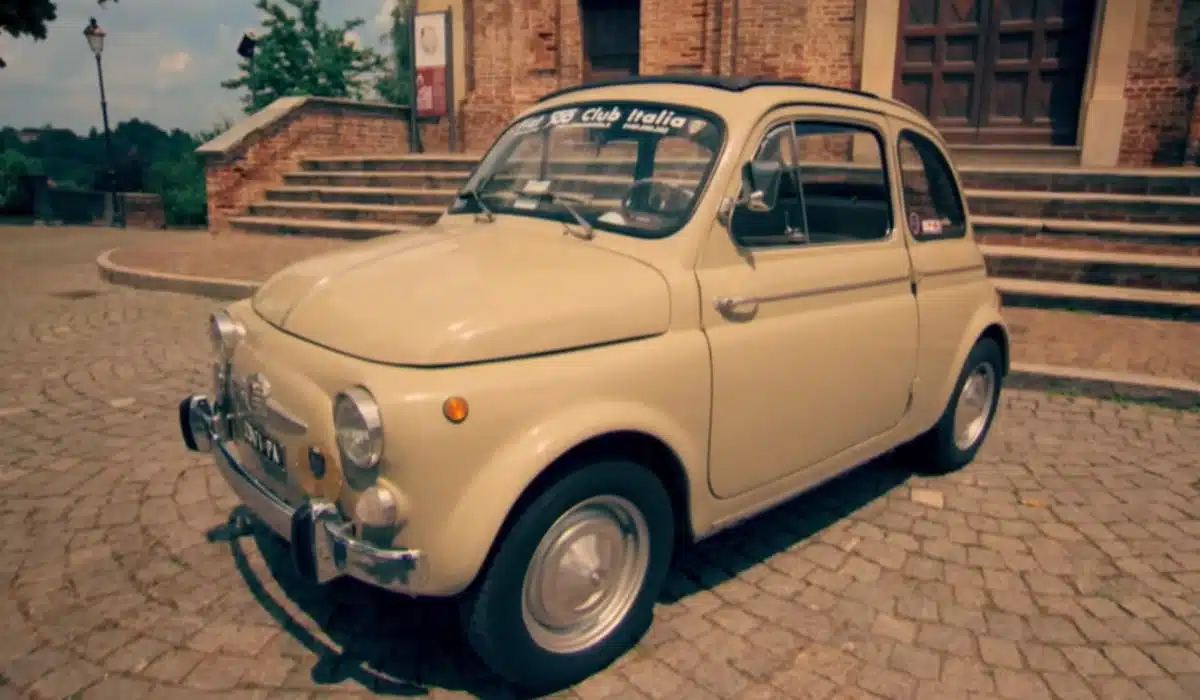
When Fiat set out to design the 500, they had a clear goal: create a vehicle that sat comfortably between a moped and a family car. With weight and cost as top priorities, the legendary engineer Dante Giacosa, who lived from 1905 to 1996, had an innovative idea. Making the 500 front-wheel drive was off the table, so he decided to place the drivetrain right behind the passenger area. This smart move not only cut down on size by removing the need for parts like the driveshaft, but also reduced the weight. Under the hood, Giacosa chose an air-cooled two-cylinder engine, which churned out 13bhp in the initial models. And to further cut costs? He opted for a pull-type starter.
By 1975, production of the 500 came to a halt. But Fiat wasn’t done with simplicity. Its successor, the 126, was straightforward and gained such a loyal following that it continued production in Poland until 2000. And for those curious about how the 500 looked? Check out the photo of the 500R.
Austin Seven/Morris Mini-Minor (1959)
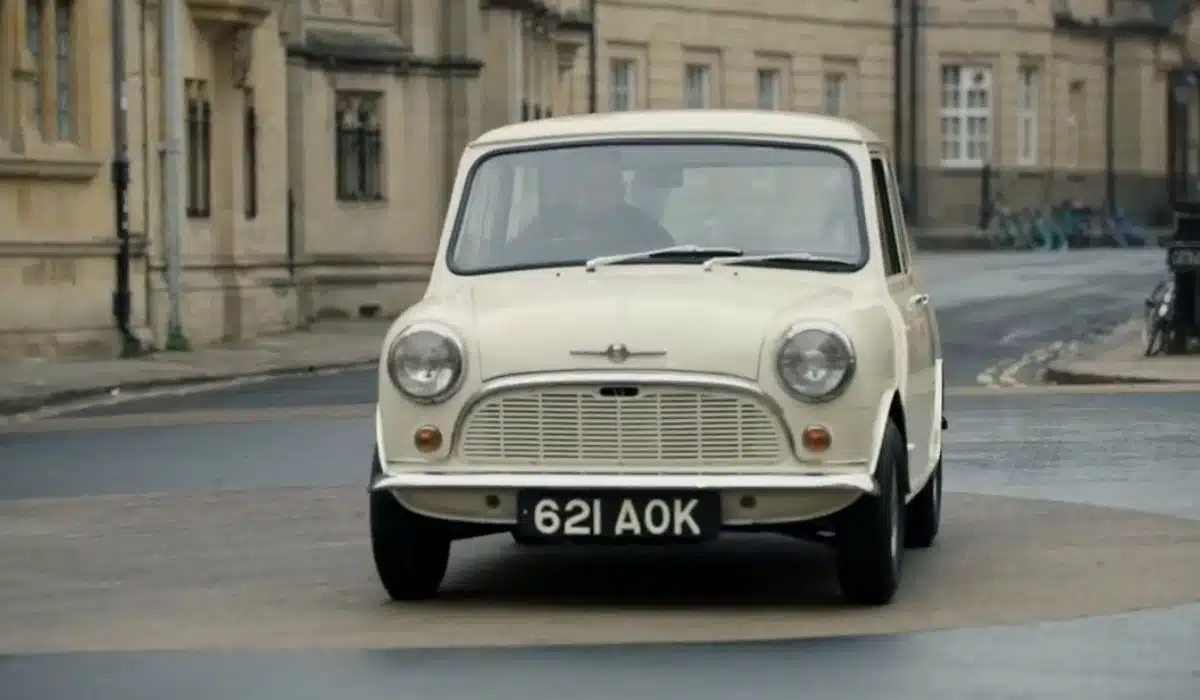
What more can be said about the iconic original Mini? Dreamed up by the visionary Sir Alec Issigonis, who lived between 1906 and 1988, the Mini was a refreshing alternative to the wave of bubble cars popping up in the UK and beyond. Recognizing the appeal of compact cars, Issigonis cleverly designed the Mini by positioning the four-cylinder engine right atop the four-speed manual transmission, rather than placing them side by side. Plus, a nifty touch was having them share the same oil.
Issigonis was all about efficiency. He wanted the Mini to be not just easy to drive, but also straightforward to assemble. That’s why the Mini sports a speedometer smack dab in the center of the dashboard. This clever placement meant there was no need to produce different dashboards for cars depending on which side the steering wheel was on. The beloved Mini’s production sadly wrapped up in 2000.
Renault 4 (1961)
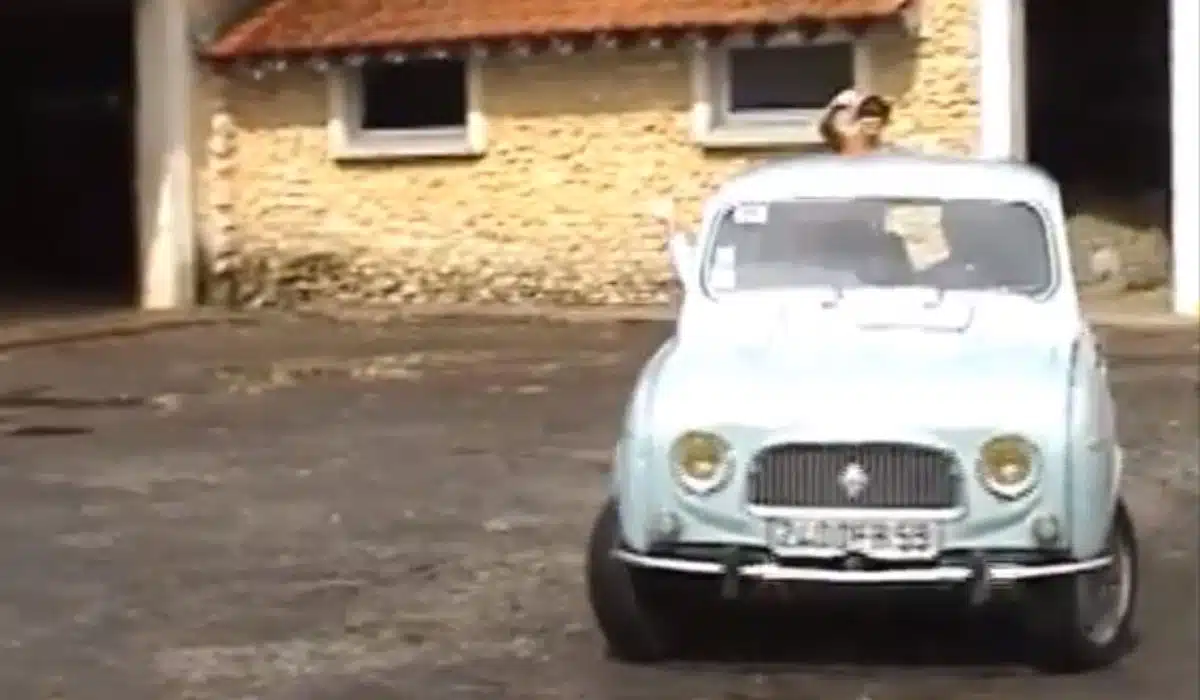
While many liken the Renault 4 to Citroën’s 2CV, they’re actually chalk and cheese in terms of their origin stories. Sure, the 2CV was developed as a step up from basic transportation, but Renault’s chief, Pierre Dreyfus (who lived from 1907 to 1994), had a different vision for the 4. He saw it as the car world’s answer to a pair of jeans: affordable, adaptable, and, most importantly, long-lasting.
Launched in 1961, the Renault 4 was ahead of its time. It sported a spacious hatch and foldable rear seats, features that many of its rivals hadn’t caught onto yet. The car predominantly came with front-wheel drive, though a few four-wheel-drive models were crafted by Sinpar. To keep the design sleek and costs down, it had windows that either slid horizontally or didn’t open at all. And its unique shift linkage – which went through the firewall, over the engine, and into the transmission – was an exercise in cost-effective innovation. Although production ceased in 1994, you can see glimpses of its legacy in the contemporary Kangoo van.
Trabant 601 (1964)
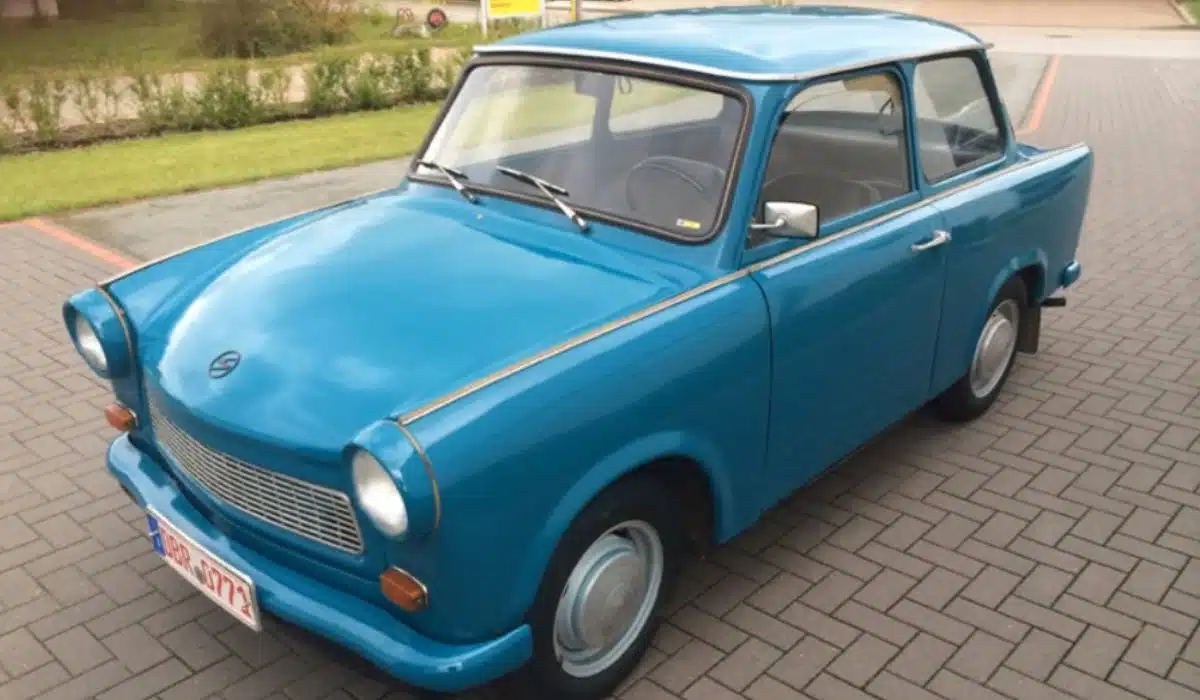
The Trabant 601, intended to succeed the 600, was the go-to budget vehicle for many Eastern European countries. Its simplicity was its hallmark, being the basic choice in the automotive world of the time. Instead of the more modern four-stroke engines, it ran on a straightforward two-stroke, two-cylinder engine. Its body panels? Crafted from Duroplast. But in 1990, there was a shift. The Trabant was upgraded to include a 1.1-litre four-stroke four-cylinder engine, borrowed from the Volkswagen Polo.
Interestingly, 1990 was also the year Germany reunited. With this reunification, East Germans found themselves able to exchange their former currency for West German marks—and at quite a favorable rate. Many promptly hit the dealerships, snapping up VW Golfs. This surge in new purchases left the Trabant in the dust, causing sales to plummet and leading to the end of its production in 1991.
Porsche 914 (1969)
AMC Gremlin (1970)
The 1970s in the U.S. didn’t see many cars that fit the “basic” tag, but the AMC Gremlin surely came close. Designed as an answer to the economical cars pouring in from Europe and Asia, AMC’s goal was clear: keep the price tag attractive.
Launched on April 1, 1970, and borrowing some of its design from the Hornet, the Gremlin kept things simple. It came with just two seats as standard. If you needed to fit in a third person, you’d have to shell out a bit more for an additional folding rear seat. Unfortunately, this two-door model didn’t quite resonate with consumers – with only 872 units sold in 1970, AMC decided to pull the plug on it after the 1971 model year.