

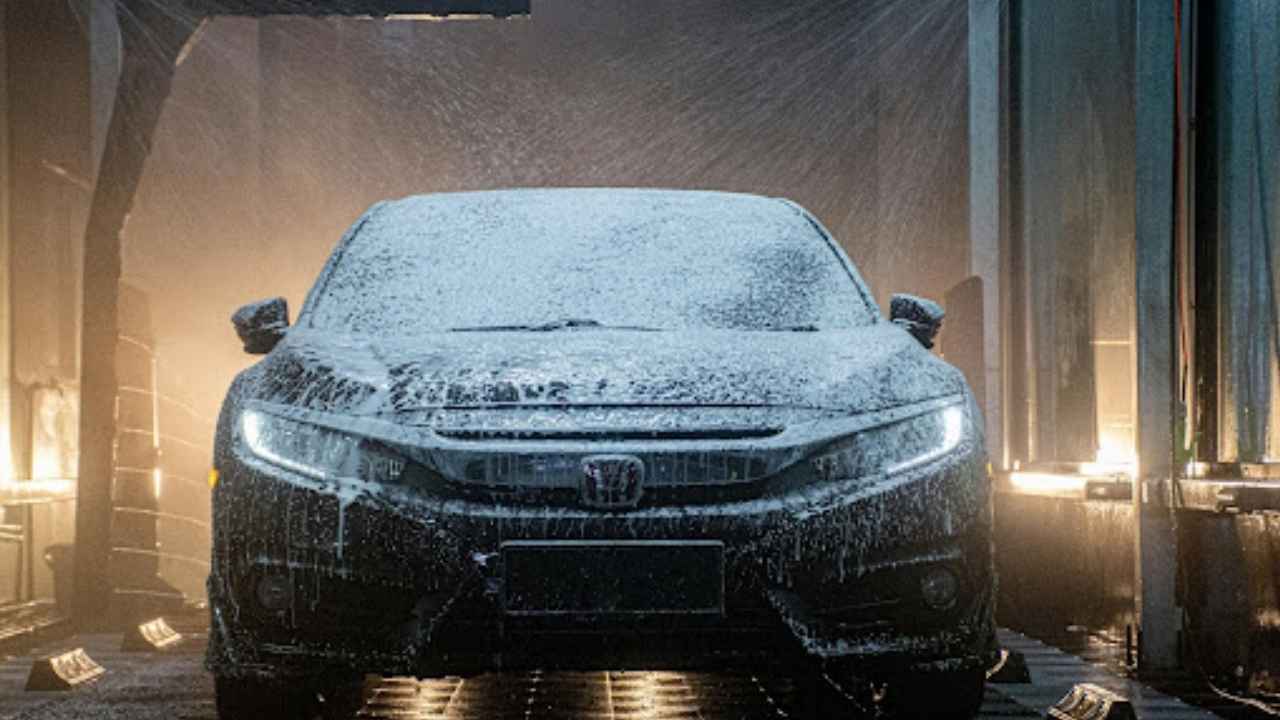
The car wash equipment sector is the unseen cog that keeps our vehicles looking spick and span. While shiny exteriors capture our attention, it’s the durable machines behind the scenes that ensure this visual delight. Longevity in this sector isn’t just desirable; it’s a distinguishing feature that sets successful businesses apart. To remain competitive, companies must prioritize durability, embrace regular maintenance, and foster innovation.
The Importance of Investing in Durability
When it comes to car wash equipment, durability is a non-negotiable factor. Machines crafted from robust materials are less prone to damage from constant exposure to water, chemicals, and physical friction. Equipment that can withstand the test of time not only reduces operational costs but also ensures consistent customer satisfaction. Making decisions based purely on initial cost can lead to frequent machine breakdowns, compromising service quality. Instead, businesses should focus on substantial investment in reliable equipment to avoid frequent repairs and replacements.
Moreover, high-quality materials reduce the frequency of replacement parts, which can often be costly and hard to source. Opting for durable equipment enhances a company’s reputation as a reliable service provider. Customers and clients appreciate the assurance that their vehicle will be attended to by robust machinery designed to preserve the appearance and value of their car. Building a brand synonymous with durability and reliability can attract a broader customer base.
For businesses looking to enhance their car wash operations through equipment installation and consistent service, exploring options like Chicago car wash installation can be beneficial. Ensuring that all machinery is installed and maintained by experienced professionals contributes to the long-term performance and efficiency of the equipment.
Incentivizing Innovation Without Riding Fads
Innovation in the car wash equipment sector often translates into improved results. However, businesses must approach new technology judiciously. The industry is rife with passing fads that promise much but deliver little. Firms should invest in innovations that offer proven improvements, such as more precise chemical dispensers and energy-efficient dryers. The integration of reliable technological advancements fosters customer confidence, thereby driving repeat business and building a loyal customer base.
When assessing future technologies, companies should focus not only on their potential to enhance performance but also on their compatibility with existing systems. Thoughtful implementation of innovations facilitates smoother transitions and reduces the risk of operational disruptions. Furthermore, companies that invest in research and development can identify trends with long-term value, positioning themselves as leaders in offering superior service.
Regular Maintenance: The Heartbeat of Longevity
Routine maintenance is the undisputed champion of extending equipment lifespan. Ignoring slight wear and tear can quickly escalate to significant issues that hinder daily operations. Regular inspections and timely repairs keep equipment in top condition while minimizing downtime. Maintenance schedules should be strictly adhered to, with checks covering critical components like pumps, nozzles, and conveyor systems. A proactive approach to maintenance is one of the best defense mechanisms against unexpected failures.
Engaging skilled technicians for regular check-ups ensures that even the smallest irregularities are corrected before they can evolve into serious malfunctions. Incorporating modern diagnostic tools during these assessments can provide key insights into equipment health, further streamlining maintenance efforts. Moreover, maintenance routines instill a culture of professionalism, where both staff and equipment are consistently held to high standards.
The Human Factor in Machine Longevity
While an often-overlooked aspect, the role human operators play in equipment longevity is vital. Proper training ensures that staff members handle machinery correctly, avoiding unnecessary strain and potential damage. Businesses should invest in training programs that emphasize correct operation techniques, troubleshooting skills, and routine maintenance tasks. An informed workforce not only operates equipment effectively but also identifies early signs of malfunction, mitigating further damage.
Training should extend beyond basic operational procedures to include safety protocols and performance optimization. Empowering employees through ongoing education emphasizes their value within the business and fosters a sense of responsibility towards maintaining high standards of service. This dedication translates into superior customer interactions and elevated risk management, crucial for sustained growth and safety compliance.
Sustainability: The Long View
The car wash industry is increasingly cognizant of its environmental impact. Eco-friendly practices are not just gaining ground; they’re becoming imperative. Equipment designed for water conservation and recycling contributes to both sustainability and cost savings. Furthermore, adopting biodegradable cleaning chemicals can protect machines from corrosive damage. Forward-thinking businesses that adopt such sustainable practices are likely to thrive, gaining favor with environmentally conscious consumers.
Revamping the water usage protocols to prioritize conservation efforts exemplifies a commitment to safeguarding resources for future generations. Embracing solar power options and exploring alternative energy sources ensures equipment is not only low-impact but also cost-effective in the long run. These practices reflect a holistic understanding of sustainability, where environmental responsibility aligns seamlessly with business goals.
Final Thoughts
In the race to ensure longevity in the car wash equipment sector, the equation is straightforward: prioritize quality and maintenance, embrace proven innovation, and foster responsible practices. As businesses navigate an industry loaded with challenges, those that wisely invest in their machines and value their workforce will solidify their place in the market. The age-old adage stands true—last to pass the finish line demonstrates one’s value, not the first to crack under pressure.
























