Listen to the Podcast:
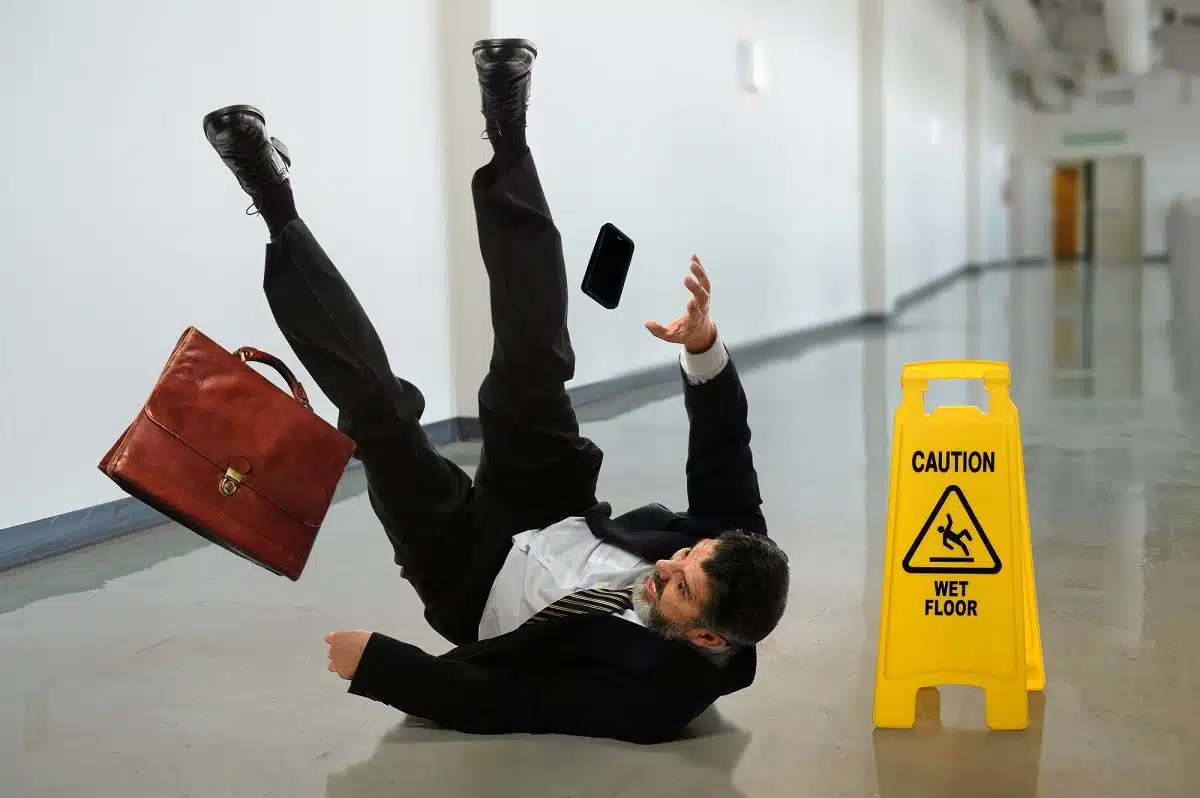
Slip and fall accidents are unpredictable and can happen to anybody anytime, anywhere. As a result, these accidents are extremely dangerous and can result in serious injuries ranging from minor bruises to broken bones or even deaths.
According to the National Safety Council, slip and fall are the 6th most likely cause of death.
It doesn’t matter whether it’s a workplace or home; slip and fall accidents can occur in any setting, this includes supermarkets, parks, malls, schools, hospitals, etc.
But these accidents are preventable, and the best way to do so is by performing floor slip resistance testing or slip testing in short.
With slip testing, experts identify potential slip hazards and take steps to prevent them.
This article will discuss the common causes of slip and fall accidents and how slip testing can help prevent them.
What are the common causes of slip and fall accidents?
Workplace safety violations can occur for various reasons, and a combination of factors often causes them. Workers may not have adequate training in hazardous procedures. Also, insufficient supervision on the construction site can result in workers taking shortcuts or neglecting safety measures.
A slip and fall lawyer can help injured workers by assessing employer negligence and gathering evidence to support the worker’s claim. The attorney negotiates with the insurance company and represents the worker in court if necessary, and they can also assist with resolving workplace disputes arising from the injury.
Below are the common causes of slip and fall accidents.
-
Wet or slippery surfaces
Out of many, one of the most common causes of slip and fall accidents is wet or slippery surfaces. Spills, leaks, and rainwater can be the reason for this.
Improper cleaning or poor maintenance of the surfaces can also make them slippery over time. These slippery surfaces become really hazardous in areas where people walk or run, such as stairs, hallways, or entryways.
-
Poor lighting conditions
Due to insufficient lighting, people may not be able to see obstacles and hazards on the surface and may slip, trip, or fall. Poor lighting can also be a problem with uneven surfaces or elevation changes.
-
Uneven surfaces
Chances of slip and fall accidents increase on uneven surfaces like stairs, ramps, etc. Especially people with mobility impairments and people with difficulty navigating are more prone to these accidents.
-
Loose or worn flooring
Loose or worn flooring can also cause slip-and-fall accidents. For example, people walking on loose tiles or floorboards may lose their balance and fall. In addition, worn floors become slick over time and cause people to slip.
-
Spillages of liquids and foods
Spillages are a common cause of slip-and-fall accidents in places like food services areas. These spillages make the surface slick and risky for people to walk on. When these spillages are not cleaned up promptly, they can become more difficult to clean and worsen.
-
Loose rugs and mats
Mats that are not properly secured can slide out from underfoot and cause people to lose their balance. Frayed or torn rugs can also create tripping hazards.
How can slip testing help prevent slip and fall accidents?
With the help of floor slip resistance testing, we can identify potential slip hazards before they cause any harm to people or become a financial liability.
In slip testing, the coefficient of friction (COF) is measured, which tells how slippery a surface is.
Low COF means the surface is more likely to be slippery and may cause more slip-and-fall accidents than surfaces with high COF.
Professionals use various slip testing methods such as pendulum test, drag sled test, oil/wet ramp test, etc. All these methods are used to measure the COF of a surface in different ways, and all the methods are useful in providing valuable information about the slip resistance of a surface.
After testing the surface, appropriate measures can be taken to improve its slip resistance. The measures suggested by the expert may include cleaning the surface, applying slip-resistant coatings, replacing worn or damaged flooring, installing additional lighting or warning signs, etc.
Importance of regular slip testing
Regular slip testing at workplaces and industries is important in preventing slip and fall accidents and maintaining safe surfaces. Due to wear and tear, exposure to the elements, and the buildup of dirt and debris, surfaces become more slippery over time.
Regular slip testing can help you identify the changes in slip resistance, which allow you to take corrective measures to reduce slip hazards.
The frequency of slip testing may depend on foot traffic and the type of surface being tested. For example, high-traffic areas and areas with many spillages may require more frequent slip testing than low-traffic areas. Additionally, surfaces exposed to moisture, such as swimming pool decks or public bathrooms, may also require more frequent slip testing to ensure they remain slip-resistant.
General Workplace Safety Considerations
Tight deadlines and project timelines may pressure workers and management to prioritize speed over safety. Insufficient allocation of resources, such as tools, equipment, and safety gear, can contribute to the problem.
Failure to adapt to changing weather conditions and implement appropriate safety measures can also result in violations.
Enforcing safety regulations and consequences for violations, prioritizing safety over cost-cutting measures, and fostering a culture of safety awareness is crucial for prevention.
Regular inspections, hazard assessments, and clear communication channels for reporting safety concerns are essential to maintaining a safe construction environment.
Addressing these factors can help reduce safety violations and promote a safer working environment for personnel.
Conclusion
Slip and fall accidents are not only costly but can also be fatal. However, regular slip testing and other preventative measures can prevent slip and fall accidents.
By identifying potential hazards and taking steps to improve slip resistance, businesses, and property owners can help ensure the safety of their employees as well as save themselves from any financial liability.