

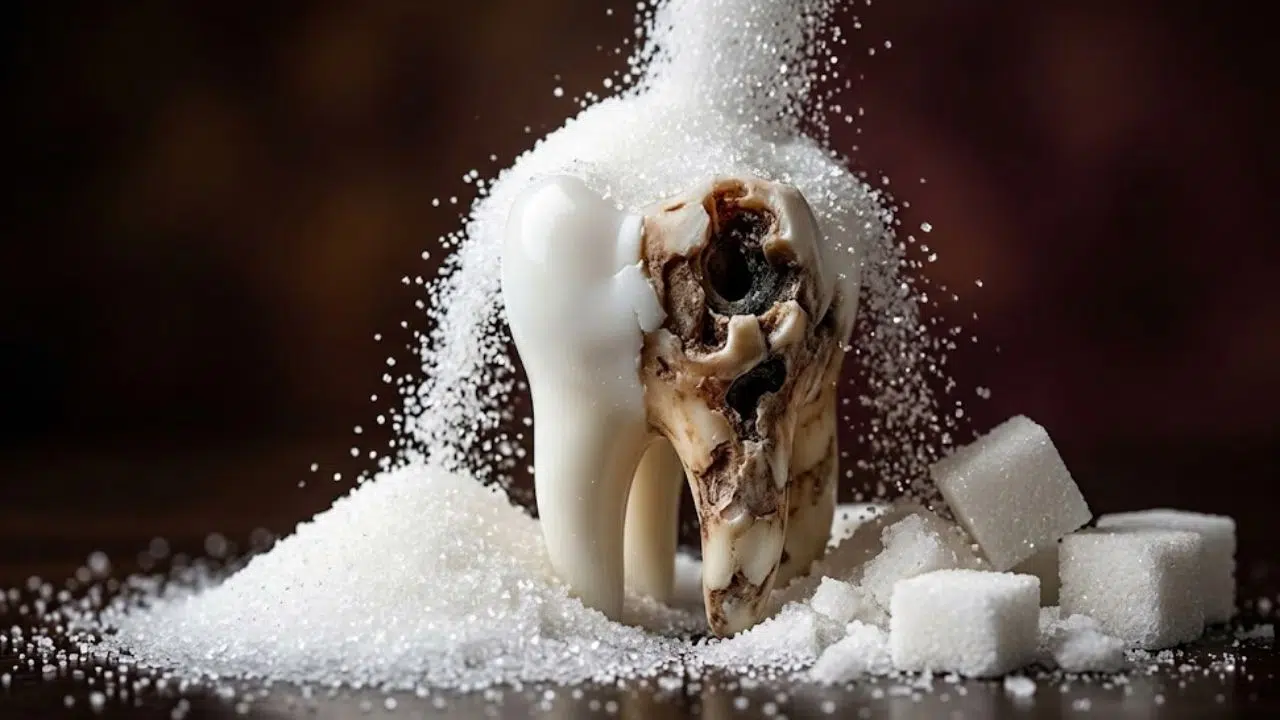
Sugar is a source of energy that triggers the release of dopamine in the body. However, it poses a major threat to dental health. Since microorganisms easily metabolize simple carbohydrates, bacteria multiply very rapidly. Their metabolic activity erodes tooth enamel and leads to cavities. In this article, we explain why excessive sugar consumption causes tooth decay and how to strike a balance between enjoyment and health. By following these tips and seeking timely tooth decay treatment in NYC, you can protect the natural beauty of your smile.
Why Sugar Is the Primary Food Source for Bacteria
Harmful microorganisms inhabiting the mouth feed on both simple and complex carbohydrates. However, simple carbohydrates stimulate the growth of aggressive bacteria most rapidly. Sugar falls into this category. Bacteria quickly break it down and metabolize it, obtaining a source of readily available energy. This fuels their rapid reproduction and the expansion of bacterial colonies within dental plaque.
How Bacteria Process Sugar
Streptococcus mutans and Lactobacillus bacteria are part of the mouth’s natural microflora. They even perform certain beneficial functions, such as competing with harmful microbes and suppressing fungi and inflammation in the gastrointestinal tract or on the gums. However, it is their heightened activity and uncontrolled proliferation that pose a threat to dental health. Here is how the process unfolds, from sugar consumption to tooth decay:
- As soon as you eat something sweet, bacteria get a supply of simple carbohydrates and quickly consume them.
- They break down the sugar using enzymes and release lactic, acetic, and propionic acids.
- Some of the sucrose is used to synthesize sticky polymers that form dental plaque, or biofilm. This plaque acts as a robust shield for the bacteria.
- The biofilm anchors the bacteria firmly to the tooth enamel, preventing them from being washed away by saliva, mouthwashes, or antiseptics.
- Biofilm also traps acid on teeth and causes minerals to leach from tooth enamel.
- The loss of calcium and phosphorus from tooth tissue reduces enamel strength. This can rapidly progress to tooth decay, potentially reaching the deeper layers of dentin.
How to Minimize the Harmful Effects of Sugar Consumption
Many people know the damage sugary foods can do to teeth. However, few are willing to give up candy, pastries, syrups, and other sweet treats completely. Fortunately, several tricks can help protect your teeth, even if you love sweets.
- Avoid snacking on sweets throughout the day. Some people think that limiting sugar simply means eating small amounts of cakes, honey, or candy. They might eat a single piece of chocolate candy every few hours. In reality, this is a bad choice for your teeth, because bacteria get a fresh supply of food every time you put a piece of chocolate in your mouth. That is why dentists advise eating a larger amount of sweets all at once rather than stretching it out over the day and consuming small portions repeatedly.
- Rinse away carbohydrate residue from your teeth. There are several ways to remove the carbohydrates left on your teeth, such as drinking water after eating sweets, or at least rinsing your mouth. Alternatively, you can stimulate saliva production by chewing sugar-free gum.
- Brush and floss your teeth. Unlike rinsing with water, don’t do this immediately after eating sweets. Bacteria turn the oral environment acidic within several minutes after sugary food enters the mouth. Tooth enamel softens under the influence of acid. If you brush immediately, you can damage the softened enamel. So, it is better to rinse your mouth with plain water first and wait half an hour after eating sweets before brushing.
- Avoid prolonged contact between sugar and your teeth. For example, sipping sugary drinks slowly is a bad habit; it is better to drink them in large gulps or use a straw.
- Stick to recommended sugar intake limits. Experts consider the maximum permissible amount of added sugar to be 6 teaspoons per day. When accounting for sugar found in other foods, the limit rises to 50 g or 12 teaspoons.
- Choose sweets that do not linger on the tooth surface. Conversely, avoid sticky treats such as toffee, caramel, or hard candies.
The Importance of Preventive Dental Check-ups
If you have a sweet tooth, dentists consider you at high risk for developing cavities. However, preventive dental check-ups allow for the early detection of developing tooth decay and enable timely treatment. In addition, the dentist will perform a series of professional procedures that go beyond routine personal oral hygiene. The preventive measures listed below are especially valuable because they address both major factors behind sugar-related tooth decay: bacterial buildup and enamel demineralization.
- Professional teeth cleaning removes hardened tartar, dense plaque, and soft deposits from the teeth. This procedure breaks down the protective biofilms that render bacteria resistant to daily brushing. Reducing the bacterial load is essential not only to prevent cavities but also to stop gum inflammation. As a result, breath becomes clean and fresh, and teeth regain their natural whiteness and smoothness.
- In-office tooth remineralization replenishes minerals lost from the enamel. Dentists apply special therapeutic agents containing active minerals to the teeth. Using professional-grade gels, varnishes, or solutions, they restore active minerals, such as calcium, phosphorus, magnesium, and fluoride.
- Detecting hidden cavities in hard-to-reach areas allows for a quick resolution of dental problems. Cavities located between teeth or beneath old fillings are often invisible to patients. Usually, they become aware of these issues only when more severe symptoms, such as pain, arise. Detecting hidden cavities during a routine check-up minimizes the invasiveness of the procedures required to restore dental health.
The Bottom Line
A love for sugar is shared not only by humans but also by the harmful microorganisms living in their mouths. Keeping these facts in mind, take steps to remove carbohydrate residue after consuming sugary foods. This will minimize damage and lower the risk of developing cavities. Additionally, undergo preventive treatment to reduce bacterial populations. This is the best way to protect yourself against tooth decay if you cannot resist sweets.