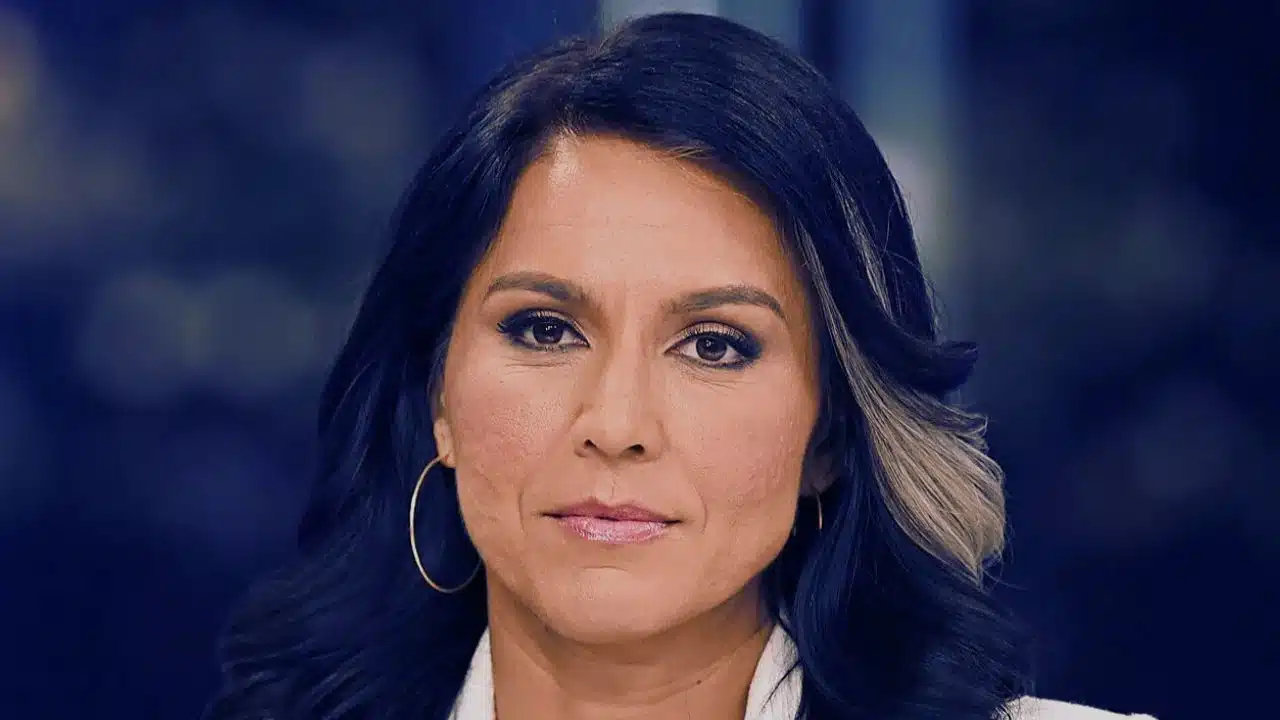
Director of National Intelligence Tulsi Gabbard has taken one of the most dramatic steps in recent years within the U.S. intelligence community. On August 19, 2025, she ordered the revocation of security clearances for 37 current and former national security officials. The decision was revealed through a memo obtained by multiple outlets and later confirmed publicly by Gabbard herself in a post on X, formerly known as Twitter.
The revocations target individuals who worked across various government agencies and intelligence bodies. Many of them were previously involved in assessments concerning Russia’s interference in the 2016 presidential election or had connections to President Joe Biden’s National Security Council. While not all were widely recognized figures, the move nonetheless sent shockwaves through Washington because of its scale and potential consequences for the future of intelligence oversight.
Allegations of Politicization and Misuse of Intelligence
In her directive, Gabbard accused the affected officials of behaviors that undermined national security priorities. According to the DNI memo, these individuals were said to have engaged in the politicization or weaponization of intelligence—using information not strictly for objective analysis, but allegedly to advance personal, partisan, or institutional agendas.
The memo also alleged failures in protecting classified information and claimed that some officials had shown deficiencies in professional tradecraft, including lapses in analytic standards that underpin intelligence assessments.
However, what stood out most was that the memo did not provide specific evidence of misconduct. This absence of detailed findings has fueled criticism that the revocations were politically motivated rather than rooted in documented violations.
Who Was Affected?
The revocations reportedly included career intelligence professionals and senior advisors who played roles in shaping U.S. assessments of Russian election interference.
Some of those impacted were contributors to the landmark 2017 Intelligence Community Assessment, which concluded that Russia interfered in the 2016 election with a preference for Donald Trump. Others had served in the Obama and Biden administrations, including members of the National Security Council responsible for overseeing intelligence operations.
Names that surfaced in reporting include Stephanie O’Sullivan, a former principal deputy director of national intelligence; Shelby Pierson, who once led efforts on election security; and Maher Bitar, a senior figure in national security legal matters. In addition, several mid-level analysts and officials who shaped assessments of Russia’s cyber activities and propaganda campaigns were also included.
It remains unclear whether all of them still held active clearances at the time of the announcement. Some had already left government service and were working in think tanks, private industry, or academia, where retaining a clearance often enhances career opportunities.
A Pattern of Targeting Russia Investigators
This decision aligns with a broader campaign by the Trump administration to discredit or punish those who contributed to the narrative of Russian interference in 2016. Since returning to power, Trump and his allies have intensified efforts to challenge the intelligence community’s conclusions about Moscow’s intentions.
Earlier in 2025, Gabbard released a set of declassified documents that she argued proved a “conspiracy” by Obama-era officials to manufacture intelligence against Trump. She even issued criminal referrals to the Justice Department, naming former President Barack Obama among others.
Simultaneously, CIA Director John Ratcliffe ordered his own review of the 2017 assessment, which was highly critical of its findings. This was followed by referrals of former officials to federal prosecutors, triggering FBI investigations into claims that intelligence had been manipulated. Attorney General Pam Bondi later expanded these efforts by convening a grand jury inquiry into whether the Obama administration deliberately constructed false intelligence.
Critics Call the Move Politically Motivated
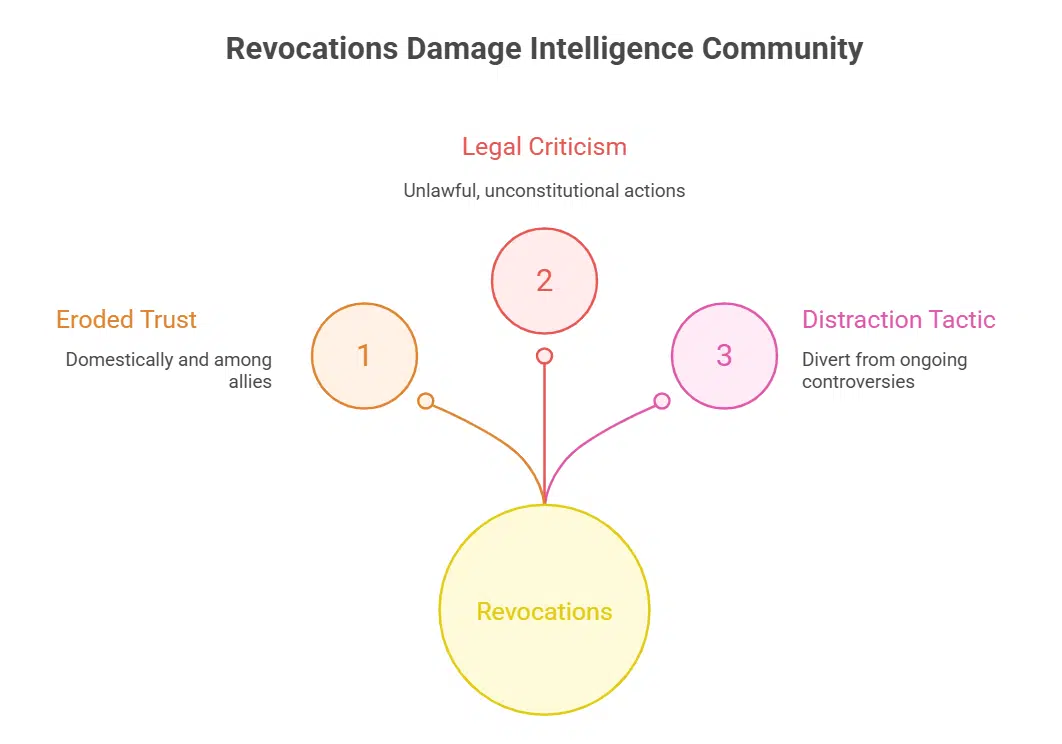
The sweeping revocations drew sharp criticism from legal experts, former intelligence officials, and opposition lawmakers. Critics argued that instead of depoliticizing intelligence, Gabbard and the Trump administration were weaponizing the clearance system to penalize political opponents and silence critics.
National security attorneys have emphasized that revoking clearances without documented evidence undermines decades of established procedures designed to protect due process and shield intelligence professionals from political retaliation. One prominent lawyer, Mark Zaid, whose own clearance was previously targeted under Trump, described the actions as unlawful, unconstitutional, and reminiscent of Cold War-era loyalty purges.
Democratic lawmakers also voiced concerns that these moves are intended not only to rewrite the history of Russian election interference but also to distract from ongoing controversies, including investigations linked to Jeffrey Epstein’s network. They warned that such politically driven actions could have long-lasting damage on America’s intelligence community, eroding trust both domestically and among allied intelligence services abroad.
Misrepresentation of Intelligence Findings
A significant part of the controversy stems from how Gabbard and her allies have framed past intelligence assessments. For example, she has highlighted reports from 2016 that noted Russia did not succeed in altering votes through cyberattacks. While this is accurate, she used these points to suggest that the intelligence community had exaggerated or fabricated the overall narrative of Russian interference.
In reality, the intelligence agencies never claimed that votes were changed. Instead, their conclusion was that Russia engaged in widespread operations—ranging from disinformation campaigns on social media to attempted intrusions into state voting infrastructure—with the goal of influencing public opinion and undermining confidence in U.S. democracy.
Furthermore, Gabbard released a House Intelligence Committee report authored by Republicans that questioned the strength of evidence behind the finding that Vladimir Putin preferred Trump over Hillary Clinton. Yet, even that report did not argue that interference itself was fabricated. By presenting these documents selectively, Gabbard has been accused of distorting the intelligence record to support her narrative.
Professional and Career Impacts
Losing a security clearance can have serious professional consequences, particularly for former officials who move into the private sector or work with contractors requiring classified access. Without clearances, many of the affected individuals may face restrictions on their ability to contribute to national security projects, advisory boards, or consulting roles.
Some of those impacted only learned of their clearance revocations when the news broke publicly, raising concerns about due process and transparency. Reports suggest that several individuals are now considering legal challenges, potentially setting up a constitutional clash over the limits of executive power in clearance decisions.
Next Steps and Broader Implications
The Justice Department has already formed a strike force to review the validity of Gabbard’s claims and investigate the officials she targeted. At the same time, members of Congress are weighing proposals to strengthen legal protections that would prevent security clearances from being used as a political tool.
Meanwhile, the intelligence community faces a morale crisis. Current employees may now fear that their work could be scrutinized or punished if it is seen as politically inconvenient. Analysts warn this could discourage objective intelligence assessments, undermining national security by pushing officials to prioritize political loyalty over professional integrity.