In what experts are calling the largest password leak in internet history, a staggering 16 billion login credentials have been exposed online. The leak includes usernames and passwords linked to some of the most widely used platforms globally—Apple, Google, Facebook, GitHub, Telegram, and even government services.
This colossal breach, uncovered by researchers at Cybernews, has sent shockwaves across the cybersecurity world. If you’ve ever used the internet—which you clearly have—this leak likely affects you. And while the number is already jaw-dropping, what’s even more alarming is that this dataset includes freshly stolen credentials, not just recycled records from older breaches.
Let’s break down everything you need to know about this megabreach and what steps you need to take right now.
The Largest Password Leak Ever Recorded
16 Billion Records Across 30+ Datasets
Researchers have confirmed the existence of over 30 massive exposed datasets, each containing anywhere between tens of millions to more than 3.5 billion entries. Collectively, these files now account for 16 billion compromised credentials, according to Vilius Petkauskas of Cybernews.
These aren’t leftovers from old breaches. Except for a previously known database of 184 million credentials disclosed in May 2024, all other records in this leak appear to be previously undisclosed and entirely new.
According to Cybernews, these credentials include complete login combos—URL, username or email, and password—for a wide range of services, from tech giants like Apple, Google, Facebook, to software tools like GitHub, messaging platforms like Telegram, and even services belonging to government entities.
Who’s Behind This Leak?
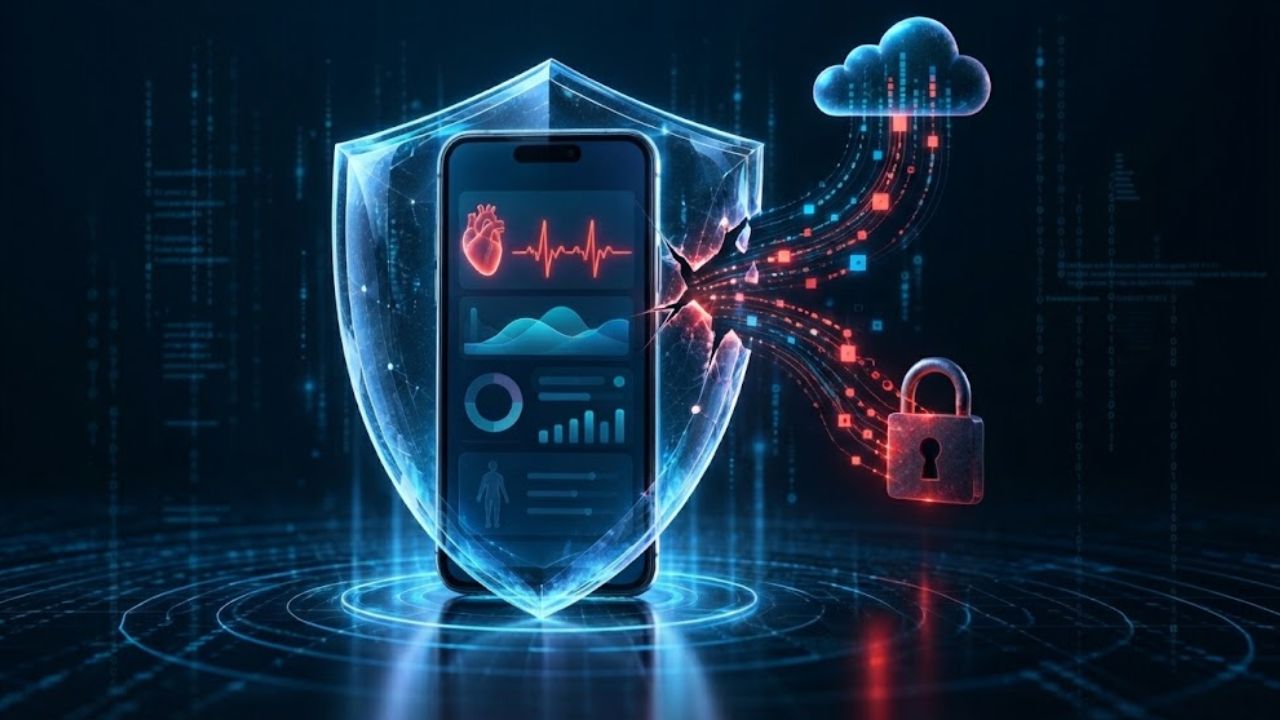
Cybersecurity analysts believe this massive trove of data is the result of multiple infostealers—types of malware designed to stealthily collect login credentials from infected devices. These malicious programs extract saved passwords from web browsers or apps and silently transmit them back to cybercriminals.
While some data breaches stem from hacking into corporate servers or misconfigured cloud databases, this one seems to be driven by end-user malware infections. This makes it even more dangerous, as stolen credentials often bypass traditional breach detection systems.
Why This Is a Big Deal: Not Just Another Breach
Security experts are raising alarm bells over what they’re calling a blueprint for cyber exploitation.
“This is not just a leak – it’s a blueprint for mass exploitation,” the Cybernews report states.
Here’s why this breach is extraordinarily dangerous:
- Fresh Data: Most of these credentials have never been disclosed before.
- Weaponizable: The structure of the data (URL + login + password) makes it incredibly easy for cybercriminals to automate attacks.
- Trusted Brands Involved: The presence of big names like Apple, Facebook, and Google means attackers could target a massive portion of the global population.
Dark Web: Where These Passwords Are Sold
Security experts like Lawrence Pingree, a VP at Dispersive, explain that credentials like these often get bought, sold, and repackaged on the dark web.
“Sometimes repackaged several times, sometimes sold individually,” Pingree notes.
Even if some data overlaps with previous leaks, the freshness and scale of these 16 billion records make it clear: this isn’t just another reshuffled dataset. The scale of this dump is unprecedented, and the potential for misuse is massive.
What You Should Do Right Now
Here’s how to protect yourself immediately:
1. Change All Reused Passwords
If you’ve ever used the same password across multiple services, you’re at high risk. Start by:
- Changing passwords for critical services (email, bank, social media)
- Using unique passwords for every account
2. Use a Password Manager
A password manager can:
- Generate strong, unique passwords
- Store them securely
- Automatically fill them in for you
3. Enable Multi-Factor Authentication (MFA)
Wherever possible, activate two-factor authentication (2FA), especially using:
- Authenticator apps (e.g., Google Authenticator)
- Hardware keys (e.g., YubiKey)
Avoid SMS-based 2FA, as it’s more vulnerable to interception.
4. Monitor the Dark Web
Use services that scan the dark web to alert you if your credentials appear in leaked datasets. Many password managers offer this feature, as do security tools like HaveIBeenPwned, Dashlane, or Keeper Security.
The Case for Passkeys: A Future Without Passwords?
Tech companies are now pushing for passkeys—a passwordless alternative that’s more secure and easier to use. Backed by the FIDO Alliance, passkeys use biometrics like face recognition or fingerprints to authenticate users.
“Passwords can be stolen. Passkeys can’t,” says Rew Islam, security expert at Dashlane and co-chair at FIDO.
Facebook Joins the Passkey Movement
In June 2025, Facebook announced passkey support on its mobile app, with Messenger to follow. That means you’ll soon be able to sign in with Face ID or a fingerprint instead of typing a password.
Expect more companies to follow this trend over the next few years. Google and Apple are already on board.
Organizations Must Step Up
It’s not just about individual users. Businesses and institutions must:
- Adopt Zero Trust security models
- Protect systems with privileged access controls
- Monitor for credential leaks among employees
Evan Dornbush, a former NSA cybersecurity lead, explains that:
“It doesn’t matter how long or complex your password is. If the database storing it is compromised, attackers have it.”
Is It Really the User’s Responsibility?
The question of blame in cybersecurity is heating up.
Two Views:
- Security Experts like Javvad Malik argue it’s a shared responsibility—organizations should secure platforms, and users should protect accounts with strong practices.
- Others like Paul Walsh, CEO of MetaCert, disagree strongly. He argues that placing the burden on users is unfair:
“That’s pure BS. Users aren’t trained cybersecurity experts,” Walsh said on X.
Walsh believes more innovation is needed on the provider side—like zero-trust URL validation—instead of always relying on users to identify phishing attempts.
Don’t Wait to Act
With 16 billion credentials exposed and thousands of new breaches occurring every day, the time to act is now. The risk isn’t theoretical—it’s real, it’s global, and it’s urgent.
Your To-Do List:
- Change reused or old passwords
- Use a password manager
- Turn on MFA
- Switch to passkeys when available
- Monitor for dark web exposure
By taking these steps, you’re not just protecting your email or Facebook account—you’re protecting your financial data, your identity, and your digital life.
Stay alert, stay secure, and spread the word. Because this leak is not the end—it’s a sign of what’s to come.
The Information is Collected from The Sun and Yahoo.