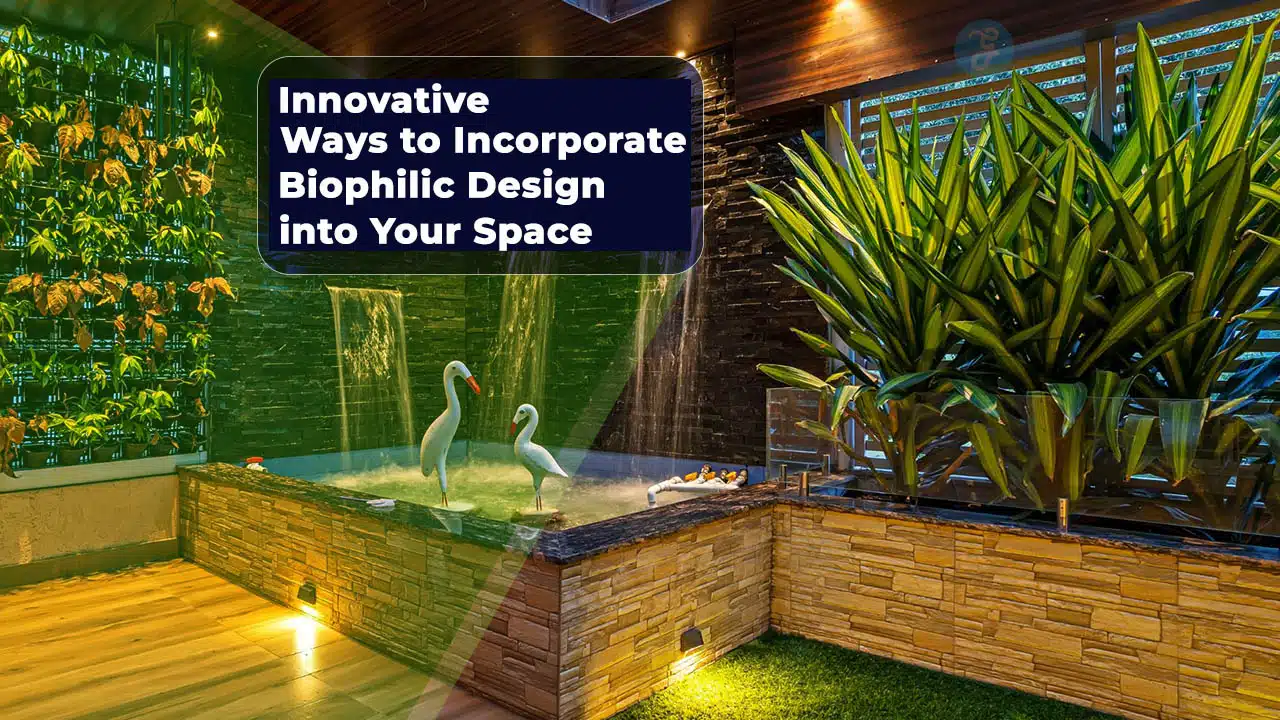
Modern urban living often creates a disconnect from nature, contributing to stress, decreased productivity, and a diminished sense of well-being. With an increasing emphasis on sustainability and wellness in design, biophilic design has emerged as a powerful approach to reintegrating natural elements into our built environments.
Biophilic design involves the strategic use of natural light, plants, water features, organic materials, and earthy color palettes to create a harmonious and rejuvenating atmosphere.
Whether you are designing a home, office, or commercial property, incorporating these principles can improve air quality, boost mood, and enhance cognitive function.
In this article, we explore 12 innovative ways to incorporate biophilic design into your space, providing actionable tips, key details, and expert insights to help you seamlessly blend nature with your surroundings.
What is Biophilic Design?
Biophilic design is the practice of integrating nature into architectural and interior spaces to foster a deeper connection with the environment.
Rooted in the human instinct to seek connections with nature, this design philosophy enhances mental and physical health, promotes sustainability, and elevates the aesthetics of a space.
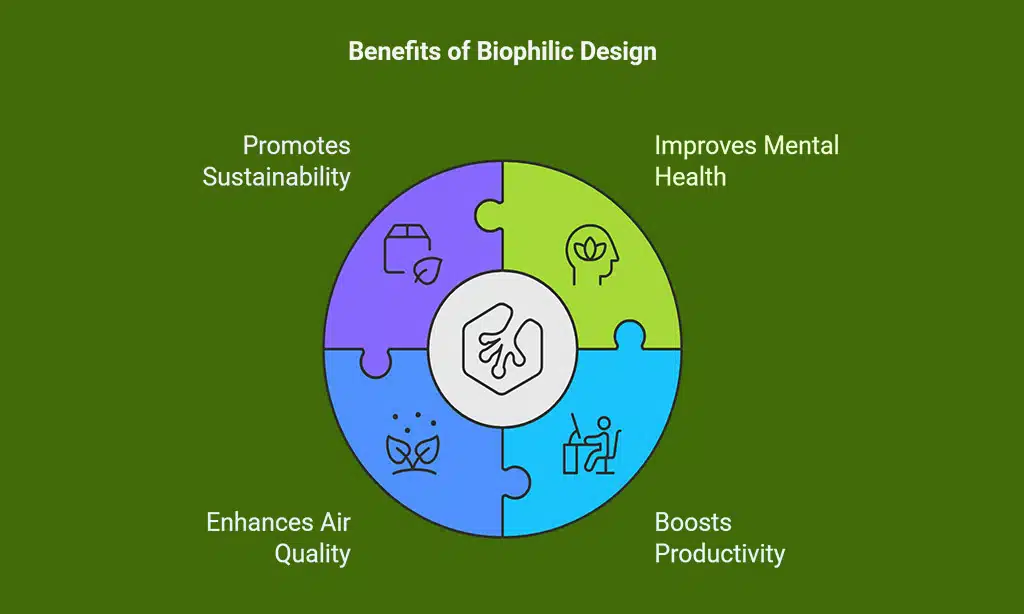
Key Benefits of Biophilic Design
| Benefit | Description |
| Improves Mental Health | Exposure to natural elements helps lower anxiety, reduce stress, and enhance mood. |
| Boosts Productivity | Workspaces featuring greenery and natural light improve focus, creativity, and efficiency. |
| Enhances Air Quality | Indoor plants act as natural air purifiers, filtering toxins and increasing oxygen levels. |
| Promotes Sustainability | The use of eco-friendly materials and energy-efficient solutions supports environmental conservation. |
12 Innovative Ways to Incorporate Biophilic Design into Your Space
Biophilic design connects people with nature by integrating natural elements into indoor spaces. By incorporating greenery, natural materials, and organic textures, you can create a healthier, more harmonious environment that enhances well-being, productivity, and relaxation.
Whether at home or in the workplace, biophilic design fosters a deeper connection with nature, making spaces feel more inviting and rejuvenating.
1. Maximize Natural Light for a Healthier Space
Natural light significantly influences our circadian rhythms, boosting mood and overall well-being while reducing stress. Incorporating abundant daylight into your space enhances comfort, fosters productivity, and creates a more inviting atmosphere.
How to Optimize Natural Light:
| Strategy | Implementation |
| Large Windows & Skylights | Install floor-to-ceiling windows and skylights to allow maximum sunlight. |
| Reflective Surfaces | Use mirrors and glossy materials to bounce light throughout the space. |
| Minimal Window Treatments | Replace heavy drapes with sheer curtains or blinds. |
Tip: Position workstations and relaxation areas near windows to maximize daylight exposure.
2. Bring in Indoor Plants and Greenery
Plants enhance aesthetics, purify the air, and promote relaxation, making spaces feel more inviting. They help reduce stress and increase oxygen levels, improving overall indoor health. Integrating various plant types can also add texture and visual interest to any environment.
Best Indoor Plants for Biophilic Design:
| Plant Name | Benefits | Maintenance Level |
| Snake Plant | Filters toxins, requires minimal care | Low |
| Pothos | Improves air quality, easy to grow | Low |
| Peace Lily | Adds moisture, reduces allergens | Medium |
| Fiddle Leaf Fig | A statement piece, purifies the air | High |
Case Study: A 2023 study by NASA revealed that incorporating indoor plants can remove up to 87% of air pollutants in just 24 hours.
3. Integrate Living Walls and Vertical Gardens
Living walls add vibrant greenery, purify the air, and maximize space efficiency in small or urban settings. They enhance aesthetics while contributing to improved indoor air quality. This eco-friendly solution transforms walls into lush, vertical gardens.
Steps to Create a Vertical Garden:
| Step | Description |
| Choose Location | Select a well-lit area, ideally near windows. |
| Install Wall Planters | Use modular planters with self-watering systems. |
| Select Plants | Opt for easy-to-maintain plants like ferns, ivy, and herbs. |
Did You Know? Vertical gardens improve air circulation and help regulate indoor temperatures.
4. Use Natural Materials for an Organic Touch
Incorporating natural materials enhances warmth, texture, and sustainability, creating a welcoming atmosphere.
Wood, stone, and bamboo introduce organic beauty, while textiles like wool and cotton add softness. Using locally sourced and eco-friendly materials further supports environmental conservation.
Best Natural Materials to Use:
| Material | Usage |
| Wood | Flooring, furniture, wall panels |
| Stone | Countertops, backsplashes, décor accents |
| Bamboo | Flooring, partitions, window shades |
| Wool & Cotton | Upholstery, rugs, and textiles |
Pro Tip: Opt for sustainably sourced materials to minimize environmental impact.
5. Incorporate Water Elements for a Soothing Ambiance
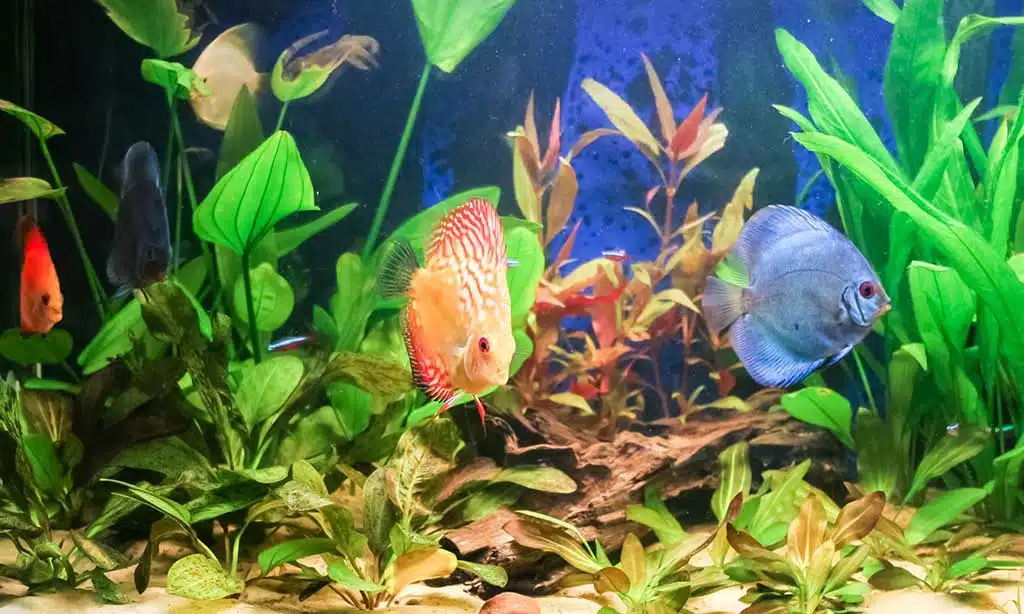
Water elements introduce a calming ambiance, enhance indoor humidity, and create a sense of tranquility. The sound of flowing water has been shown to reduce stress and promote relaxation.
Incorporating features like fountains, aquariums, or indoor waterfalls can elevate the aesthetics of any space while benefiting overall well-being.
Ideas for Water Features:
| Feature | Benefits |
| Indoor Fountain | Enhances relaxation and reduces noise pollution |
| Aquarium | Adds movement and vibrancy to interiors |
| Outdoor Waterfall | Creates a serene and natural ambiance |
Fact: Studies show that the sound of water lowers heart rate and blood pressure.
6. Design with Earthy Color Palettes
Earthy tones create a grounding and relaxing environment by mimicking natural landscapes. Shades of green, brown, and terracotta evoke tranquility and warmth. These hues help reduce stress and enhance comfort in both residential and workspaces.
Incorporating earthy colors through walls, décor, and textiles can create a soothing atmosphere.
Ideal Color Schemes:
| Palette | Effect |
| Green & Brown | Mimics forests, enhances tranquility |
| Blue & White | Evokes a coastal feel, promotes calmness |
| Terracotta & Sand | Creates a warm, desert-inspired ambiance |
Tip: Use non-toxic, VOC-free paints to enhance indoor air quality.
7. Enhance Airflow and Ventilation
Good ventilation enhances indoor air quality, regulates humidity, and prevents mold growth. Fresh air circulation reduces airborne pollutants, improving respiratory health.
Incorporating natural airflow solutions like cross-ventilation fosters a refreshing and comfortable indoor atmosphere.
Ways to Improve Air Circulation:
| Method | Benefit |
| Cross-Ventilation | Maximizes fresh air movement |
| Ceiling Fans | Enhances airflow and energy efficiency |
| Air-Purifying Plants | Filters toxins and increases oxygen levels |
8. Create Outdoor-Indoor Transitions
Blurring indoor-outdoor boundaries fosters a seamless connection with nature, enhancing comfort and well-being.
Large windows, sliding doors, and open layouts create fluid transitions. Incorporating greenery and natural materials strengthens this harmonious integration with the outdoors.
How to Achieve This Effect:
| Feature | Implementation |
| Glass Sliding Doors | Expands views and increases natural light |
| Indoor-Outdoor Flooring | Creates continuity between spaces |
| Outdoor Lounges | Encourages relaxation and socialization |
9. Integrate Natural Shapes and Patterns
Organic shapes create a softer, more relaxed environment by mimicking natural forms found in nature. Curved furniture, flowing lines, and asymmetrical designs contribute to a more inviting and harmonious space.
Incorporating these shapes in architecture and decor can reduce stress and enhance comfort.
Ways to Incorporate Organic Forms:
| Design Element | Implementation |
| Curved Furniture | Sofas, chairs, and tables with flowing shapes |
| Floral & Leaf Patterns | Wallpaper, textiles, and artwork |
10. Incorporate Sensory Elements
Biophilic design should engage all senses to create a fully immersive and harmonious environment. Incorporating nature-inspired scents, textures, and sounds can enhance relaxation and well-being.
Thoughtfully designed sensory elements strengthen the connection between people and their surroundings.
Engaging the Senses in Biophilic Design
| Sense | Design Element |
| Scent | Essential oils (lavender, eucalyptus) |
| Texture | Soft rugs, woven baskets, stone finishes |
| Sound | Wind chimes, nature-inspired white noise |
11. Choose Sustainable and Eco-Friendly Design Elements
Incorporate eco-friendly design choices by selecting reclaimed materials, energy-efficient fixtures, and sustainable furniture.
Prioritize materials that have a low carbon footprint, such as bamboo, recycled wood, and non-toxic paints. Solar-powered lighting and smart energy systems can further enhance sustainability.
Eco-Friendly Design Elements & Benefits
| Eco-Friendly Design Element | Benefits | Examples |
| Reclaimed Materials | Reduces waste & promotes reuse | Recycled wood, repurposed furniture |
| Solar Lighting | Lowers energy costs & carbon footprint | Solar-powered LED lamps |
| Sustainable Furniture | Eco-conscious & long-lasting | Bamboo chairs, non-toxic finishes |
| Energy-Efficient Fixtures | Saves electricity & money | LED bulbs, smart thermostats |
| Non-Toxic Paints | Improves indoor air quality | VOC-free and natural paints |
Sustainability Tip: Opt for reclaimed materials and solar lighting to reduce environmental impact.
12. Create a Nature-Inspired Work & Living Space
Bringing nature into your home office can improve focus and productivity. Utilize natural lighting, indoor plants, and organic textures to foster a calming environment.
Biophilic design elements, such as water features and wooden accents, can enhance well-being while reducing stress.
Tip: Position desks near windows and use green partitions for focus.
Nature-Inspired Elements for a Productive Workspace
| Nature-Inspired Element | Benefits | Examples |
| Natural Lighting | Enhances mood & reduces eye strain | Position desk near windows |
| Indoor Plants | Improves air quality & reduces stress | Snake plant, peace lily |
| Green Partitions | Creates focus areas & adds aesthetics | Moss walls, vertical gardens |
| Organic Textures | Provides warmth & comfort | Wooden furniture, natural fiber rugs |
| Water Features | Promotes relaxation & focus | Small indoor fountains |
Tip: Position desks near windows and use green partitions for focus.
Takeaways
Biophilic design transforms spaces into refreshing, wellness-focused environments that promote relaxation, productivity, and overall well-being. By integrating natural elements such as plants, sunlight, organic textures, and water features, you can create a space that feels more harmonious and connected to nature. Even small changes, like adding indoor greenery or maximizing natural light, can have a significant impact on your mood and health.
Start small with plants, wooden accents, or nature-inspired artwork, then gradually incorporate more elements like living walls, sustainable materials, or sensory features to create a fully immersive experience.
Whether you’re revamping your home, office, or commercial space, biophilic design allows you to cultivate a soothing and inspiring atmosphere.
Which biophilic design feature are you most excited to try? Share your thoughts and experiences in the comments below!