The role of trees in sustaining life on Earth extends far beyond their aesthetic appeal and ecological benefits. Among their crucial functions, trees play a vital role in oxygen production through photosynthesis, where they convert carbon dioxide into oxygen using sunlight and water.
Some tree species are exceptionally proficient oxygen producers, significantly contributing to global oxygen levels and enhancing air quality in their surrounding environments.
Understanding and appreciating these top oxygen-producing trees highlights their environmental importance and profound impact on human health and well-being.
In this article, we explore the top 10 trees known for their remarkable capacity to produce oxygen, shedding light on their characteristics, habitats, and ecological significance. These trees enrich landscapes with beauty and provide a vital lifeline by replenishing the air we breathe.
1. Snake Plant (Sansevieria trifasciata)
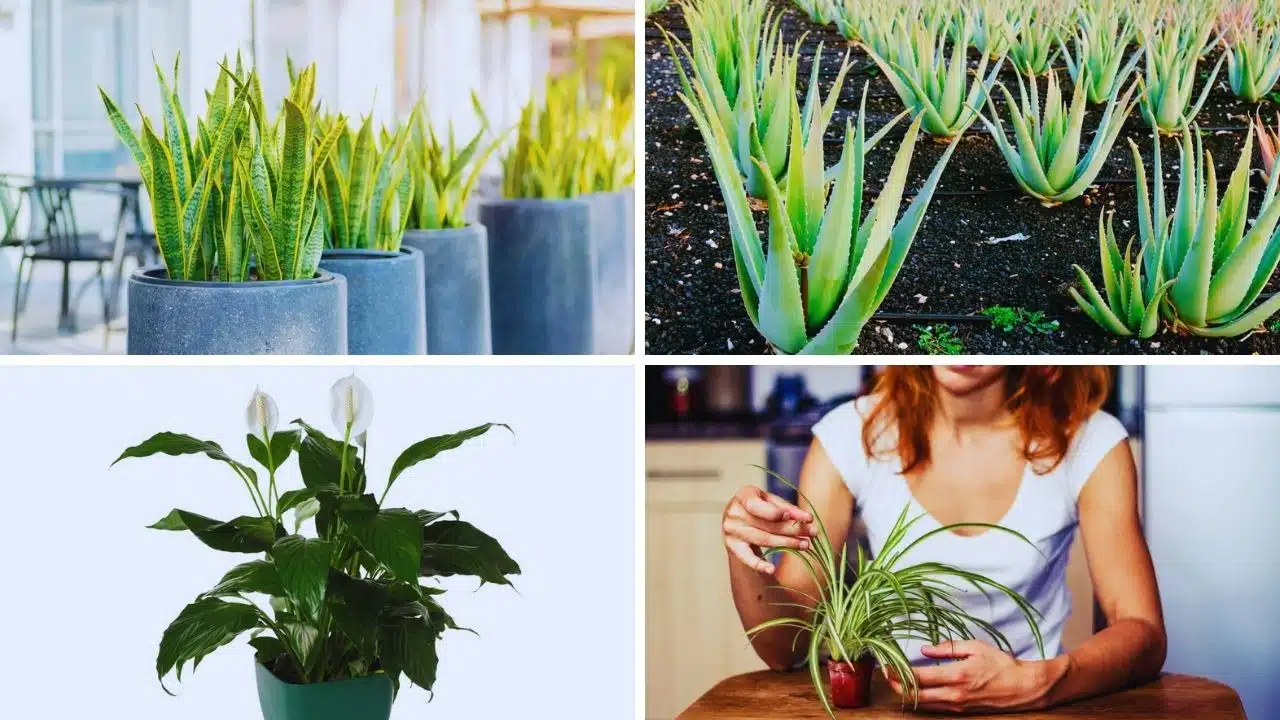
The Snake Plant, scientifically known as Sansevieria trifasciata, is renowned for its robustness and air-purifying capabilities. Originating from West Africa, this resilient plant thrives in low-light conditions and requires minimal watering.
Its sword-shaped leaves grow upright and can reach impressive heights, contributing to its striking appearance as a decorative indoor plant.
Beyond aesthetics, the Snake Plant plays a vital role in oxygen production through photosynthesis, converting carbon dioxide into oxygen during the day.
It also efficiently removes toxins such as formaldehyde, benzene, and xylene from indoor air, promoting a cleaner and healthier environment.
2. Aloe Vera (Aloe barbadensis miller)
Aloe Vera, known for its medicinal properties and succulent leaves filled with gel-like sap, is a versatile plant for skin care and a notable oxygen producer indoors. Native to the Arabian Peninsula, Aloe Vera thrives in bright, indirect light and well-drained soil.
It releases oxygen during photosynthesis while absorbing carbon dioxide and volatile organic compounds (VOCs) from the air, thus improving indoor air quality. Beyond its oxygenating benefits, Aloe Vera is valued for its ability to heal minor cuts and burns, making it a practical addition to any household.
Regular maintenance involves infrequent watering and occasional pruning of dead leaves to ensure optimal growth and health. Aloe Vera stands out as a decorative and functional indoor plant in kitchens, living rooms, or offices.
3. Areca Palm (Dypsis lutescens)
The Areca Palm, known as the Butterfly Palm or Golden Cane Palm, is prized for its graceful appearance and air-purifying qualities. Originating from Madagascar, this tropical plant thrives in bright, indirect light and requires regular watering to maintain its lush foliage.
Areca Palms release oxygen as they photosynthesize, contributing to improved indoor air quality by reducing carbon dioxide levels. Additionally, they effectively filter indoor air pollutants such as formaldehyde, benzene, and carbon monoxide, making them excellent choices for homes and offices.
With their slender, feathery fronds that arch elegantly from multiple stems, Areca Palms add a touch of tropical elegance to any indoor space. Regular pruning and fertilization ensure healthy growth, while proper placement away from direct sunlight prevents leaf scorching. Embracing the Areca Palm enhances aesthetic appeal and air purity in indoor environments.
4. Peace Lily (Spathiphyllum spp.)
The Peace Lily, known for its elegant white blooms and lush green foliage, is celebrated for its aesthetic charm and indoor air-purifying abilities. Native to tropical regions of the Americas and Southeast Asia, Peace Lilies thrive in low light conditions and require moderate watering to flourish.
Beyond its visual appeal, this versatile plant plays a crucial role in oxygen production, releasing oxygen during photosynthesis while absorbing air pollutants such as ammonia, formaldehyde, and benzene. Peace Lilies are also known for their resilience and adaptability, making them suitable for indoor environments.
Regular misting and occasional pruning of spent flowers and yellow leaves help maintain their health and vitality. Whether placed in living rooms, bedrooms, or offices, Peace Lilies enhance indoor air quality and contribute to a healthier living space with their natural air-purifying properties.
5. Pothos (Epipremnum aureum)
Pothos, also known as Devil’s Ivy, is a popular trailing vine that is appreciated for its indoor ornamental foliage and air-purifying qualities. Originating from the Solomon Islands, Pothos thrives in low to moderate light conditions and requires minimal watering, making it an ideal choice for beginners.
Its heart-shaped leaves can vary in color from green to variegated shades of yellow and white, adding visual interest to any indoor setting. Beyond its aesthetic appeal, Pothos contributes to indoor air quality by releasing oxygen during photosynthesis and effectively removing toxins such as formaldehyde, benzene, and xylene.
Regular pruning of leggy stems and occasional fertilization ensure vigorous growth and vibrant foliage. Whether displayed in hanging baskets or on shelves, Pothos enhances indoor environments with cascading vines and natural air-purifying benefits.
6. Spider Plant (Chlorophytum comosum)
The Spider Plant, known for its arching green and white striped leaves, is celebrated for its air-purifying abilities and ease of care indoors. Native to Southern Africa, Spider Plants thrive in bright, indirect light and require moderate watering to maintain their health and vitality.
They release oxygen during photosynthesis while absorbing indoor air pollutants such as formaldehyde and carbon monoxide, improving air quality. Spider Plants are also known for their ability to produce small plantlets or “siderites” on long arching stems, which can be propagated to expand your indoor garden.
Regular pruning of spent flowers and occasional repotting ensure continuous growth and proliferation. Whether placed in hanging baskets or on tabletops, Spider Plants adds a touch of greenery and natural air purification to indoor spaces, making them popular choices for homes and offices.
7. Tulsi (Holy Basil) (Ocimum tenuiflorum)
Tulsi, also known as Holy Basil, holds spiritual significance in Hindu culture and is revered for its medicinal properties and oxygen-producing abilities indoors. Native to the Indian subcontinent, Tulsi thrives in bright, indirect light and requires regular watering to maintain its health.
It releases oxygen during photosynthesis while helping to repel mosquitoes and insects, contributing to cleaner indoor air. Beyond its oxygenating benefits, Tulsi is valued for its aromatic leaves used in culinary dishes, teas, and herbal remedies. Regular pruning of flower spikes and occasional pinching of stems promote bushier growth and enhance its ornamental appeal.
Whether grown in pots or as part of a herb garden, Tulsi adds cultural richness and natural air purification to indoor environments, making it a cherished plant in households worldwide.
8. Weeping Fig (Ficus benjamina)
The Weeping Fig, known simply as Ficus, is prized for its graceful appearance and indoor air-purifying qualities. Native to Southeast Asia and Australia, this evergreen tree thrives in bright, indirect light and requires regular watering to maintain its foliage.
Weeping Figs release oxygen during photosynthesis, contributing to improved indoor air quality by reducing carbon dioxide levels. They also effectively filter indoor air pollutants such as formaldehyde, benzene, and trichloroethylene, making them valuable additions to homes and offices.
With their glossy, elliptical leaves and slender stems, Weeping Figs add a touch of elegance and natural beauty to indoor spaces. Regular pruning and occasional misting help maintain their health and vibrant appearance.
Embracing the Weeping Fig enhances aesthetic appeal and air purity, creating a healthier indoor environment for occupants.
9. Money Plant (Epipremnum pinnatum)
Money Plant, known as Golden Pothos or Devil’s Ivy, is a versatile indoor vine appreciated for its air-purifying qualities and decorative foliage. Originating from the Solomon Islands, Money Plants thrive in low to moderate light conditions and require minimal watering, making them ideal for beginners.
Their heart-shaped leaves can vary in color from green to variegated shades of yellow and white, adding visual interest to any indoor setting. Beyond aesthetics, Money Plants contribute to indoor air quality by releasing oxygen during photosynthesis and effectively removing toxins such as formaldehyde, benzene, and xylene.
Regular pruning of leggy stems and occasional fertilization ensure vigorous growth and lush foliage. Whether displayed in hanging baskets, on shelves, or as trailing vines, Money Plants enhance indoor environments with their natural air-purifying benefits and aesthetic appeal.
10. Peepal Tree (Ficus religiosa)
The Peepal Tree, also known as Sacred Fig, holds cultural and spiritual significance in various traditions and is revered for its oxygen-producing abilities indoors. Native to the Indian subcontinent, Peepal Trees thrive in bright, indirect light and require moderate watering to maintain their health.
They release oxygen during photosynthesis, contributing to cleaner indoor air quality by reducing carbon dioxide levels. Peepal Trees are also known for their extensive root systems and broad, heart-shaped leaves, which add a tropical touch to indoor environments.
Regular pruning of dead or yellowing leaves and occasional repotting ensure optimal growth and vitality. Whether grown in pots or as focal points in indoor gardens, Peepal Trees enhance spiritual richness and air purity, making them cherished plants in homes and sacred spaces.
Wrap up
Incorporating oxygen-producing plants into indoor spaces enhances air quality and promotes a healthier lifestyle. These top 10 plants offer unique benefits, from air purification to aesthetic enhancement.
By understanding their care requirements and benefits, you can create a greener, more oxygen-rich environment at home or your workplace.
Whether you prefer low-maintenance plants like snakesnakespothos or more delicate varieties like peace lilies and tulsi, a plant suits every indoor setting. Embrace the benefits of indoor gardening with these oxygen-producing plants and enjoy fresh air every day.