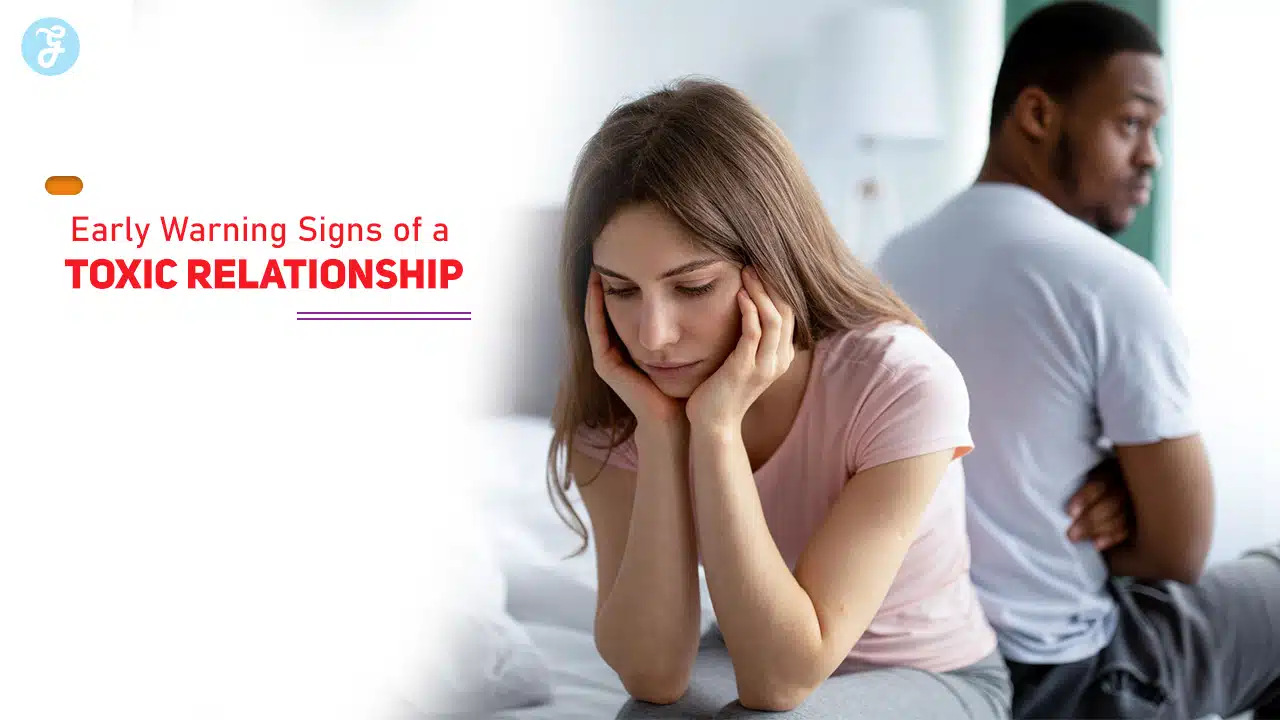
Relationships are meant to foster love, growth, and mutual respect, but sometimes they can turn toxic, causing significant emotional and mental harm.
A toxic relationship drains your energy, manipulates your self-perception, and can even lead to physical abuse. Recognizing the early warning signs is crucial for protecting your well-being and taking proactive steps to address the situation.
In this detailed guide, we’ll uncover the 10 early warning signs of a toxic relationship, explain why they are harmful, and provide actionable advice on how to handle them. By identifying these red flags early, you can make more informed decisions about your relationships and prioritize your mental health.
What is a Toxic Relationship?
A toxic relationship is one where the negative aspects consistently outweigh the positive, leaving you feeling emotionally depleted, unsupported, and often trapped. Toxicity can take many forms, including emotional manipulation, control, and abuse.
These behaviors are often subtle at first, making it challenging to recognize the pattern until it becomes more damaging over time.
The good news is that toxic relationships are not an inevitable part of life, and recognizing the signs is the first step to reclaiming your happiness and freedom.
10 Early Warning Signs of a Toxic Relationship

1. Excessive Jealousy and Possessiveness
Jealousy, when mild and occasional, can be a natural emotion in relationships. However, excessive jealousy often indicates insecurity, control issues, and a lack of trust in the relationship. Toxic jealousy is usually accompanied by possessive behaviors, which can suffocate your individuality and independence.
- Constant Monitoring: A toxic partner may obsessively monitor your activities, asking for constant updates about your location, who you’re with, or what you’re doing. This behavior often stems from their insecurity or fear of losing you, but it is far from healthy.
- Isolation from Others: They may discourage or outright forbid you from spending time with friends and family. They frame this as protecting your relationship, but it’s actually about controlling your social connections and making you dependent on them.
- Emotional Blackmail: Jealous partners often manipulate your emotions, saying things like, “I’m only this way because I love you,” or “You’ll understand if you really care about me.”
Why It’s Toxic
Excessive jealousy fosters an atmosphere of control and mistrust, eroding the foundation of a healthy partnership. Over time, it isolates you and creates a sense of dependency on the toxic partner, making it harder to leave the relationship.
2. Constant Criticism and Belittling
Constructive criticism can be a positive force in relationships, helping both partners grow. However, in toxic relationships, criticism often takes the form of belittling, mocking, or outright insults. This is not meant to help; it’s meant to undermine your confidence.
- Mocking Your Achievements: Instead of celebrating your accomplishments, they minimize or ridicule them. For example, they might say, “Anyone could’ve done that,” or “It’s not such a big deal.”
- Personal Attacks: A toxic partner often resorts to attacking your character, appearance, or abilities. This can manifest as comments like, “You’ll never amount to anything,” or “You’re so useless.”
- Public Humiliation: To assert dominance, they may embarrass you in front of others by making jokes at your expense or pointing out your flaws.
Why It’s Toxic
When criticism becomes a tool for control, it damages your self-esteem and leaves you feeling unworthy. You may begin to internalize their negative opinions, making it difficult to see your own value or consider leaving the relationship.
3. Lack of Communication or Stonewalling
Healthy communication is the cornerstone of any thriving relationship. In toxic dynamics, communication is often one-sided, nonexistent, or weaponized. Stonewalling—where one partner withdraws or refuses to engage in discussions—is a common tactic used to control and silence the other person.
- Ignoring Issues: When you try to address problems, they might shut you down with phrases like, “I don’t want to talk about this,” or simply walk away.
- Silent Treatment: This form of punishment leaves you feeling ignored, unimportant, and desperate to resolve the issue, even if it means compromising your needs.
- Deflecting Responsibility: When confronted, they might become defensive, accuse you of overreacting, or blame you for the problem.
Why It’s Toxic
A lack of open communication creates a breeding ground for misunderstandings and resentment. You’re left feeling isolated and emotionally abandoned, which can lead to further frustration and unhappiness.
4. Controlling Behavior
Control in a toxic relationship can manifest in various ways, from micromanaging your daily activities to dictating major life decisions. Often disguised as concern or care, these controlling tendencies strip away your independence and sense of self.
- Financial Control: A toxic partner may insist on managing all financial matters, restrict your access to money, or scrutinize every expense you make.
- Micromanaging Decisions: Whether it’s your wardrobe, career choices, or even what you eat, they take over decisions that should be yours alone.
- Restricting Freedom: You might feel like you need their approval before making plans, meeting friends, or pursuing new opportunities.
Why It’s Toxic
Controlling behavior undermines your autonomy and creates an unequal power dynamic, leaving you feeling trapped and powerless.
5. Frequent Mood Swings

Being in a relationship with someone whose moods change unpredictably can feel like walking on eggshells. One moment they’re affectionate and loving; the next, they’re angry or dismissive without clear reason.
- Extreme Reactions: Small disagreements or misunderstandings might trigger explosive anger or disproportionate emotional responses.
- Unpredictable Behavior: You never know what mood they’ll be in, which forces you to constantly adjust your own behavior to avoid conflict.
- Manipulation Through Emotions: They may use mood swings to guilt you into compliance, keeping you off balance and dependent on their approval.
Why It’s Toxic
Frequent mood swings create an unstable environment that breeds anxiety and fear, making it hard to establish emotional security in the relationship.
6. Gaslighting
Gaslighting is one of the most insidious forms of emotional abuse, designed to make you question your perception of reality.
- Denial of Events: A gaslighting partner will deny things they said or did, even when you have evidence.
- Minimizing Your Feelings: They may dismiss your emotions by saying, “You’re overreacting,” or “You’re being too sensitive.”
- Planting Doubt: Over time, you may start questioning your memory, judgment, or sanity, leaving you dependent on their version of events.
Why It’s Toxic
Gaslighting erodes your confidence and leaves you doubting your ability to make decisions, trapping you further in the toxic dynamic.
7. Disrespect for Boundaries
Boundaries are an essential part of healthy relationships, providing mutual respect and autonomy. A toxic partner will often disregard or violate these boundaries.
- Pushing Limits: They may pressure you into activities or commitments you’re uncomfortable with.
- Invasion of Privacy: Checking your phone, emails, or personal belongings without permission is a clear sign of boundary violation.
- Ignoring “No”: If they dismiss your refusal or act as though your preferences don’t matter, it shows a lack of respect.
Why It’s Toxic
Boundary violations lead to a loss of trust and autonomy, making it difficult to maintain a sense of personal identity within the relationship.
8. Constant Drama and Chaos
Toxic relationships are often marked by unnecessary drama that keeps the relationship in a perpetual state of turmoil.
- Frequent Arguments: Small disagreements escalate into major conflicts.
- Emotional Rollercoaster: The highs and lows of the relationship leave you emotionally exhausted.
- Crisis Creation: A toxic partner may fabricate problems or create chaos to maintain control or focus attention on themselves.
Why It’s Toxic
Living in constant drama prevents stability and creates a toxic environment where emotional growth is impossible.
9. Lack of Support and Empathy
A partner who doesn’t support your goals or empathize with your struggles creates a relationship devoid of emotional connection.
- Indifference: They may brush off your emotions or dismiss your achievements.
- One-Sided Effort: You find yourself constantly giving while receiving little in return.
- Self-Centered Behavior: Their needs always take precedence, leaving yours unaddressed.
Why It’s Toxic
A lack of empathy makes you feel undervalued and lonely, often leading to resentment.
10. Physical, Emotional, or Verbal Abuse
Abuse in any form is a major red flag and should never be tolerated.
- Physical Harm: Pushing, hitting, or any form of violence is unacceptable.
- Emotional Manipulation: Using guilt, threats, or intimidation to control you is abusive.
- Verbal Abuse: Yelling, name-calling, or making degrading comments leaves lasting emotional scars.
Why It’s Toxic
Abuse can have profound effects on your mental, physical, and emotional health, making it imperative to seek help immediately.
Takeaways
Recognizing the early warning signs of a toxic relationship is crucial for your well-being. While love can sometimes cloud judgment, it’s important to prioritize your mental health and happiness. If you identify toxic behaviors in your relationship, seek support from trusted friends, family, or a professional counselor.
Remember, healthy relationships are built on mutual respect, trust, and support. You deserve a partnership that uplifts and empowers you, not one that tears you down.
Taking steps to address or leave a toxic relationship may be challenging, but it’s an essential move toward living a fulfilling, happy life.
Don’t settle for less than you deserve. Your happiness and mental health should always come first.