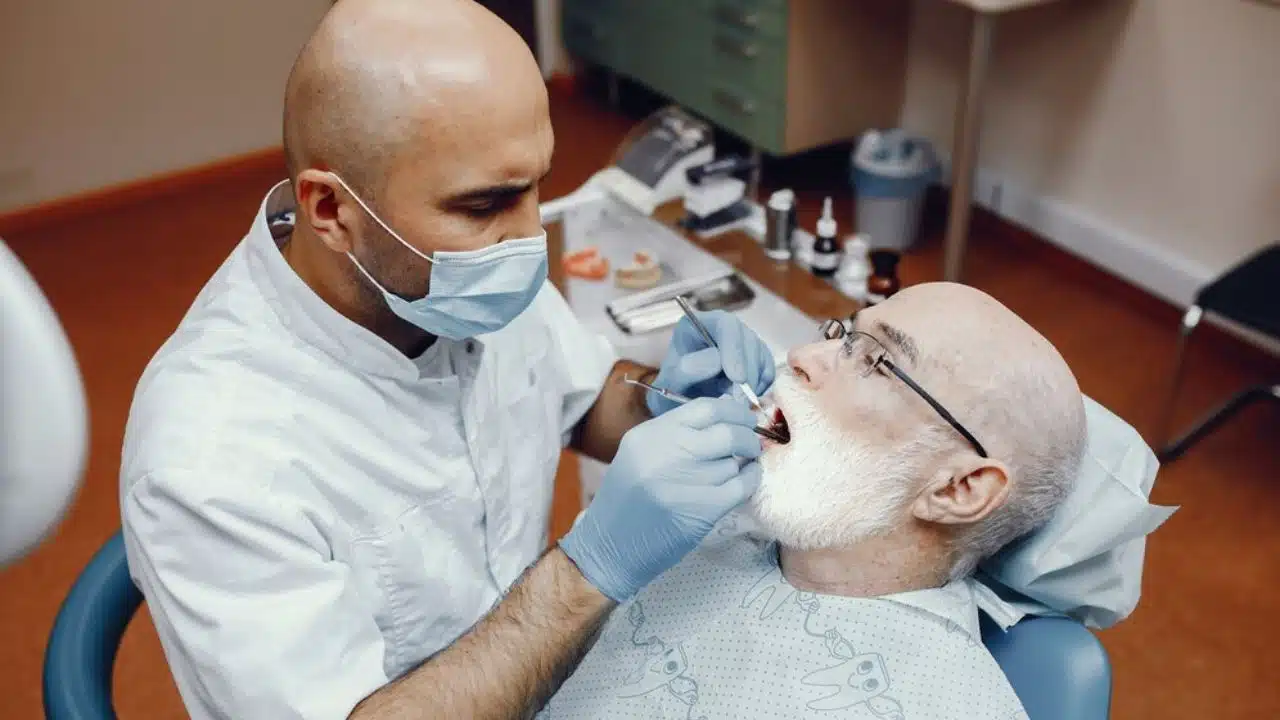
If some of your teeth are missing, broken, or otherwise not contributing to a healthy smile, you may consider replacing them with dental implants. Dental implants function as permanent replacements for your teeth and can be implanted with a simple surgical procedure.
But how exactly do dental implants work? And who is a good candidate for them?
The Basics of Dental Implants
Dental implants are designed to take the place of your existing teeth. They can be implanted relatively quickly and easily, and if you take good care of them, they should last for the rest of your life.
Essentially, a surgeon will implant a strong metal post directly into the jawbone. After that, they’ll insert a connecting post known as an abutment to serve as the foundation of the artificial tooth. From there, the surgeon can place the final crown, completing the procedure.
It does take some time to heal from this procedure, which is usually done across multiple iterative steps. Once the procedure is complete, your life will be the same as it was with regular teeth; you’ll brush and floss your artificial teeth like regular teeth, your smile will look normal and healthy, and you’ll be able to eat whatever you want, barring other issues.
Who Is a Good Candidate for Dental Implants?
Dental implants are primarily for people with missing and/or broken teeth. You may be interested in dental implants to improve your chewing, speech, confidence, or smile aesthetics.
Surgeons and dentists review potential dental implant candidates based on the following:
- Jawbone maturity. In a dental implant procedure, the jawbone will heal around the metal, threaded post, ultimately serving as its foundation. Accordingly, the jawbone needs to be mature enough to support the post – and it needs to be fully developed. Children and young adults often aren’t good candidates for dental implant surgery, as their jawbones are not yet fully mature; a dental implant too early could result in complications later.
- Jawbone strength and integrity. Similarly, we need to ensure the jawbone’s strength and integrity are reasonable. If you suffer from any kind of bone condition that causes weakness or deterioration or are past a certain age, you may no longer be a good candidate for dental implant surgery.
- Generally good oral health. Dentists will evaluate your overall oral health before recommending you for dental implant surgery. While simple, this is still a significant surgical procedure, and ensuring you have a path to full recovery is important.
- Generally good general health. For similar reasons, dental implant surgery generally requires you to be in good health. You don’t have to be in perfect shape, but you should be able to recover relatively quickly.
- Patience. The dental implant procedure is typically done in phases, often over the course of weeks. You’ll need to be a bit patient throughout this process.
Are There Any Risks?
As with any surgical procedure, there are some minor risks associated with dental implants, but this is generally a safe and well-tolerated procedure. Complications like infections and nerve damage are always possible, but most side effects and consequences are very mild and easy to address.
Preparing for Dental Implants
If you’re interested in dental implants, understand that the process will probably go like this:
- An exam. Everything starts with a comprehensive oral exam. Your dentist and surgeon will want to make sure that your oral health is adequate for the dental implant procedure. If there are any weaknesses or complications, now is the time to find out.
- A review of medical history. Next, your professionals will need to review your medical history. Based on this, your healthcare provider will either recommend you for dental implant surgery or advise against it.
- A treatment plan. Your dental implant professional will then put together a treatment plan, including setting up your appointments, planning for the surgery, and ordering the artificial teeth.
- The procedure. Finally, it will be time for the procedure itself. You may receive local or general anesthesia, depending on the situation. The first part of the procedure will drill into your jawbone to place a metal, threaded post. After that heals, the surgeon will implant a connecting post. When that phase is complete, they’ll finish with the crown and the dental implant will be complete.
If you’re interested in dental implants for any reason, consider talking to your dentist or looking for a dental implant specialist in your area. Make sure you fully understand the procedure before you move forward.