Vitamins are organic compounds that our bodies require in small amounts to support normal growth, development, and functioning. Unlike macronutrients like carbohydrates, proteins and fats that provide energy, vitamins facilitate processes like bone growth, vision, blood clotting and more.
Content Highlights
- Vitamins support vital metabolic, immunity and antioxidant functions in the body. Getting adequate amounts prevents disorders and maintains optimal health.
- Both fat- and water-soluble vitamin varieties must come from our diets daily or regularly, as the body cannot produce them itself.
- Deficiencies develop when intake is insufficient over time. However, consistent, adequate consumption of wholesome foods can prevent this.
- Including the best food sources of each essential vitamin ensures your needs are sufficiently met to perform key roles.
There are 13 vitamins that the human body needs to acquire from food, as it cannot produce them itself. They are broadly divided into two categories:
Water-soluble – Vitamin B complex and Vitamin C dissolve in water, so excess amounts get flushed out in urine. These need consistent replenishment from the diet.
Fat-soluble – Vitamins A, D, E and K dissolve in fat, accumulating in body tissues over time. Constant consumption thus risks toxicity.
Below, we explore each of the 13 essential vitamins, their key functions, deficiency risks if intake is inadequate, and the best food sources.
1. Vitamin A
Key Roles
- Vision: converts light signals, enabling us to see properly.
- Gene expression helps regulate cell growth and differentiation.
- Immunity: supports immune cell health to fight infections.
- Reproduction is involved in semen production and embryonic development.
- Skin and bone health
Deficiency Risks
Poor night vision, frequent infections, dry eyes, skin disorders and delayed growth in children.
Top Food Sources
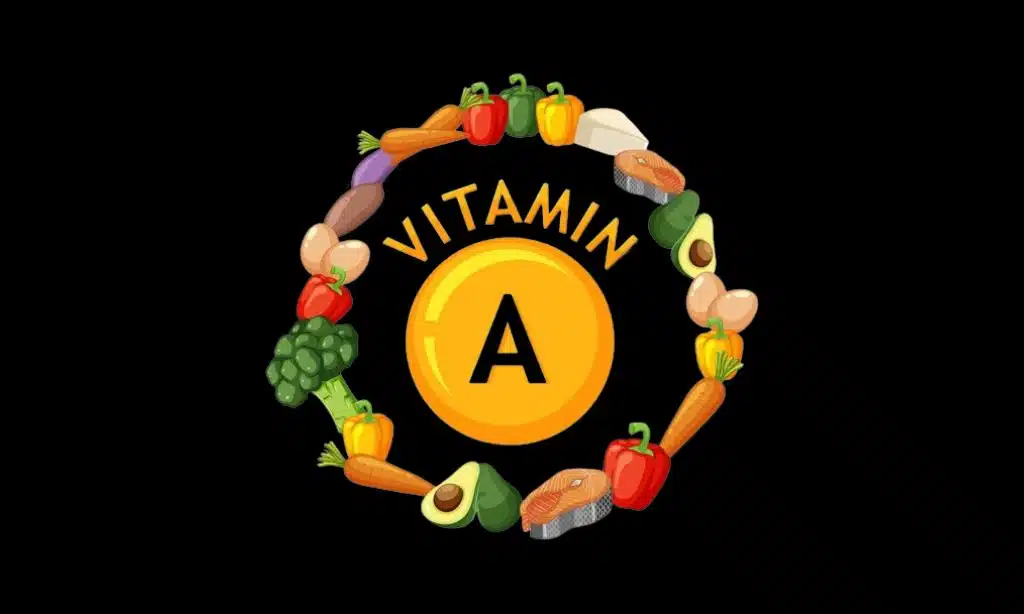
Beef liver, butter, eggs, fortified milk and cereals, salmon, sweet potatoes, spinach, carrots, and mangos.
2. Vitamin B1 (Thiamine)
Key Roles
- Energy production helps convert food into energy.
- Nerve and muscle signaling
- Heart, digestive and brain functions
- Growth and development
Deficiency Risks
Fatigue, irritability, depression, muscle weakness, nerve damage and heart complications.
Top Food Sources
Whole grains like brown rice and fortified bread, pork, trout, black beans, spinach, milk, eggs and seeds like sunflower and flax.
3. Vitamin B2 (riboflavin)
Key Roles
- Energy production assists biochemical reactions.
- Antioxidant: neutralizes free radicals.
- Skin, nail, eye and nerve health
Deficiency Risks
Itchy rashes, flaky skin, cracked lips, sensitivity to light and numbness in the extremities.
Top Food Sources
Milk, yogurt, eggs, organ meats like liver, lean meats, nuts, whole grains, green vegetables, mushrooms and almonds.
4. Vitamin B3 (Niacin)
Key Roles
- Digestion helps the body break down food for energy.
- Cholesterol regulation
- Brain and nervous system functions
- Skin, hair and eye health
Deficiency Risks
Indigestion, diarrhea, dementia, skin rashes and mouth ulcers.
Top Food Sources
Meat like chicken and turkey, fatty fish like tuna and salmon, peanuts, brown rice, fortified cereals, mushrooms, green vegetables and milk.
5. Vitamin B5 (Pantothenic Acid)
Key Roles
- Energy production helps convert nutrients from food into usable energy.
- creates red blood cells.
- Cholesterol regulation
- Hormone and neurotransmitter production
Deficiency Risks
Numbness and muscle cramps, fatigue, irritability, stomach pains and sleep issues.
Top Food Sources
Chicken, beef, potatoes, broccoli, mushrooms, tomatoes, eggs, nuts, seeds, whole grains and yogurt.
6. Vitamin B6
Key Roles
- Protein metabolism enables the use of amino acids.
- Brain development and functioning
- Hemoglobin production helps form oxygen-carrying red blood cells.
- supports immune health.
Deficiency Risks
Anemia, confusion, depression, flaky skin and mouth inflammation or sores.
Top Food Sources
Chicken, beef, tuna, salmon, lentils, chickpeas, potatoes, bananas, spinach, pistachios and fortified cereals.
7. Vitamin B7 (Biotin)
Key Roles
- Macronutrient metabolism helps convert fats, proteins and carbs from food.
- Gene regulation controls the activity of certain genes.
- Healthy hair, skin and nails
Deficiency Risks
Hair loss, skin rashes, conjunctivitis and neurologic disorders like numbness and muscle pain.
Top Food Sources
Nuts, seeds, sweet potatoes, eggs, cauliflower, wild-caught salmon and other fatty fish, chicken, berries and mushrooms.
8. Vitamin B9 (Folate/Folic Acid)
Key Roles
- Cell growth helps form the building blocks of DNA and RNA.
- Amino acid metabolism
- Red blood cell production
- supports fetus development during pregnancy.
Deficiency Risks
Anemia, birth defects if deficient during pregnancy, poor growth, headaches and heart palpitations.
Top Food Sources
Dark leafy greens, asparagus, broccoli, legumes, oranges, nuts, beans, eggs, salmon, fortified cereals and bread.
9. Vitamin B12
Key Roles
- Nerve cell health
- DNA and red blood cell formation
- supports bone health
- boosts energy level
Deficiency Risks
Anemia, fatigue, constipation, loss of appetite, depression, poor memory and neurological problems like numbness and tingling.
Top Food Sources
Shellfish like clams and mollusks, fatty fish, meat, eggs, milk and other dairy products and fortified plant-based milk and cereals.
10. Vitamin C
Key Roles
- Antioxidant: neutralizes DNA damage from free radicals.
- Iron absorption enhances non-heme iron uptake.
- Skin health—helps make collagen
- Immunity: supports several immune cells and antibodies.
Deficiency Risks
Frequent sickness, swollen and painful joints, easy bruising, slower wound healing and anemia.
Top Food Sources
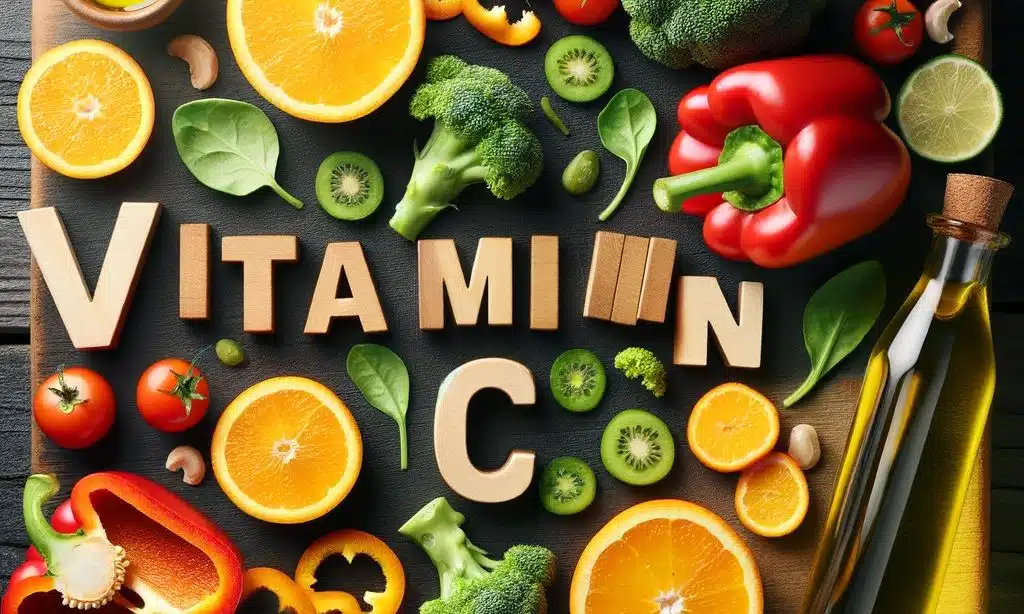
Citrus fruits, strawberries, kiwi, broccoli, tomatoes, red and green peppers, baked potatoes, fortified juices and cereals.
11. Vitamin D
Key Roles
- Bone health: aids calcium absorption for growth and density
- Cell growth regulation
- Immunity
- Brain and nervous system functioning
Deficiency Risks
Rickets in kids, osteoporosis in adults, frequent infections, depression and bone pain.
Top Food Sources
Sunlight exposure (not a food, but our skin produces it), fatty fish like salmon and tuna, cod liver oil, fortified milk and plant-based milk, eggs and mushrooms.
12. Vitamin E
Key Roles
- Antioxidant: protects cells against damage.
- Immunity enhances immune cell signaling.
- DNA repair
- Healthy blood vessels
Deficiency Risks
Nerve and muscle damage, vision loss, weakened immunity and poor blood flow.
Top Food Sources
Plant oils like wheat germ, sunflower, safflower, nuts like almonds, seeds, avocado, spinach, broccoli, kiwi and tomato.
13. Vitamin K
Key Roles
- Blood clotting activates proteins for coagulation.
- Bone health
Deficiency Risks
Excessive bleeding from wounds, easy bruising, weak and brittle bones.
Top Food Sources
Leafy greens like spinach, kale and lettuce; broccoli; Brussels sprouts; prunes; soybean oil; meat; eggs; and whole grains.
Conclusion
Achieving your required daily vitamin intake should not be a complicated process if your diet includes sufficient whole, minimally processed and balanced foods. Intentionally eating foods rich in each of the 13 essential vitamins regularly enhances your micronutrient status to support optimal health and functioning. Supplemental forms also offer insurance for those at higher deficiency risk.
Frequently Asked Questions
1. Why are vitamins necessary?
Vitamins support various essential biochemical reactions, antioxidant protection, immunity, growth, development and functioning of our brains, bones, skin and more. Without adequate intake over time, we develop preventable deficiencies.
2. Can’t our bodies make vitamins themselves?
No, humans lack the ability to synthesize the 13 essential vitamins our bodies require for optimal health, so we must obtain them from external food sources. However, gut bacteria make some vitamins like folate and vitamin K.
3. What happens if I lack certain vitamins?
Inadequate dietary vitamin intake over long periods leads to disorders associated with the roles they support. Deficiencies manifest as vision problems, anemia, birth defects, wounds not healing, bone disorders and frequent sickness, among other issues.
4. How do I know if I’m vitamin deficient?
Some early signs, like consistent fatigue, ill health, flaky skin, frequent bruising or slow wound repair, may indicate deficiency. Getting blood work done to determine levels provides a more definitive assessment for supplementation if they are low