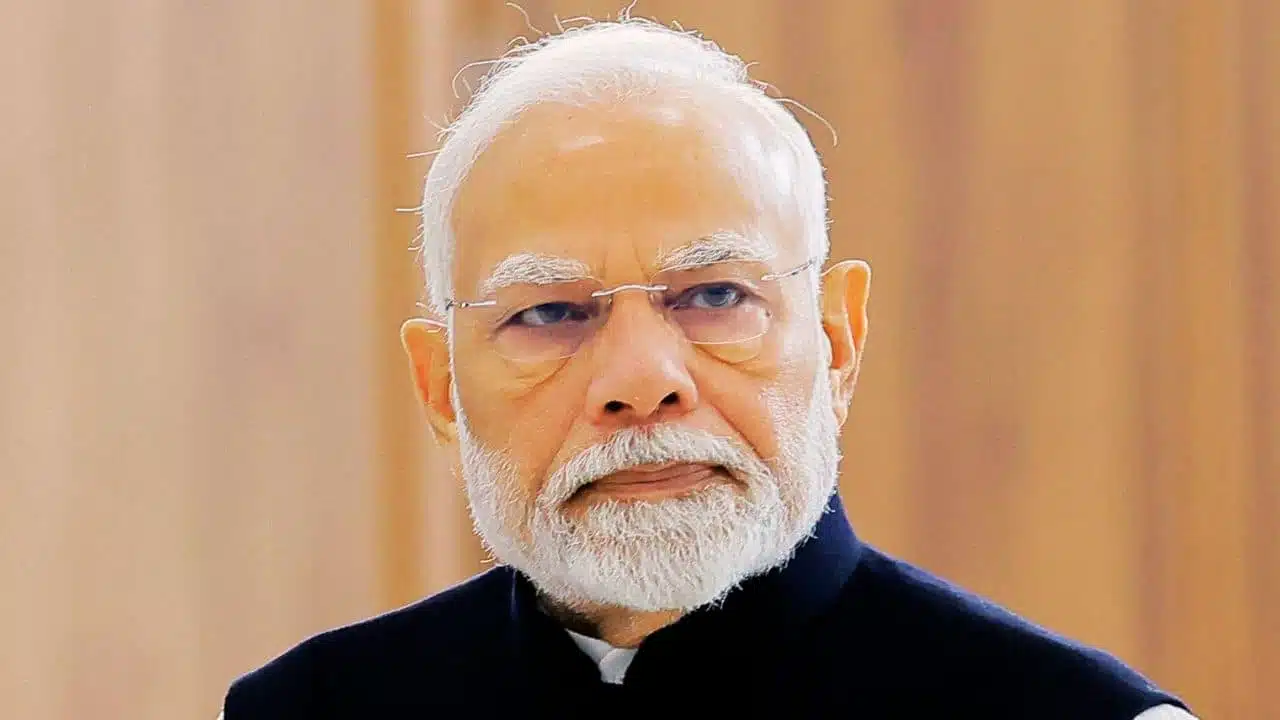
Prime Minister Narendra Modi will not be physically attending the 47th ASEAN Summit in Kuala Lumpur this week, opting instead for a virtual address. While the official reason points to domestic priorities, including the Diwali festival and state elections, intense diplomatic and political speculation suggests a calculated move to avoid a potentially fraught in-person meeting with US President Donald Trump.
Key Facts & Quick Take
- What: PM Modi is skipping the in-person 47th ASEAN-India and 19th East Asia Summits in Kuala Lumpur, Malaysia (October 26-28, 2025).
- Who: Modi will attend the ASEAN-India summit segment virtually. External Affairs Minister (EAM) Dr. S. Jaishankar will lead the Indian delegation at the related meetings, including the East Asia Summit (EAS).
- Official Reason: Malaysian PM Anwar Ibrahim confirmed Modi cited ongoing Deepavali (Diwali) celebrations. Indian officials also cite “scheduling conflicts” and preparations for the critical Bihar state elections.
- Political Analysis: The move is widely seen as a diplomatic maneuver to avoid US President Donald Trump, who is attending. Relations are strained over US tariffs and Trump’s “mercurial” public statements on sensitive bilateral issues.
A Calculated Absence: The Official Story vs. Diplomatic Chatter
The decision for Prime Minister Modi to stay in New Delhi, announced just days before the summit, has set diplomatic circles abuzz. This absence is particularly notable given Modi’s strong record of personal attendance at ASEAN summits, which he has treated as a cornerstone of his ‘Act East’ policy.
The Official Rationale: Diwali and Domestic Priorities
Officially, the reasoning is straightforward. Malaysian Prime Minister Anwar Ibrahim, the 2025 ASEAN Chair, posted on X (formerly Twitter) about a “warm conversation” with Modi.
“[Modi] informed me that he will attend it virtually due to the ongoing Deepavali celebrations in India at that time. I respect his decision and extend my Deepavali greetings to him and all the people of India,” Ibrahim stated.
This official line is bolstered by a packed domestic calendar. The Prime Minister is heavily involved in campaigning for the high-stakes Bihar state assembly elections, a critical test for his ruling BJP.
The Trump Factor: Avoiding a “Mercurial” Encounter
However, these official reasons are being overshadowed by a more compelling geopolitical narrative: the presence of US President Donald Trump.
India’s opposition Congress party was blunt. “The reason why Mr. Modi is not going is simple,” tweeted Congress general secretary Jairam Ramesh. He just doesn’t want to be cornered by President Trump who will also be there.
Diplomatic analysts, speaking anonymously, tend to agree. An analysis in The Diplomat noted that a face-to-face meeting with the “mercurial and unpredictable” Trump is a “huge risk” for the Indian leader.
Bilateral relations have been strained. Key frictions include:
- Punitive Tariffs: The Trump administration’s steep tariffs on Indian exports remain a major unresolved issue.
- Public Claims: Trump has repeatedly and publicly claimed credit for mediating conflicts between India and Pakistan (what he has referred to as “Operation Sindoor”) and has claimed he forced New Delhi to cut back on Russian oil.
For a leader who has cultivated a strongman image, a live, televised encounter where Trump might repeat these claims is seen as a high-risk, low-reward event.
Is This a Snub to ASEAN? Analyzing the ‘Act East’ Policy
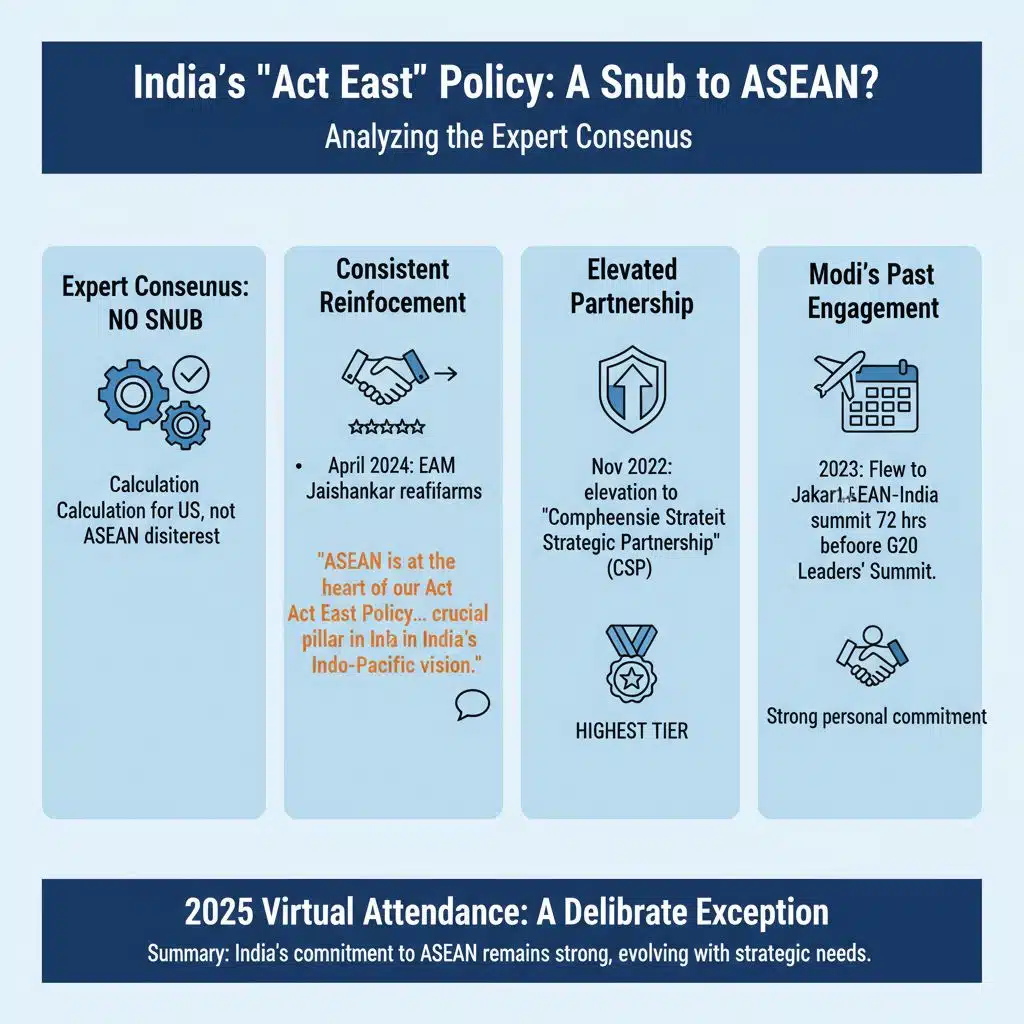
A key question is whether this move undermines India’s ‘Act East’ policy. The short answer from experts is no. The consensus is that this is a calculation regarding a third country (the US), not a signal of declining interest in ASEAN.
India’s commitment to the 10-nation bloc has been consistently reinforced. In April 2024, EAM S. Jaishankar, who will now lead the delegation, reiterated this cornerstone of Indian foreign policy:
“ASEAN is at the heart of our Act East Policy and is a crucial pillar in India’s wider Indo-pacific vision. We support ASEAN unity, centrality and the ASEAN Outlook on Indo-Pacific.”
— Dr. S. Jaishankar, Indian External Affairs Minister
This commitment was cemented in November 2022, when the relationship was formally elevated to a “Comprehensive Strategic Partnership” (CSP), the highest tier of partnership ASEAN offers.
Furthermore, Modi’s past actions demonstrate the priority he places on the summit. In 2023, he flew to Jakarta for the ASEAN-India summit for a whirlwind visit just 72 hours before hosting the historic G20 Leaders’ Summit in New Delhi. This history of strong personal engagement makes the 2025 virtual attendance a stark, and clearly deliberate, exception.
The Data Story: The $123 Billion Relationship on the Line
While the diplomatic drama focuses on Trump, the substantive India-ASEAN story is about trade. The data reveals a relationship that is both massive and deeply imbalanced, explaining where India’s true focus lies.
1. The Good: Soaring Bilateral Trade
India-ASEAN economic ties are booming. Total bilateral trade has grown significantly over the last decade.
- FY 2014-15: $76.52 billion
- FY 2024-25: $123 billion (approx)
This represents an increase of over 60%, solidifying ASEAN as one of India’s largest and most critical trading partners.
2. The Bad: A Widening Trade Deficit
The problem lies in the details. The 2010 AITIGA free trade pact has disproportionately benefited ASEAN nations, leading to a massive and politically sensitive trade deficit for India.
- FY 2016-17: India’s trade deficit with ASEAN was $9.66 billion.
- FY 2022-23: The deficit ballooned to $43.57 billion.
This $43.57 billion deficit is one of India’s largest with any trading bloc, driving an urgent push from New Delhi to renegotiate the terms of the agreement.
3. The Real Battleground: The AITIGA Review
This trade imbalance is why the real diplomatic action is not at the Kuala Lumpur summit. It is at the concurrent negotiations over the AITIGA review.
The 10th Meeting of the AITIGA Joint Committee was held in New Delhi in August 2025. The committee is tasked with making the agreement “more trade-facilitative and mutually beneficial.” These complex negotiations—covering rules of origin, customs procedures, and non-tariff barriers—are the real economic priority for India.
In this context, sending the External Affairs Minister—a seasoned and tough negotiator—to lead the delegation while the Prime Minister manages domestic politics (and avoids a diplomatic sideshow) may be the most strategic move of all.
What to Watch Next
As PM Modi delivers his virtual address from New Delhi, all eyes will be on EAM Jaishankar in Kuala Lumpur.
- The EAS Encounter: Jaishankar will be in the room for the East Asia Summit with Donald Trump. Any interaction, or lack thereof, will be heavily scrutinized.
- The AITIGA Talks: The immediate follow-up to the summit will be the progress of the AITIGA review. A successful, balanced renegotiation is far more critical to India’s long-term “Act East” success than a single summit photo-op.
- The Trump Reaction: The world will be waiting to see if President Trump comments, either at the summit or on social media, about the Indian Prime Minister’s conspicuous in-person absence.
Ultimately, the story of the Modi skipped ASEAN summit in Malaysia is a classic example of modern, multi-layered diplomacy. It’s a calculated decision where domestic political compulsions (Diwali, elections) provide a convenient and plausible cover for a sharp-edged geopolitical maneuver to manage a volatile and crucial bilateral relationship with Washington, all while the real economic heavy-lifting continues behind the scenes.