


Many beauty lovers are now searching for greener skincare options. K-Beauty and J-Beauty are answering the call with sustainable practices shaping their products. This blog will explore *why K-beauty and J-beauty are going green* and the trends leading this shift.
Keep reading to discover how these innovations impact your skin and the planet!
The Rise of Eco-Friendly Beauty in K-Beauty and J-Beauty
K-Beauty and J-Beauty have embraced sustainable practices to meet growing consumer preferences for green beauty. The cosmetics industry in the Asia-Pacific region now drives 67% of global market growth, reflecting a shift toward eco-conscious choices.
Brands like Melixir, inspired by cruelty-free ideals since 2014, lead this movement with natural ingredients and clean beauty products.
The COVID-19 pandemic amplified awareness about health and environmental issues, pushing consumers to demand changes in skincare routines. Holistic Korean beauty and Japanese skincare focus on preventive care while prioritizing sustainability.
This transformation highlights the industry’s commitment to reducing its impact on the environment through innovations like cleaner formulas and ethical sourcing methods.
Trend #1: Sustainable Packaging Innovations
Brands are rethinking their product designs to minimize waste and protect the planet. They use creative methods to replace plastic with eco-friendly materials in beauty packaging.
Biodegradable and reusable materials in product design
K-Beauty and J-Beauty brands are embracing biodegradable materials to cut waste. Many use compostable alternatives that break down naturally, reducing landfill impact. Melixir’s recycling campaign highlights efforts in sustainable packaging by promoting reusable designs.
The Me:cycle initiative has helped decrease CO₂ emissions by around 950 kg since its launch.
Refillable products have also gained attention for extending product lifecycles. Reusable containers lower waste while offering convenience for consumers focused on green beauty practices.
These innovations align with demands for clean beauty and support eco-conscious skincare routines globally.
Trend #2: Clean Beauty Ingredients
Brands now favor plant-based extracts like Centella Asiatica and Gotu Kola for their soothing properties. These formulas focus on promoting skin health while being eco-conscious.
Emphasis on natural, cruelty-free, and vegan formulations
Korean skincare brands increasingly focus on clean beauty with natural, cruelty-free, and vegan formulations. Melixir leads the way by offering 100% vegan skincare since 2018. In 2022, nearly 21% of new Korean skincare products launched as vegan cosmetics.
Popular ingredients like Centella Asiatica and Houttuynia Cordata enhance skin health while maintaining ethical standards.
Younger consumers drive this shift by researching product ingredients before buying. Nearly half of Gen Z shoppers prioritize sustainable practices in their beauty care choices. This demand has pushed companies to innovate without animal testing or synthetic additives.
Trend #3: Waterless Beauty Products
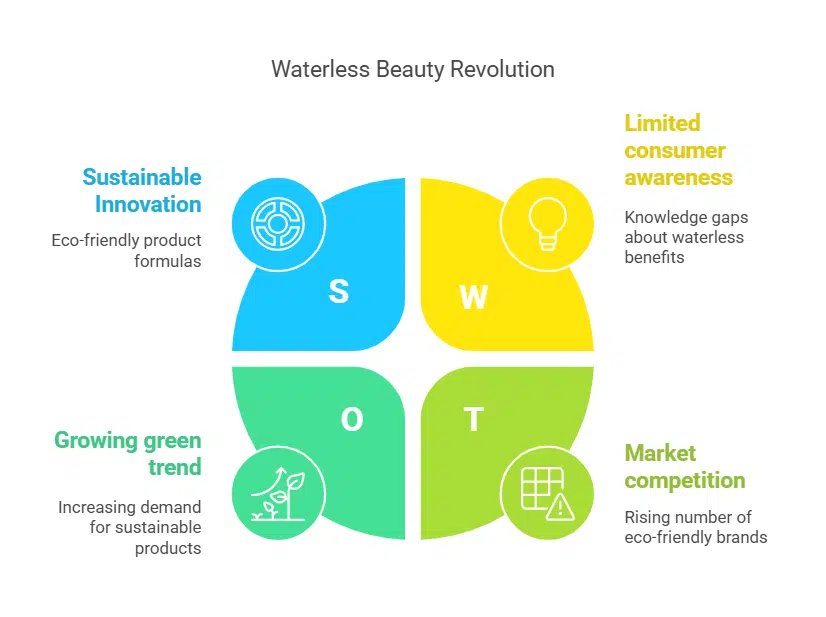
Brands are crafting concentrated formulas like solid face wash and powdered skincare to cut water use—read on to see how this trend reshapes the cosmetic industry.
Reducing water usage in skincare and cosmetics production
Beauty companies now create waterless products to cut down on water consumption. These formulas use concentrated natural ingredients like asiatic pennywort, boosting skin health while saving resources.
Water-free options include powders, bars, or solid cleansers like face wash and sunscreen. Such packaging often reduces size and eliminates unnecessary plastic waste.
This shift allows the cosmetic industry to embrace sustainable practices without compromising product quality. Both K-Beauty and J-Beauty brands support this green beauty trend with clean beauty options that are vegan and cruelty-free.
As a result, consumers get effective skincare routines while lessening environmental impact altogether.
Trend #4: Ethical Sourcing of Ingredients
Brands focus on sourcing materials responsibly to protect ecosystems and local communities. They aim for fairness, ensuring suppliers benefit from ethical business practices.
Transparency in acquiring raw materials and fair trade practices
Fair trade practices ensure farmers receive fair wages and work in safe environments. Many K-Beauty and J-Beauty brands adopt these methods, focusing on sustainable farming and clear supply chains.
By investing in ethical sourcing, they promote better working conditions while fostering trust with consumers seeking clean beauty.
The South Korean government supports cosmetics R&D aimed at sustainable raw materials. This initiative helps brands reduce environmental impacts while maintaining skin health standards.
Companies like Lush and The Body Shop lead by example, incorporating natural ingredients under ethical guidelines to meet global green beauty demands.
Trend #5: Minimalist Skincare Routines
Simpler skincare routines are taking over, focusing on fewer products that deliver maximum benefits. This shift highlights efficiency while promoting better skin health with less effort.
Fewer products with multi-functional benefits
Skinminimalism has shifted focus to fewer, multi-functional products. Popular ingredients like niacinamide and vitamin C target multiple skin concerns in one formulation. Tretinoin, known for its anti-aging properties, also improves acne and uneven texture.
J-Beauty brands lead with all-in-one options such as Senka Perfect Gel Night, which hydrates, repairs, and brightens overnight.
Korean research shows high-intensity ultrasound boosts product absorption. This advancement supports using fewer items without compromising skin health. Minimalist routines save time while reducing waste from excess packaging.
The approach aligns perfectly with sustainable beauty trends prioritizing eco-friendly practices and natural ingredients.
The Role of Consumer Demand in Driving Green Beauty
Consumers are driving a shift in green beauty through their changing preferences. Gen Z prioritizes natural ingredients, cruelty-free claims, and sustainable practices in makeup and skincare routines.
A 2023 report revealed that many U.S. buyers prefer products aligning with these values. In South Korea, 35% of people are willing to pay more for eco-friendly options.
Government policies also reflect this demand by introducing stricter sustainability laws. Younger shoppers influence brands to adopt clean beauty trends like vegan cosmetics or refillable packaging solutions.
This push has made sustainable beauty a vital focus for companies worldwide.
How K-Beauty and J-Beauty Brands are Leading the Charge
K-Beauty brands are setting trends with rapid innovation like oil serums, tone-up creams, and peeling pads. They focus on combining cutting-edge technology with sustainable practices.
Many companies now use natural ingredients and emphasize clean beauty to improve skin health while reducing harm to the environment.
J-Beauty brands prioritize simplicity by promoting minimalist skincare routines. Their innovations include probiotic products and items catering to older demographics. This practical approach aligns sustainability with consumer needs, helping them maintain global influence in sustainable beauty trends.
The Global Influence of Sustainable Asian Beauty Practices
Asian beauty practices have reshaped green beauty worldwide. Korean and Japanese brands combine natural ingredients, clean beauty methods, and sustainable packaging. Their transparency in sourcing raw materials sets an example for ethical manufacturing globally.
Events like the 2025 in-cosmetics Global showcased these efforts through the “Sustainability Zone,” attracting attention to eco-friendly innovations.
These sustainable strategies influence skincare routines everywhere. Minimalist trends from Asia encourage fewer products with multi-functional benefits while supporting skin health.
Retailers adopt similar marketing strategies by valuing efficacy and affordability over excess consumption. Asian brands continue driving changes that reshape modern beauty standards on a global scale.
Challenges and Opportunities for K-Beauty and J-Beauty in Sustainability
K-Beauty faces criticism due to its heavy use of plastic packaging. Brands must shift to sustainable practices while keeping their unique appeal. Minimalist skincare trends offer opportunities for multi-functional products with less waste.
Custom cosmetics regulations can support personalized solutions, helping align with clean beauty standards.
J-Beauty’s growing popularity creates competition but also pushes innovation in green beauty efforts. Misleading claims about eco-friendliness remain a challenge for both industries, impacting consumer trust.
Promoting small and medium-sized enterprises (SMEs) could enhance global competitiveness by adopting ethical sourcing and natural ingredients in manufacturing.
Key Takeaways on the Future of Green Beauty
Green beauty is shaping the future of skincare. K-Beauty and J-Beauty lead with sustainability, clean ingredients, and minimalism. Their focus on eco-friendly innovation sets a global example.
Consumer demand continues to push brands to adopt ethical practices. This shift promises healthier skin and a healthier planet for everyone.
Takeaways
K-Beauty and J-Beauty are proving that sustainability can redefine skincare. By focusing on eco-friendly packaging, clean ingredients, and minimal routines, they push beauty toward a greener future.
These trends show how brands respond to consumer demand without sacrificing quality or innovation. As more people embrace sustainable practices, these movements set a global example for change.
The shift is both inspiring and necessary for healthier skin and a healthier planet.
FAQs on Why K-Beauty And J-Beauty Are Going Green
1. Why are K-Beauty and J-Beauty brands focusing on green beauty?
Korean and Japanese beauty brands are adopting sustainable practices to meet growing demand for clean beauty. Consumers want natural ingredients that promote skin health while protecting the environment.
2. What makes sustainable beauty important in skincare routines?
Sustainable beauty emphasizes eco-friendly products made with safe, natural ingredients. These improve skin health without harming the planet or using harsh chemicals.
3. How do K-Beauty trends support sustainability?
K-Beauty focuses on green beauty by using recyclable packaging, sourcing natural ingredients, and creating skincare routines that prioritize long-term skin care benefits over wasteful habits.
4. What should I look for in clean beauty products from these markets?
Choose products with simple formulas, sustainable packaging, and a focus on improving skin health naturally—hallmarks of both K-Beauty and J-Beauty trends today.
























