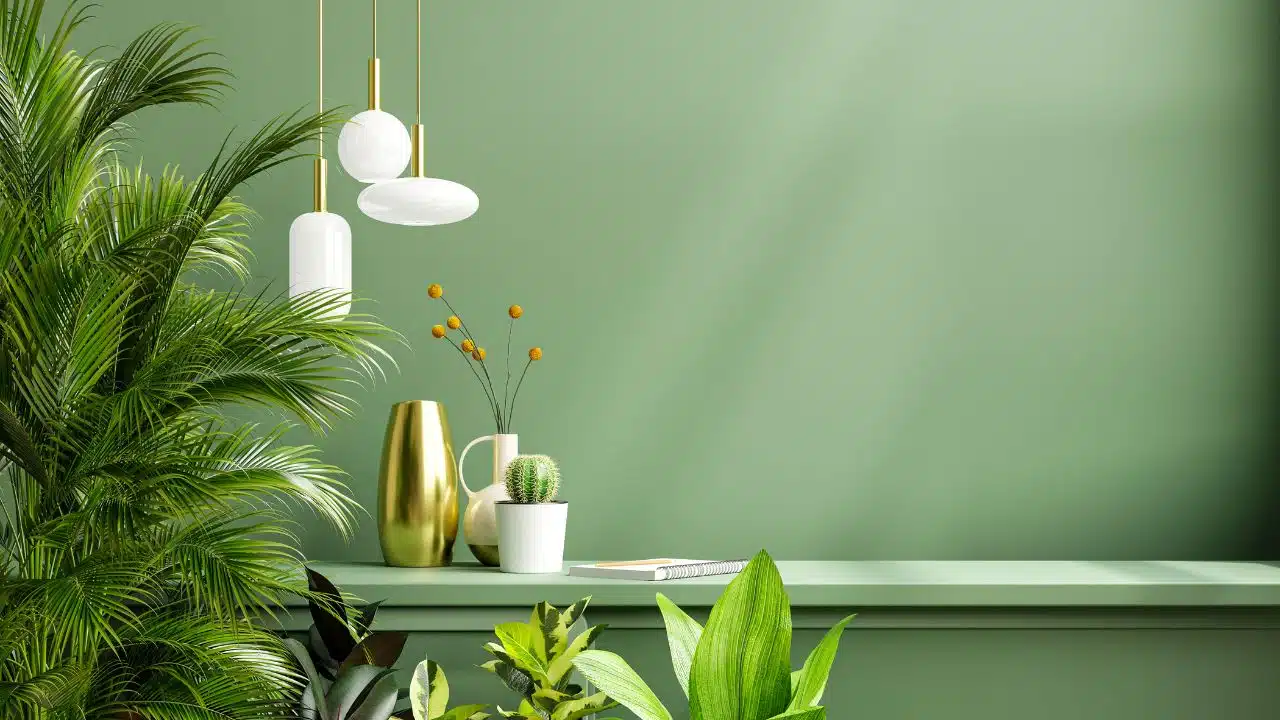
Green interior design is an approach to creating living spaces that prioritizes environmental sustainability, energy efficiency, and occupant well-being. This design philosophy focuses on using eco-friendly materials, reducing energy consumption, and minimizing the overall environmental impact of interior spaces.
By incorporating natural elements and sustainable practices, green interior design aims to create healthier, more comfortable environments while conserving resources and protecting the planet.
Key Principles of Green Interior Design
Sustainable Materials
One of the core aspects of green interior design is the use of sustainable materials. This includes:
- Recycled or reclaimed materials
- Rapidly renewable resources like bamboo
- Low-VOC (Volatile Organic Compound) paints and finishes
- Natural fibers for textiles and upholstery
By choosing these materials, designers can significantly reduce the environmental impact of their projects.
Energy Efficiency
Green interior design places a strong emphasis on energy conservation. This is achieved through:
- Maximizing natural light to reduce artificial lighting needs
- Installing energy-efficient LED lighting
- Using smart home technologies for optimal energy management
- Incorporating energy-efficient appliances and HVAC systems
Studies have shown that green buildings can reduce energy consumption by up to 25% compared to conventional buildings.
Water Conservation
Water-saving strategies are another crucial element of green interior design:
- Installing low-flow faucets and showerheads
- Using dual-flush toilets
- Implementing greywater systems for irrigation
- Choosing drought-resistant plants for indoor landscaping
Indoor Air Quality
Improving indoor air quality is a key benefit of green interior design:
- Using natural ventilation systems
- Incorporating air-purifying plants
- Selecting non-toxic materials and finishes
- Implementing proper humidity control
Research indicates that improved indoor air quality in green buildings can lead to a 8-11% increase in productivity.
Benefits of Green Interior Design
Environmental Impact
Green interior design significantly reduces the ecological footprint of buildings:
- Lowering greenhouse gas emissions
- Conserving natural resources
- Reducing waste through recycling and upcycling
- Promoting biodiversity through biophilic design elements
A study by the Green Building Council of Australia found that green-certified buildings produce 62% fewer greenhouse gas emissions than average Australian buildings.
Health and Well-being
The health benefits of green interior design are substantial:
- Improved indoor air quality
- Reduced exposure to toxic chemicals
- Enhanced natural lighting and connection to nature
- Better thermal comfort and acoustic performance
These factors contribute to improved physical and mental health for occupants, with some studies showing that patients in green hospital buildings heal faster.
Economic Advantages
While green buildings may have slightly higher initial costs, they offer significant long-term economic benefits:
- Lower energy and water bills
- Reduced maintenance costs
- Increased property value
- Higher occupancy rates for commercial buildings
Green buildings have reported almost 20% lower maintenance costs than typical commercial buildings.
Strategies for Implementing Green Interior Design
Biophilic Design
Incorporating nature into interior spaces is a key strategy in green design:
- Using natural materials like wood and stone
- Integrating indoor plants and green walls
- Maximizing views of nature
- Mimicking natural patterns and textures in design elements
Energy-Efficient Lighting
Proper lighting design can significantly reduce energy consumption:
- Maximizing natural daylight through strategic window placement
- Using LED lighting fixtures
- Implementing smart lighting controls
- Choosing light colors for walls and ceilings to enhance light reflection
Sustainable Furniture Selection
Choosing the right furniture is crucial in green interior design:
- Opting for pieces made from sustainable or recycled materials
- Selecting durable, long-lasting furniture to reduce waste
- Considering multifunctional furniture to maximize space efficiency
- Choosing locally-made furniture to reduce transportation emissions
Waste Reduction and Recycling
Minimizing waste is a core principle of green interior design:
- Implementing effective recycling systems
- Upcycling existing materials and furniture
- Choosing products with minimal packaging
- Designing spaces with future adaptability in mind to reduce renovation needs
The Future of Green Interior Design
As awareness of environmental issues grows, green interior design is becoming increasingly important. The global sustainable interior design market is expected to reach $100 billion soon, representing a 30% increase in just a few years7. This growth reflects a rising consumer demand for eco-friendly living spaces and a growing recognition of the health and economic benefits of sustainable design.
Emerging trends in green interior design include:
- Integration of smart home technologies for optimal energy management
- Use of advanced, sustainable materials like mycelium-based products
- Increased focus on circular design principles to minimize waste
- Greater emphasis on biophilic design to enhance well-being
Takeaways
Green interior design represents a holistic approach to creating living spaces that are not only beautiful and functional but also environmentally responsible and health-promoting.
By focusing on sustainable materials, energy efficiency, and occupant well-being, green interior design offers a path to more sustainable and comfortable living environments. As we face growing environmental challenges, the principles of green interior design will likely play an increasingly important role in shaping the spaces we inhabit.
| Aspect | Conventional Design | Green Design |
| Energy Use | Standard efficiency | 25-30% more efficient |
| Water Use | Standard fixtures | 15-20% less water consumption |
| Indoor Air Quality | Variable | Improved with low-VOC materials |
| Maintenance Costs | Standard | Up to 20% lower |
| Occupant Productivity | Baseline | 8-11% increase |
| Environmental Impact | Higher carbon footprint | Up to 62% lower emissions |
By embracing green interior design principles, we can create spaces that not only look good but do good – for our health, our wallets, and our planet.