

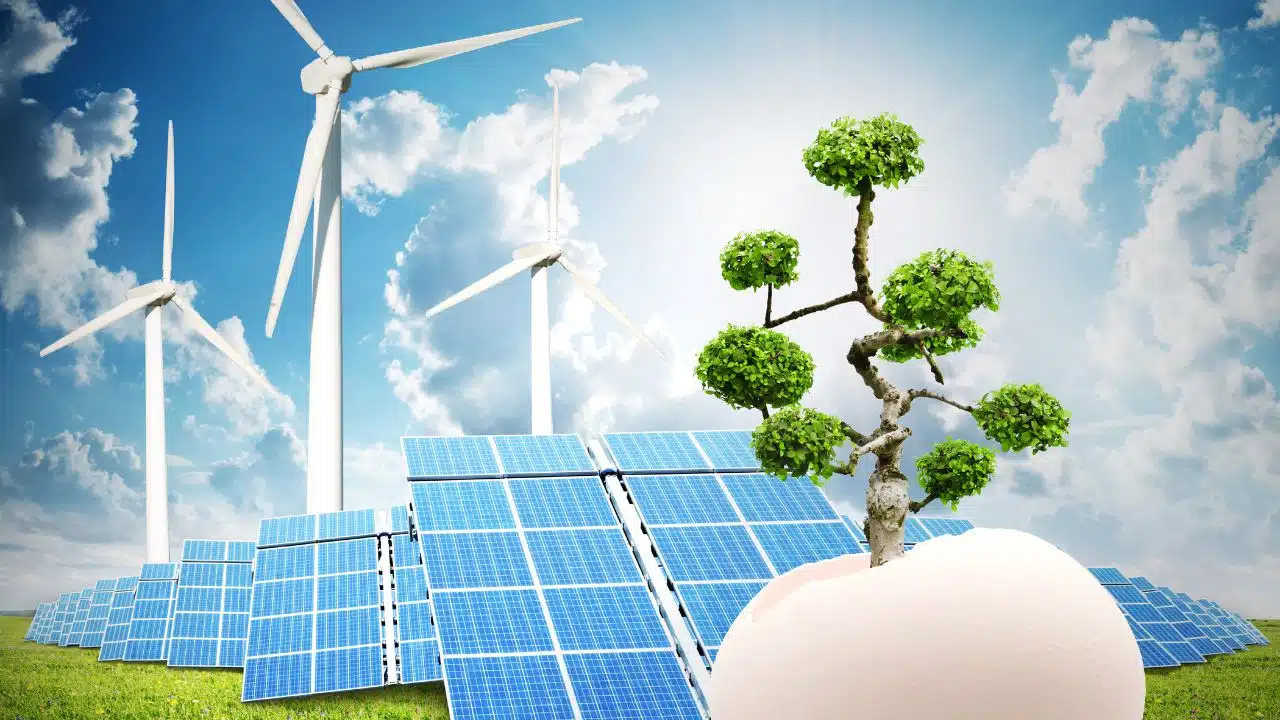
What is green energy technology? It is revolutionizing how we produce and consume energy, offering sustainable solutions to power the modern world while minimizing environmental impact.
This innovative field encompasses a variety of technologies that harness renewable resources like sunlight, wind, water, and geothermal heat to generate energy.
The Rise of Green Energy Technology
In recent years, green energy technology has experienced rapid growth and adoption worldwide. As concerns about climate change and environmental degradation intensify, governments, businesses, and individuals are increasingly turning to renewable energy solutions.
This shift is driven by both environmental consciousness and economic factors, as many green technologies become more cost-effective and efficient.
According to the International Renewable Energy Agency (IRENA), renewable energy capacity worldwide reached 3,372 GW by the end of 2022, with solar and wind power leading the expansion.
This represents a significant increase from 1,566 GW in 2013, more than doubling in just a decade. The trend shows no signs of slowing down, with projections indicating continued growth in the coming years.
What is Green Energy Technology?
Green energy technology encompasses a wide range of renewable energy solutions that are environmentally friendly and sustainable. Unlike traditional fossil fuels, which emit harmful greenhouse gases, green energy relies on natural resources that are continuously replenished.
These technologies include solar panels, wind turbines, hydropower systems, geothermal plants, and biomass converters.
Types of Green Energy Technologies
Green energy technology encompasses a wide range of systems and devices designed to harness renewable resources. Here are some of the most prominent types:
Solar Energy
Solar power technology converts sunlight into electricity using photovoltaic (PV) cells or concentrated solar power (CSP) systems. In 2022, solar energy generation increased by an impressive 26% compared to the previous year, contributing significantly to the renewable energy mix.
Solar PV has become increasingly efficient and cost-effective, with current silicon-based technologies achieving efficiencies of up to 26% and lifespans of 20-25 years.
Wind Energy
Wind turbines capture the kinetic energy of moving air to generate electricity. Wind power has seen substantial growth, with both onshore and offshore installations expanding rapidly. In 2023, wind energy accounted for 10.2% of total U.S. electricity generation, making it the largest renewable source after hydropower.
Hydropower
Hydroelectric systems harness the energy of flowing water to produce electricity. While it’s one of the oldest forms of renewable energy, innovations continue to improve its efficiency and environmental impact. In 2023, hydropower contributed 5.7% to the total U.S. electricity generation.
Geothermal Energy
This technology taps into the Earth’s internal heat to generate power and provide heating and cooling solutions. While geothermal energy currently accounts for a smaller portion of renewable energy production, its potential for growth is significant, especially with advancements in enhanced geothermal systems (EGS).
Biomass Energy
Biomass technology converts organic matter into usable energy through various processes, including combustion, gasification, and anaerobic digestion. While considered renewable, the environmental impact of biomass energy depends on the source and production methods used.
Innovations Driving Green Energy Technology
The field of green energy technology is characterized by constant innovation and improvement. Some cutting-edge developments include:
Advanced Solar Cells
Researchers are exploring new materials and designs to increase solar cell efficiency and reduce costs. Perovskite solar cells, for example, have achieved conversion efficiencies of over 25% in laboratory settings.
Floating Solar Farms (Floatovoltaics)
To address land use concerns, floating solar panels are being deployed on water bodies, combining energy production with water conservation benefits.
Bladeless Wind Turbines
These innovative designs aim to capture wind energy without the large blades of traditional turbines, potentially reducing noise and wildlife impacts.
Energy Storage Solutions
Advancements in battery technology, such as lithium-glass batteries, promise to enhance energy storage capacity and efficiency, addressing the intermittency issues of some renewable sources.
The Impact of Green Energy Technology
The adoption of green energy technologies has far-reaching implications for the environment, economy, and society:
Environmental Benefits
By reducing reliance on fossil fuels, green energy technologies help mitigate climate change and improve air quality. In 2022, renewable energy sources prevented the emission of 2.1 billion tonnes of CO2 globally.
Economic Opportunities
The renewable energy sector is a significant source of job creation. In 2022, the industry employed approximately 13.7 million people worldwide, with solar PV being the largest employer, accounting for 4.9 million jobs.
Energy Security
Diversifying energy sources through green technologies enhances energy security and reduces dependence on imported fossil fuels.
Technological Advancements
Research and development in green energy drive innovation across various sectors, leading to technological spillovers and economic growth.
Challenges and Future Outlook
Despite the rapid progress, green energy technologies face several challenges:
Intermittency
Many renewable sources, such as solar and wind, are variable in nature. Addressing this issue requires advanced energy storage solutions and grid management strategies.
Infrastructure Requirements
Transitioning to a renewable energy-based system necessitates significant investments in new infrastructure and grid upgrades.
Policy and Regulatory Frameworks
Consistent and supportive policies are crucial for the continued growth of green energy technologies.
The Future of Green Energy Technology
The future looks promising for green energy technology. The International Energy Agency (IEA) projects that renewables will account for 35% of global electricity generation by 2030. Nations worldwide are setting ambitious targets; for example:
- The European Union aims for 32% renewable energy by 2030.
- China plans to double its solar and wind capacity by 2025.
These goals highlight the growing recognition of green energy as a cornerstone of sustainable development.
Technological Limitations
While improving, some technologies still face efficiency and cost barriers that limit their widespread adoption.
Looking ahead, the future of green energy technology appears promising. The International Energy Agency (IEA) projects that renewable energy sources will account for 35% of global electricity generation by 2030. To achieve this, continued investment in research and development, supportive policies, and international cooperation will be essential.
Takeaways
what is green energy technology? It is the key to creating a cleaner, more sustainable future by leveraging renewable resources like sunlight, wind, water, and geothermal heat.
As these technologies continue to evolve and scale globally, they offer a viable solution to combat climate change while fostering economic growth and innovation. By embracing green energy technology today, we pave the way for a healthier planet tomorrow.





















