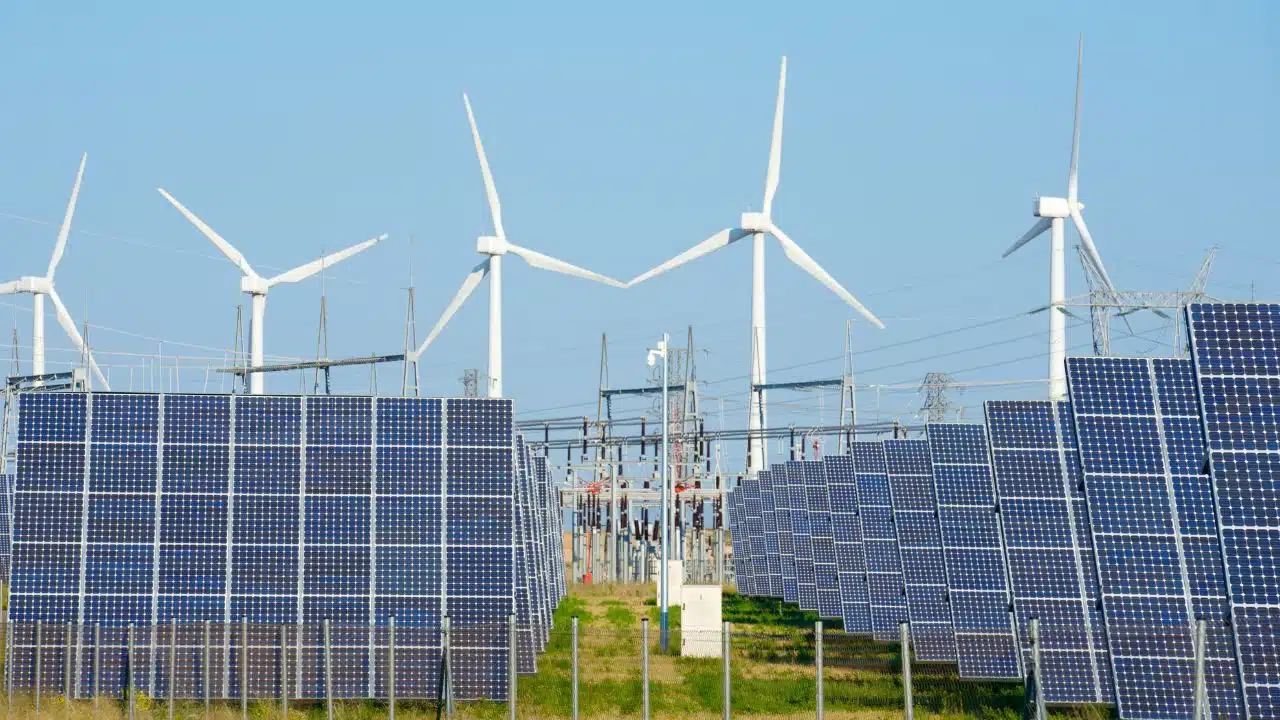
As the world continues its transition towards sustainable energy, the question of “what renewable energy is the best” has become increasingly important.
In 2025, the renewable energy landscape is more diverse and promising than ever before, with multiple clean power sources vying for dominance in the global energy mix. This article will explore the leading contenders, examining their strengths, challenges, and potential to shape our sustainable future.
The Current State of Renewable Energy
As of 2025, renewable energy sources have made significant strides in replacing fossil fuels and reducing global carbon emissions. According to the International Energy Agency (IEA), renewable energy is expected to meet more than 35% of global electricity demand by the end of the year. This remarkable growth is driven by advancements in technology, decreasing costs, and supportive government policies worldwide.
The renewable energy market has experienced substantial expansion, with its size estimated to reach USD 1226.76 billion in 2024 and projected to grow at a CAGR of 17.2% to USD 3.60 trillion by 2030. This growth is fueled by increasing environmental awareness, the need to reduce greenhouse gas emissions, and the economic benefits of clean energy technologies.
Comparing the Top Renewable Energy Sources
To determine which renewable energy source is the best, we must consider various factors such as efficiency, reliability, environmental impact, and economic viability. Let’s examine the leading contenders:
Solar Energy
Solar power has emerged as a frontrunner in the renewable energy race, with its capacity expected to reach 128.2 GW in the United States alone by the end of 2024. The technology’s rapid growth is attributed to several factors:
- Declining costs: Solar panel prices have dropped significantly, making it increasingly competitive with traditional energy sources.
- Versatility: Solar can be deployed at various scales, from residential rooftops to utility-scale solar farms.
- Low environmental impact: Solar energy produces no direct emissions during operation.
However, solar power faces challenges such as intermittency and the need for energy storage solutions to provide consistent power output.
Wind Energy
Wind power has shown impressive growth, with global capacity expected to reach 153.8 GW by the end of 2024. Key advantages of wind energy include:
- High efficiency: Modern wind turbines can convert up to 50% of wind energy into electricity.
- Offshore potential: Offshore wind farms can harness stronger and more consistent winds.
- Low land use: Wind turbines can coexist with agricultural activities, maximizing land utilization.
Challenges for wind energy include visual impact, potential wildlife effects, and the need for suitable wind conditions.
Hydropower
Hydroelectric power remains a significant player in the renewable energy mix, offering several benefits:
- Reliability: Hydropower provides a consistent and controllable energy source.
- Long lifespan: Hydroelectric facilities can operate for many decades with proper maintenance.
- Multi-purpose benefits: Dams can serve additional purposes such as flood control and irrigation.
However, the construction of large-scale hydropower projects can have significant environmental and social impacts, including habitat disruption and displacement of communities.
Geothermal Energy
Geothermal power, while less widespread than other renewables, offers unique advantages:
- Constant availability: Geothermal energy is not dependent on weather conditions.
- Small land footprint: Geothermal plants require relatively little surface area.
- Low emissions: Geothermal power produces minimal greenhouse gases during operation.
The main limitations of geothermal energy are its geographic constraints and high initial development costs.
Biomass Energy
Biomass, derived from organic materials, presents both opportunities and challenges:
- Versatility: Biomass can be used for electricity, heat, and fuel production.
- Waste reduction: It can help manage agricultural and forestry waste.
- Carbon neutrality: When sustainably managed, biomass can be carbon-neutral.
Concerns surrounding biomass include land use competition with food crops and potential air quality issues if not properly managed.
Evaluating the Best Renewable Energy Source
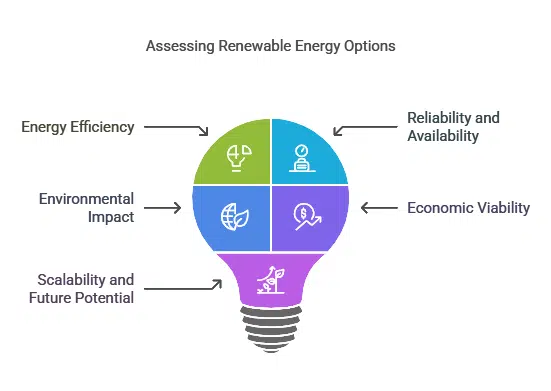
To determine which renewable energy source is the best, we must consider multiple criteria:
- Energy Efficiency
- Reliability and Availability
- Environmental Impact
- Economic Viability
- Scalability and Future Potential
Let’s examine how each major renewable energy source performs across these criteria:
| Criteria | Solar | Wind | Hydropower | Geothermal | Biomass |
| Energy Efficiency | Moderate | High | Very High | High | Moderate |
| Reliability | Moderate | Moderate | High | Very High | High |
| Environmental Impact | Low | Low | Moderate | Low | Moderate |
| Economic Viability | High | High | Moderate | Moderate | Moderate |
| Scalability | Very High | High | Limited | Limited | Moderate |
Based on this analysis, it’s clear that no single renewable energy source emerges as the definitive “best” option. Each has its strengths and weaknesses, and the optimal choice often depends on local conditions, resources, and energy needs.
The Case for a Diversified Renewable Energy Portfolio
Rather than seeking a single “best” renewable energy source, experts increasingly advocate for a diversified approach. A mix of renewable technologies can provide several advantages:
- Enhanced grid stability: Different renewable sources can complement each other, helping to balance supply and demand.
- Increased resilience: A diverse energy mix reduces vulnerability to disruptions in any single source.
- Optimized resource utilization: Different regions can leverage their most abundant renewable resources.
- Accelerated innovation: Competition among various technologies drives continuous improvement and cost reduction.
The International Renewable Energy Agency (IRENA) supports this view, emphasizing the importance of a balanced renewable energy portfolio in achieving global sustainability goals.
The Role of Energy Storage and Smart Grids
As renewable energy sources continue to grow, the development of energy storage technologies and smart grid systems becomes increasingly crucial. These advancements help address the intermittency challenges associated with solar and wind power, enabling a more stable and reliable renewable energy infrastructure.
Battery storage capacity is expected to reach 30.9 GW in the United States by the end of 2024, a significant increase from previous years. This growth in storage capabilities will play a vital role in maximizing the potential of renewable energy sources.
Future Trends and Innovations
Looking ahead, several trends are shaping the future of renewable energy:
- Floating solar and offshore wind: These technologies are expanding the potential for renewable energy generation in previously untapped areas.
- Green hydrogen: Produced using renewable electricity, green hydrogen could play a significant role in decarbonizing hard-to-abate sectors.
- Advanced materials: New materials are improving the efficiency and durability of renewable energy technologies.
- Artificial Intelligence and IoT: These technologies are optimizing renewable energy systems and improving grid management.
Takeaways
While each renewable energy source has its strengths, the answer to “What renewable energy is the best?” lies in a diversified approach. By leveraging a mix of solar, wind, hydropower, geothermal, and biomass energy, we can create a more resilient, efficient, and sustainable energy system.
As technology continues to advance and costs decrease, the potential for renewable energy to meet global energy demands grows ever stronger. The transition to a clean energy future requires ongoing investment, innovation, and collaboration across sectors and borders.
Ultimately, what renewable energy is the best depends on the specific location, taking into account local resources, energy needs, and environmental considerations. By embracing a diverse portfolio of renewable technologies, we can work towards a more sustainable and prosperous future for all.