Dealing with slow drains or gurgling noises? You’re not alone. Many homeowners face sewer line problems without even knowing it. These issues can sneak up on you, causing big headaches if left unchecked.
Did you know that tree roots are a leading cause of sewer backups? They grow into pipes, crack them, and clog the flow. But this is just one piece of the puzzle. In this post, we’ll break down common causes and show you six warning signs to watch for.
Stay ahead of costly repairs by spotting these hints early. Read on to protect your home!
Common Causes of Sewer Line Backups
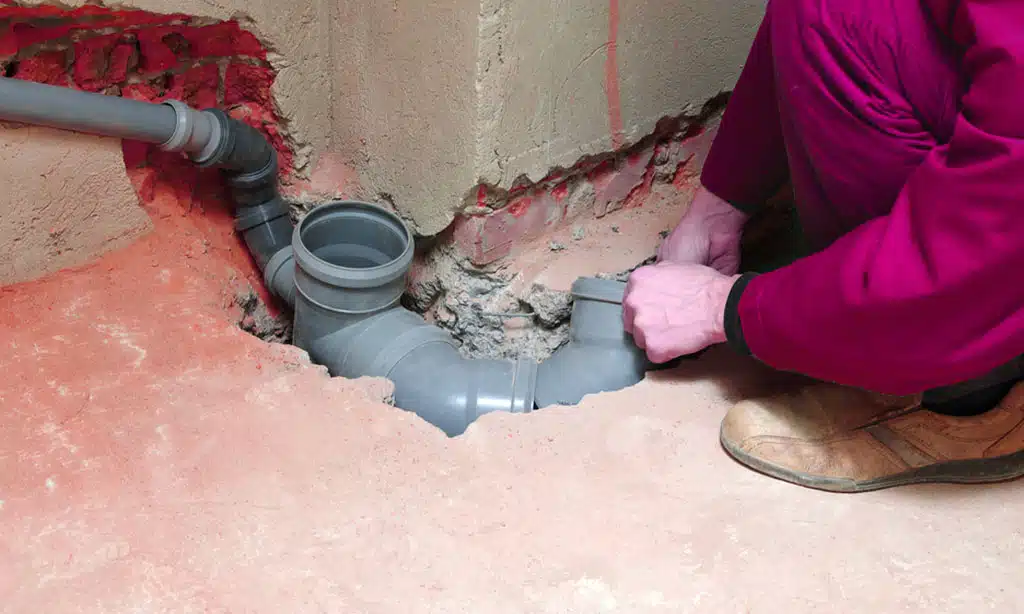
Sewer backups can happen for many reasons, leaving a big mess. Some causes might surprise you and need quick fixes before they get worse!
Blocked or Clogged Pipes
Grease, hair, or debris can block a sewer pipe fast. Once blocked, water can’t flow freely. This causes backups in sinks, toilets, or showers. Tree roots squeezing into the pipes make things worse by catching more waste and growing inside the lines.
A single clump of grease can lead to years of trouble if left unchecked.
Slow drains across your home often mean clogged pipes. Gurgling noises and foul odors are other red flags. Without cleaning or repairs, pressure builds up behind these clogs. This may lead to burst sewer pipes or messy water damage around your property.
Tree Root Intrusion
Tree roots search for water and can sneak into small cracks in sewer pipes. Over time, they grow bigger and block the flow. This causes a mainline backup in your plumbing system. Roots love older pipes, especially clay ones, but no pipe is safe.
Signs of root trouble include slow drains and gurgling noises from your toilet bowls or bathtubs. You might also see standing water in the yard where roots have broken through a pipe.
Pipe damage from roots often leads to sewage backup or unpleasant odors near drains. A sewer line inspection can catch this problem early before it worsens.
Damaged or Collapsed Sewer Pipes
Broken pipes can lead to big problems. Cracks, corrosion, or ground shifts cause sewer lines to collapse. These issues block the pipe, stopping waste from flowing properly. Over time, raw sewage may back up into sinks or showers.
Heavy rain makes it worse by putting pressure on weakened pipes. Sinkholes or standing water in your yard often point to collapsed sewer lines. Sewer line inspection helps find these problems early before backup and damage get out of hand.
Heavy Rainfall or Flooding
Heavy rains can overwhelm sewer systems. Excess water floods pipes, causing backups. This leads to standing water in basements or crawl spaces. Backflow prevention devices may fail during heavy storms.
Sump pumps might stop working if overloaded.
Flooding pushes debris into sewer lines, creating clogs or blockages. Sewage backup becomes more likely when the mainline can’t handle the load. Puddles and sinkholes often form in yards near affected areas, signaling a big problem underground.
Aging Sewer Systems
Old sewer systems can cause big problems. Pipes weaken with time, leading to cracks or breaks. Materials like clay or cast iron, used in the past, often fail now. Rust and corrosion make these pipes vulnerable to collapse.
Leaky joints in aging pipes let tree roots sneak in. These roots grow fast and clog the main sewer line. Sewage backup becomes more likely as blockages build up over years without maintenance or repairs.
Municipal Sewer Issues
Problems in the municipal sewer system can cause backups. When main sewer lines are blocked, waste can’t flow properly. This leads to backflow into homes and businesses. Heavy rain overwhelms these systems too, causing flooding and standing water.
Aging infrastructure is another issue. Broken pipes or leaks strain the system further. Tree roots can also invade city sewer lines near residential areas, making matters worse for homeowners.
Regular inspections of drainage systems help spot trouble early before it spreads.
Six Warning Signs of Sewer Line Backups
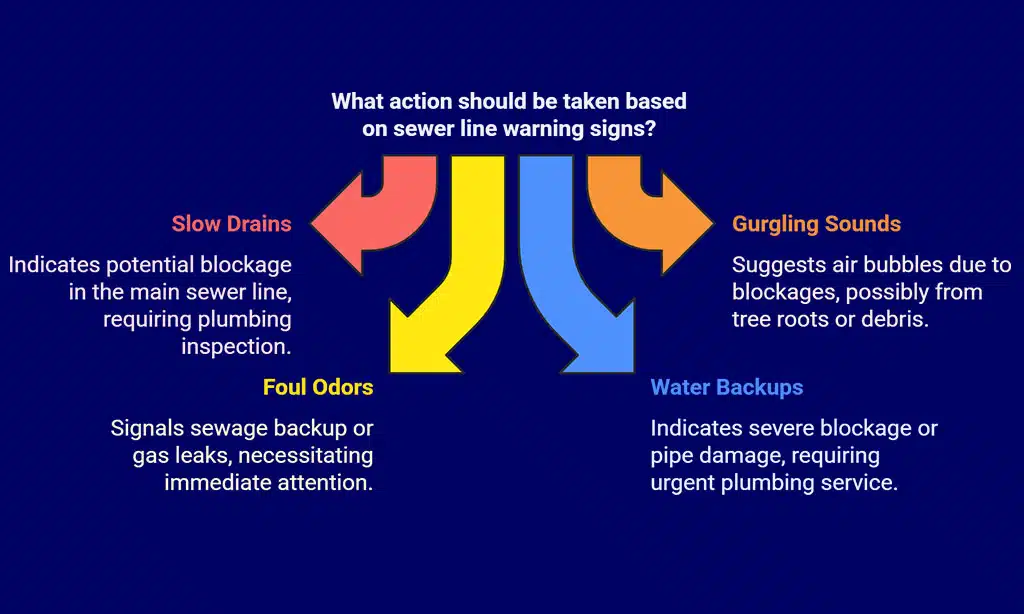
Spotting sewer problems early can save money and headaches. Keep an eye out for these issues before they get worse.
Slow Drains Throughout the Property
Water draining slowly is a big red flag. It could mean your main sewer line has a blockage. All drains in the house—like sinks, showers, and toilets—may start acting up at the same time.
Clogged pipes often happen when grease, hair, or waste buildup causes trouble.
Tree roots can also sneak into pipes below ground and block flow. Standing water might appear in tubs or sinks after flushing a toilet. Ignoring this issue can lead to full-blown sewage backups.
Call plumbing services for a sewer line inspection before things get worse!
Gurgling Sounds in Toilets or Drains
Strange gurgling noises in toilets or drains hint at sewer line trouble. These sounds happen when air bubbles form due to a clogged pipe or sewer backup. Blockages caused by tree roots, grease, or debris often trap air and create this noise.
If ignored, the issue can grow worse. Sewer gas might escape, leaving a foul odor around your home. Slow drains may follow, signaling more serious plumbing issues ahead. Call a licensed plumber for an inspection to stop bigger problems like sewage backup or standing water later on.
Foul Odors Coming from Plumbing Fixtures
Bad smells from plumbing fixtures often mean trouble. These odors may signal a sewage backup in your system. Sewer gas escaping through drains can carry foul odors into your home. A clogged pipe or block in the main sewer line could be the cause.
Grease, hair, and waste buildup also lead to these unpleasant smells. If you smell something near sinks or toilets, it might point to a bigger problem like pipe damage or tree roots invading pipes.
Ignoring such odors can worsen the issue and lead to costly repairs later on.
Water Backups in Sinks or Showers
Water pooling in sinks or showers signals trouble. Clogged pipes or a sewer line blockage often causes this. Wastewater has no place to flow, so it backs up into fixtures. This can happen with the main sewer line due to grease, hair, or tree roots.
Toilets may overflow if backups worsen. Standing water might have a foul odor too. Ignoring backups could lead to sewage spilling inside your home. A plumbing inspection and cleaning help identify and fix the problem fast.
Unusual Lawn or Landscape Changes
Patches of grass growing faster or greener than the rest can mean trouble. A leaking sewer pipe underground might be feeding it extra nutrients. This can also lead to soggy soil, standing water, or smelly puddles in your yard.
In severe cases, sinkholes may form from broken pipes beneath the surface. Tree roots searching for moisture often invade these cracks, causing even more damage to your sewage system.
These signs call for a sewer line inspection right away.
Foundation Cracks or Structural Concerns
Cracks in walls or floors can signal sewer line trouble. Water from a broken sewer pipe may seep into the foundation. This can weaken the structure over time, leading to severe damage.
Mold growth and dampness near cracks often follow standing water. These issues might also bring foul odors inside your home. A fast sewer line inspection helps avoid bigger structural problems later on.
Takeaways
Sewer backups can cause big problems. Blocked pipes, tree roots, or old systems are common culprits. Slow drains and bad smells give early warnings. Catching issues fast saves money and stress.
Regular inspections help keep your plumbing healthy. Don’t wait—call a licensed plumber if you notice these signs!
FAQs
1. What causes sewer line backups?
Sewer line backups often happen due to clogged pipes, tree roots invading the main sewer line, or pipe damage from shifting soil or aging plumbing systems.
2. How can I tell if my sewer line is blocked?
Watch for slow drains, gurgling noises in your pipes, standing water near cleanout pipes, foul odors, or basement flooding.
3. Can tree roots really cause a backup?
Yes! Tree roots naturally grow toward moisture and can invade broken sewer pipes or small cracks in the mainline, leading to blockages.
4. Is mold growth a sign of a sewer problem?
Mold growth might mean there’s pipe damage causing leaks behind walls. Excess moisture from damaged drainage systems allows mildew and mold to spread quickly.
5. Should I call a plumber if sewage backs up into my home?
Absolutely! Sewage backup is serious and needs immediate attention from licensed plumbers offering services like drain cleaning or trenchless pipe repair.
6. How do I prevent future sewer issues?
Regular maintenance like septic tank pumping, backflow prevention with valves, smoke testing inspections of your sanitary system, and timely repairs help avoid costly problems later on.