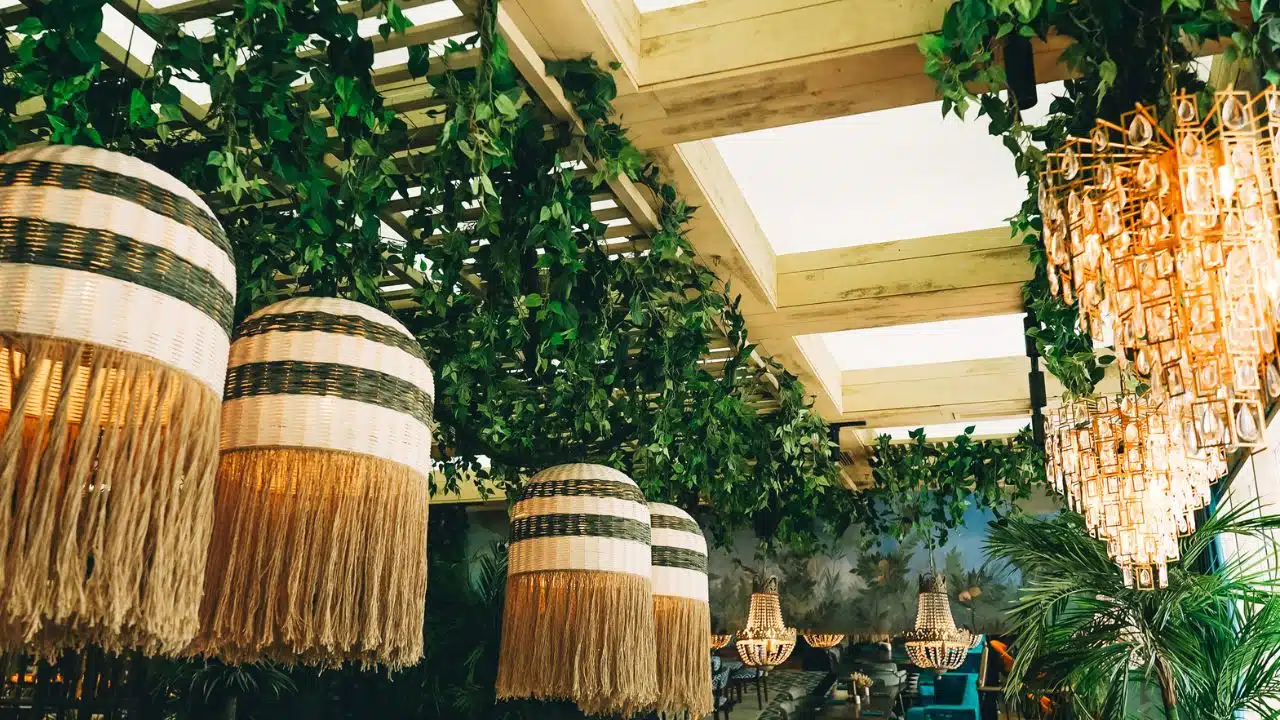
Sustainable design refers to the development of products, buildings, or systems in ways that reduce their environmental impact and promote the efficient use of resources. The core idea is to meet the needs of the present without compromising the ability of future generations to meet their own needs.
By integrating ecological, economic, and social considerations, sustainable design aims to create a harmonious balance between human activities and the environment.
The Core Principles of Sustainable Design
Sustainable design revolves around several key principles, each of which contributes to creating environmentally friendly solutions. These principles include minimizing resource consumption, maximizing energy efficiency, and fostering social equity. Below, we delve into the most essential concepts that form the foundation of sustainable design.
1. Energy Efficiency
One of the primary goals of sustainable design is to reduce energy consumption. This involves:
- Using renewable energy sources such as solar, wind, or geothermal.
- Designing buildings and systems to optimize natural lighting and ventilation.
- Employing energy-efficient technologies, such as LED lighting and advanced insulation materials.
According to the International Energy Agency, energy-efficient designs could reduce global energy consumption by 40% by 2040, underscoring the importance of incorporating this concept into all design projects.
2. Resource Conservation
Resource conservation focuses on reducing the consumption of natural resources, including water, timber, and minerals. Strategies include:
- Utilizing recycled or reclaimed materials.
- Incorporating water-saving technologies, such as low-flow faucets and rainwater harvesting systems.
- Designing modular or adaptable products to extend their lifecycle.
3. Waste Reduction
Minimizing waste is a key component of sustainable design. It involves designing products and systems that:
- Are durable and repairable to avoid early disposal.
- Use materials that are biodegradable or recyclable.
- Follow a circular economy model, where waste is repurposed into new products.
A 2023 report from the World Economic Forum highlighted that adopting circular design principles could reduce global waste by 30% by 2030.
4. Life Cycle Assessment (LCA)
Sustainable design incorporates a life cycle assessment to evaluate the environmental impact of a product or system from cradle to grave. This process considers:
- Raw material extraction.
- Manufacturing and transportation.
- Usage and end-of-life disposal or recycling.
LCA provides a comprehensive understanding of a design’s ecological footprint, helping designers make informed decisions.
5. Biophilic Design
Biophilic design integrates nature into built environments to improve human well-being and promote sustainability. Examples include:
- Green roofs and vertical gardens.
- Natural materials like wood and stone.
- Designs that encourage outdoor interactions and preserve natural ecosystems.
Studies show that biophilic design can enhance productivity by 15% and reduce stress levels, making it a valuable concept for both residential and commercial spaces.
6. Social Equity and Inclusivity
Sustainable design also considers the social impact of a product or project. Key elements include:
- Ensuring affordability and accessibility for diverse populations.
- Promoting fair labor practices and ethical sourcing of materials.
- Designing community-focused spaces that foster collaboration and inclusivity.
7. Resilience and Adaptability
Resilient design ensures that systems can withstand and recover from environmental challenges, such as extreme weather events. This involves:
- Using materials resistant to climate-related wear and tear.
- Designing flexible spaces that can adapt to changing needs over time.
- Incorporating backup systems, like renewable energy storage, to enhance reliability.
8. Systems Thinking
Sustainable design adopts a systems thinking approach to consider the interconnectedness of various components. For example:
- Designing buildings that integrate energy, water, and waste management systems.
- Creating urban plans that promote sustainable transportation options, such as biking and public transit.
Benefits of Sustainable Design
Sustainable design offers numerous advantages, including:
- Environmental Protection: Reduced carbon footprint, resource conservation, and waste minimization.
- Economic Savings: Lower operational costs due to energy-efficient technologies and reduced resource consumption.
- Social Well-Being: Improved living and working conditions through biophilic and inclusive designs.
Key Statistics and Case Studies
- Statistical Insight: Buildings account for 40% of global energy consumption and 33% of greenhouse gas emissions. Sustainable design can significantly mitigate these impacts.
- Case Study: The Bullitt Center in Seattle, often referred to as the “Greenest Commercial Building in the World,” showcases sustainable design concepts, including net-zero energy and water systems.
Final Thoughts
Sustainable design is more than a trend; it’s a necessity for ensuring a viable future for our planet. By embracing energy efficiency, resource conservation, waste reduction, and social equity, designers can create solutions that benefit both humanity and the environment.
As consumers and stakeholders demand greener practices, sustainable design will undoubtedly play a pivotal role in shaping the world of tomorrow.