
Building a fulfilling and loving relationship requires more than just grand gestures or saying “I love you” every day.
One of the most powerful, yet often overlooked, ways to strengthen a relationship is by actively practicing gratitude. Showing appreciation and thankfulness can transform the way you and your partner connect, fostering a positive and uplifting environment.
Let’s explore 10 meaningful ways you can practice gratitude in your relationship, each with practical tips to keep the flame of appreciation alive.
Why Practicing Gratitude is Essential in Relationships?
Gratitude has a profound effect on relationships, helping individuals to feel more valued, cherished, and supported. When partners focus on expressing appreciation, they create an atmosphere of mutual respect, understanding, and positivity.
Practicing gratitude helps to counterbalance negative emotions, reduce resentment, and even improve communication. As we dive into the specific ways to practice gratitude in your relationship, keep in mind that consistency and sincerity are key.
10 Ways to Practice Gratitude in Your Relationship
Let’s take a look!
1. Verbalize Your Appreciation

One of the simplest ways to practice gratitude is to speak it out loud. Verbal appreciation lets your partner know exactly how much they mean to you and affirms their place in your life.
- Compliment Them Regularly: Small compliments about their appearance, personality, or actions can brighten their day. Let them know you’re grateful for who they are, and not just what they do for you.
- Acknowledge Efforts, Big and Small: Whether it’s preparing a meal, taking care of household tasks, or simply being a good listener, make it a point to acknowledge and thank them for these acts.
- Be Sincere and Specific: Rather than generic phrases, focus on specific things you admire. Instead of saying, “Thanks for everything,” try, “Thank you for always making me laugh when I’m stressed.”
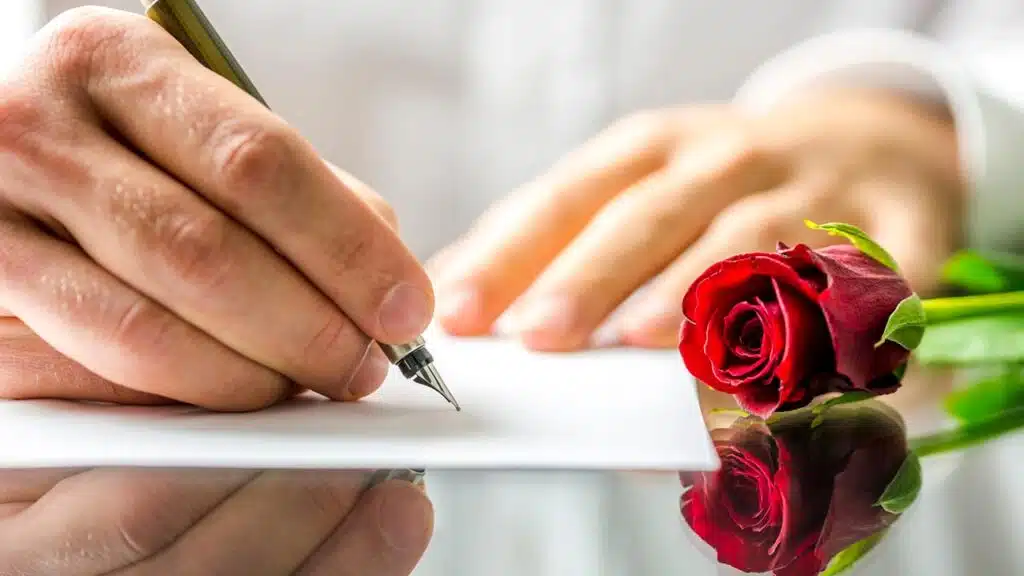
2. Write Love Notes or Letters
There’s something special about receiving a handwritten note or letter. Taking the time to write down your thoughts can be a beautiful way to express gratitude that your partner can cherish.
- Leave Surprise Notes: Tuck little notes in places where they’ll find them—inside a lunchbox, wallet, or even in the car. Simple messages like, “Thinking of you!” or “You make my days brighter” can be incredibly uplifting.
- Write Letters for Special Occasions: For birthdays, anniversaries, or just because, write a letter to your partner reflecting on your journey together and all the reasons you are grateful for them.
- Create a ‘Gratitude Jar’: Leave notes in a jar throughout the year. At the end of each year or on a special occasion, open it together to reflect on all the little moments you appreciated.
3. Show Physical Affection
Physical affection can be a powerful tool for expressing gratitude without words. Small acts of touch can reassure your partner and remind them of your love and appreciation.
- Hug More Often: Research shows that physical touch like hugging releases oxytocin, which increases feelings of bonding. Make it a habit to hug and hold each other, even on regular days.
- Give Thoughtful Touches: Hold their hand while walking, give a gentle touch on the shoulder, or cuddle when watching a movie together. These small gestures can go a long way in expressing gratitude.
- Use Touch as a Reassurance: During difficult conversations or moments of stress, a gentle touch or embrace can convey a deep sense of empathy and gratitude for their presence.
4. Practice Active Listening
Listening is an underrated but incredibly powerful way to show gratitude. By listening attentively, you validate your partner’s feelings, needs, and experiences.
- Put Away Distractions: When your partner speaks, give them your full attention. Put away your phone, make eye contact, and show them they have your undivided attention.
- Acknowledge Their Feelings: Reflect back what you hear to show you understand. Use phrases like “I understand why you feel that way” or “That sounds difficult. I’m here for you.”
- Be Patient and Empathetic: Avoid interrupting or offering solutions too quickly. Simply let them share and express gratitude that they feel comfortable confiding in you.
5. Create Special Rituals Together

Rituals or routines shared between partners can strengthen the connection and offer consistent reminders of gratitude.
- Establish a Morning or Evening Routine: Whether it’s enjoying a cup of coffee together in the morning or winding down with a nightly chat, make time for each other daily.
- Celebrate Milestones: Mark anniversaries, personal achievements, or small relationship wins together. Make it a tradition to reflect on your shared journey and appreciate each other’s role in it.
- Weekly or Monthly Date Nights: Even in long-term relationships, regular date nights can help rekindle romance and appreciation. Schedule time to celebrate each other and escape from routine responsibilities.
6. Offer Acts of Service
Actions often speak louder than words, and by doing things for your partner, you’re showing gratitude in a tangible way.
- Help with Chores: Take over a chore or responsibility that your partner usually handles, especially on busy or stressful days. Doing so shows you appreciate their hard work.
- Make or Bring Their Favorite Treat: Whether it’s a morning coffee, a surprise lunch, or a favorite dessert, small acts of service can communicate deep gratitude.
- Support Their Hobbies or Passions: Show appreciation for what makes them unique by engaging in or supporting their interests, even if they’re different from your own.
7. Compliment Them in Public
Publicly recognizing your partner not only boosts their self-esteem but also shows them that you’re proud and grateful for who they are.
- Praise Them in Front of Friends or Family: Share your appreciation for something they’ve done or a quality you admire when you’re in social settings.
- Acknowledge Their Hard Work on Social Media: Every now and then, a heartfelt post about your partner can mean a lot. It doesn’t have to be grand—just a quick mention can make them feel valued.
- Celebrate Their Achievements: When they accomplish something big or small, celebrate it with friends or family to show your pride and gratitude for their efforts.
8. Reflect on Positive Memories Together
Taking time to look back on cherished memories can remind both of you of the joys and love you share.
- Create a Photo Album or Memory Scrapbook: Put together pictures, mementos, and notes from your journey together. Going through these memories can rekindle feelings of appreciation.
- Have “Memory Nights”: Dedicate an evening to reminisce. Look through old photos, watch videos, or revisit places that hold significance.
- Tell Stories of Your Favorite Moments: Remind each other of past experiences, challenges overcome, or funny situations you shared. Express gratitude for how those moments strengthened your bond.
Building a future together fosters gratitude by focusing on shared goals and dreams. This process helps both partners feel seen and valued.
- Discuss Future Aspirations: Talk about where you see yourselves in the coming years. Sharing aspirations encourages gratitude for a shared vision and strengthens commitment.
- Set Relationship Goals Together: Whether it’s traveling, buying a home, or simply growing as a couple, having shared goals reinforces the value of your partnership.
- Support Each Other’s Individual Goals: Encourage your partner’s personal aspirations, even if they differ from your own. By supporting their dreams, you express gratitude for who they are and what they want to achieve.
10. Express Appreciation Through Kindness and Patience
In any relationship, patience and kindness are essential. Showing kindness in your everyday interactions can make your partner feel appreciated.
- Stay Calm During Arguments: It’s normal to disagree, but how you handle conflict can greatly impact your relationship. Express appreciation for each other’s perspectives and avoid letting anger take over.
- Celebrate the Little Victories: When your partner accomplishes something small—like sticking to a goal or overcoming a challenge—recognize it. Expressing happiness for their growth shows you value their efforts.
- Practice Small Gestures Daily: A simple “thank you” for the little things they do or a thoughtful gesture when they’re feeling down can have a big impact. These small acts of kindness remind your partner of how much you care.
Conclusion
Gratitude is a powerful practice that can uplift and transform any relationship. By intentionally expressing appreciation, partners cultivate a loving and supportive environment where both feel valued.
Remember, practicing gratitude isn’t about grand gestures; it’s about the small, everyday actions that reinforce love and respect.
Embrace these 10 ways to practice gratitude, and watch your relationship grow stronger, more resilient, and deeply fulfilling.