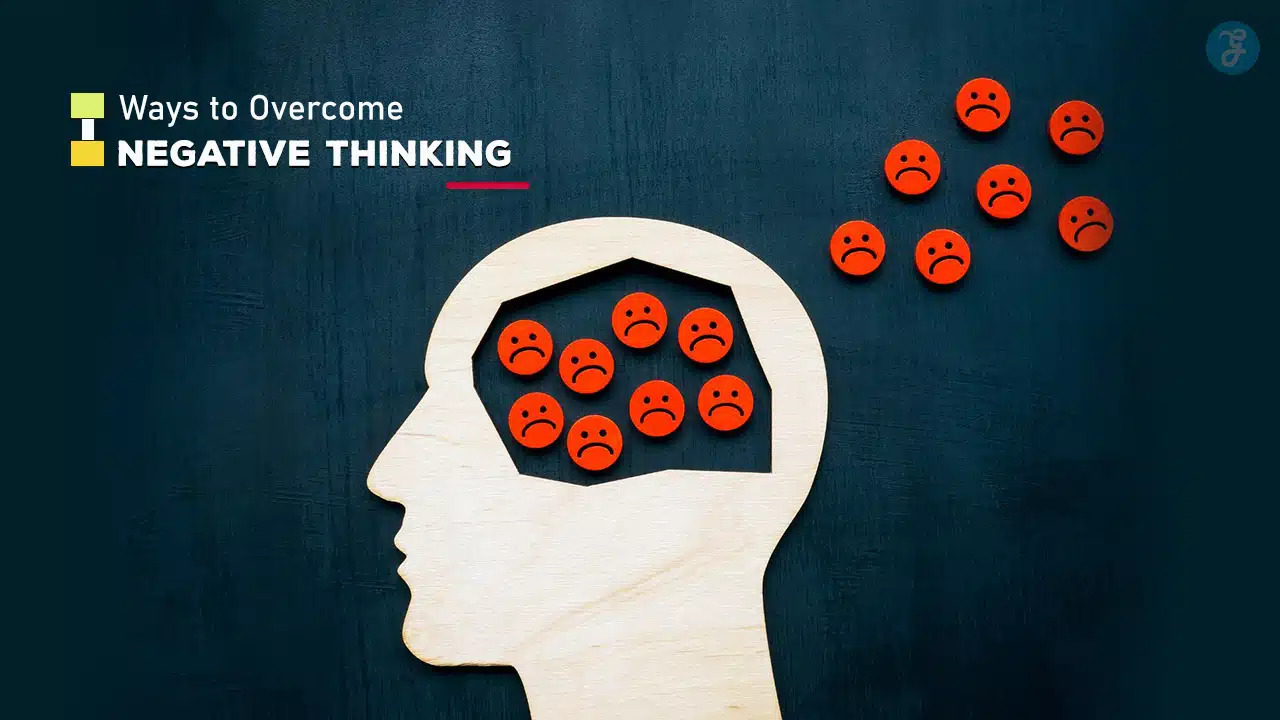
Negative thinking can quietly seep into our minds, shaping how we see ourselves, others, and the world around us. It’s a pattern many of us face, often without realizing how much it impacts our daily lives, relationships, and well-being. While it’s normal to have occasional negative thoughts, persistent negativity can lead to stress, anxiety, and even physical health issues.
The good news Overcoming negative thinking is entirely achievable with practical strategies that foster a more positive outlook. This guide will explore eight effective ways to tackle negative thought patterns, offering insights into how these approaches can make a meaningful difference in our mental and emotional health.
1. Recognizing Negative Thought Patterns
The Importance of Self-Awareness
The first step in overcoming negative thinking is recognizing it. Self-awareness helps us identify when we’re slipping into unhelpful mental habits. People may experience different types of negative thought patterns, like catastrophizing, personalizing, or overgeneralizing situations. Understanding these patterns can empower us to challenge them.
Common Negative Thought Patterns
| Types of Negative Thinking | Description |
|---|---|
| Catastrophizing | Imagining the worst possible outcome in a situation |
| Overgeneralizing | Making broad assumptions based on a single event |
| Black-and-White Thinking | Viewing things as either all good or all bad |
| Personalizing | Blaming oneself unnecessarily for external events |
2. Practicing Mindfulness and Staying Present

Mindfulness as a Tool for Positive Thinking
Mindfulness is the practice of staying present and fully experiencing the moment without judgment. Studies show that mindfulness reduces stress and boosts emotional resilience, making it an effective tool for overcoming negative thinking.
Techniques for Practice Mindfulness
- Breathing Exercises: Focused breathing helps calm the mind and brings attention back to the present.
- Body Scans: This technique involves paying attention to each part of your body, helping release tension and grounding you in the current moment.
- Mindful Observation: Observing your surroundings in detail allows you to experience the present without judgment.
Over time, practicing mindfulness can reshape how the mind processes thoughts, helping reduce negative patterns.
3. Challenging Negative Beliefs with Rational Thinking
Using Cognitive Behavioral Techniques
Cognitive behavioral therapy (CBT) is a widely used approach for managing negative thought patterns. One core technique in CBT is reframing, which encourages us to question negative thoughts and replace them with more balanced perspectives.
Steps for Challenging Negative Beliefs
- Identify the Negative Thought: Recognize the thought causing distress.
- Question the Evidence: Evaluate the truth of the thought. Is there substantial evidence to support it?
- Reframe the Thought: Replace it with a balanced, realistic perspective.
For instance, if a person thinks, “I always fail at everything,” they could challenge this belief by identifying recent achievements, creating a more accurate and positive self-view.
4. Surrounding Yourself with Positive Influences
The Impact of Environment on Thoughts
Our environment, including the people around us, can greatly influence our mindset. Studies indicate that being around positive individuals helps reduce stress and boosts self-confidence.
Building a Supportive Network
To foster positivity, focus on spending time with people who inspire and support you. This could include friends, family, or mentors who encourage growth and share a constructive outlook on life. Additionally, following positive influencers online or engaging in communities focused on well-being can make a difference.
5. Embracing Gratitude and Positive Affirmations

The Science Behind Gratitude
Gratitude is more than just a feel-good exercise; it’s scientifically proven to enhance emotional resilience and overall happiness. When we focus on what we’re thankful for, it shifts our mindset away from negativity and promotes an optimistic outlook.
Practical Gratitude Exercises
- Gratitude Journaling: Write down three things you’re grateful for each day to foster a habit of appreciation.
- Positive Affirmations: Repeating affirmations such as “I am capable and resilient” can replace self-doubt with confidence over time.
Creating a daily gratitude practice has been shown to not only increase mental well-being but also help individuals maintain a more positive outlook on life.
6. Engaging in Regular Physical Activity
Physical Activity and Mental Health
Exercise is a powerful tool against negativity. Physical activity releases endorphins, the “feel-good” chemicals in the brain, which naturally uplift mood and reduce stress.
Types of Physical Activities to Reduce Negative Thinking
| Activity Type | Description |
|---|---|
| Aerobic | Running, cycling, and swimming boost endorphins |
| Yoga | Combines physical activity with mindfulness |
| Strength | Weightlifting can build confidence and resilience |
| Team Sports | Social interaction fosters positivity |
Even a short walk can provide a mental boost, creating a cycle of positivity that combats negative thinking.
7. Setting Small, Achievable Goals
Why Small Goals Matter:
Setting small, achievable goals provides a sense of accomplishment, which counteracts feelings of negativity. Achieving goals, even minor ones, reinforces a positive mindset and encourages continued progress.
Examples of Small, Positive Goals
- Daily Routines: Setting a simple goal like making the bed each morning can establish a sense of accomplishment.
- Personal Challenges: Trying new activities, like cooking a new recipe, can boost confidence.
- Wellness Goals: Drinking enough water or getting sufficient sleep daily enhances both physical and mental health.
These small victories build confidence, reducing the tendency to dwell on negative thoughts and focusing on constructive actions instead.
8. Seeking Professional Support When Needed?

The Value of Therapy and Counseling
Sometimes, overcoming negative thinking requires more than self-help strategies. Therapists and counselors are trained to help individuals manage negative thought patterns, offering tools and guidance for long-term improvement.
Types of Professional Support
- Cognitive Behavioral Therapy (CBT): Effective for reprogramming negative thought patterns.
- Mindfulness-Based Stress Reduction (MBSR): Focuses on mindfulness techniques to reduce stress.
- Group Therapy: Provides a supportive environment where individuals share and learn from each other.
Seeking help is a proactive step, and for many, it provides the tailored support they need to foster a positive outlook.
Conclusion
Negative thinking is a common hurdle, but with practical strategies and intentional shifts in mindset, it’s possible to cultivate positivity and resilience. By practicing mindfulness, challenging negative thoughts, setting achievable goals, and, when needed, seeking professional support, individuals can reshape their thinking patterns. Overcoming negativity takes time, effort, and self-compassion, but the journey is immensely rewarding, leading to greater mental well-being and a more fulfilling life.