Decentralization is revolutionizing industries worldwide, offering innovative solutions to some of the most pressing challenges. From finance and governance to healthcare and content creation, decentralization is eliminating intermediaries, enhancing transparency, and empowering individuals. This shift toward decentralized systems is solving real-world problems by making processes more efficient, secure, and democratic.
The impact of decentralization extends far beyond just technology and finance. It is reshaping how people interact, conduct business, and manage their assets, providing more control over data, money, and decision-making.
By leveraging blockchain and peer-to-peer (P2P) networks, decentralization fosters trust and efficiency, reducing the risk of fraud and censorship while democratizing access to crucial services.
In this article, we explore 10 ways decentralization is solving real-world problems and reshaping industries for the better.
Whether it’s through decentralized finance (DeFi), blockchain-powered governance, or secure digital identities, decentralization is proving to be a game-changer in addressing inefficiencies and inequalities.
Understanding Decentralization and Its Impact
Decentralization refers to the distribution of power, control, and decision-making from central authorities to a network of participants. Unlike centralized systems where a single entity holds control, decentralized networks operate on blockchain and peer-to-peer (P2P) structures. Key characteristics include:
- Autonomy – No single entity controls the system.
- Transparency – All transactions and activities are recorded and accessible.
- Security – Eliminates central points of failure, reducing hacking risks.
- Efficiency – Automates processes using smart contracts, reducing administrative overhead.
| Feature | Centralized Systems | Decentralized Systems |
| Control | Single entity (banks, corporations, governments) | Distributed among multiple participants |
| Security | High risk of breaches | More secure due to cryptographic encryption |
| Transparency | Limited access to information | Fully transparent, recorded on blockchain |
| Cost | Higher due to intermediaries | Lower transaction costs |
How Decentralization Solves Real-World Challenges
Decentralization enhances efficiency, security, and inclusivity across multiple sectors. It eliminates unnecessary intermediaries, reduces costs, and improves accessibility for underserved populations.
By providing more equitable access to resources and reducing corruption risks, decentralization plays a vital role in solving real-world problems across finance, healthcare, governance, and more.
10 Ways Decentralization Is Solving Real-World Problems
Decentralization is transforming industries and providing innovative solutions to some of the world’s most pressing challenges.
By distributing control and removing intermediaries, decentralized systems are empowering individuals, enhancing transparency, and creating more efficient, secure, and equitable platforms across sectors.
Here are 10 ways decentralization is solving real-world problems:
1. Financial Freedom with Decentralized Finance (DeFi)
Decentralized Finance (DeFi) is disrupting traditional banking by offering permissionless financial services without intermediaries like banks. DeFi platforms operate on smart contracts that automate transactions, providing a faster, cheaper, and more inclusive financial system.
Benefits of DeFi:
- Low-cost transactions – Eliminates bank fees and reduces costs.
- Borderless access – Anyone with an internet connection can use DeFi.
- Transparency – All transactions are recorded on a blockchain ledger.
- Accessibility – Provides financial services to the unbanked population.
| Feature | Traditional Finance | Decentralized Finance (DeFi) |
| Accessibility | Requires bank accounts | Available to anyone with internet |
| Fees | High intermediary costs | Low transaction fees |
| Control | Controlled by banks | Controlled by smart contracts |
| Transparency | Limited oversight | Fully auditable on blockchain |
Examples:
- Uniswap – A decentralized exchange (DEX) for trading cryptocurrencies.
- Aave – A decentralized lending and borrowing platform that eliminates middlemen.
- MakerDAO – A DeFi protocol governing the stablecoin DAI through community decisions.
2. Enhancing Privacy and Security with Blockchain
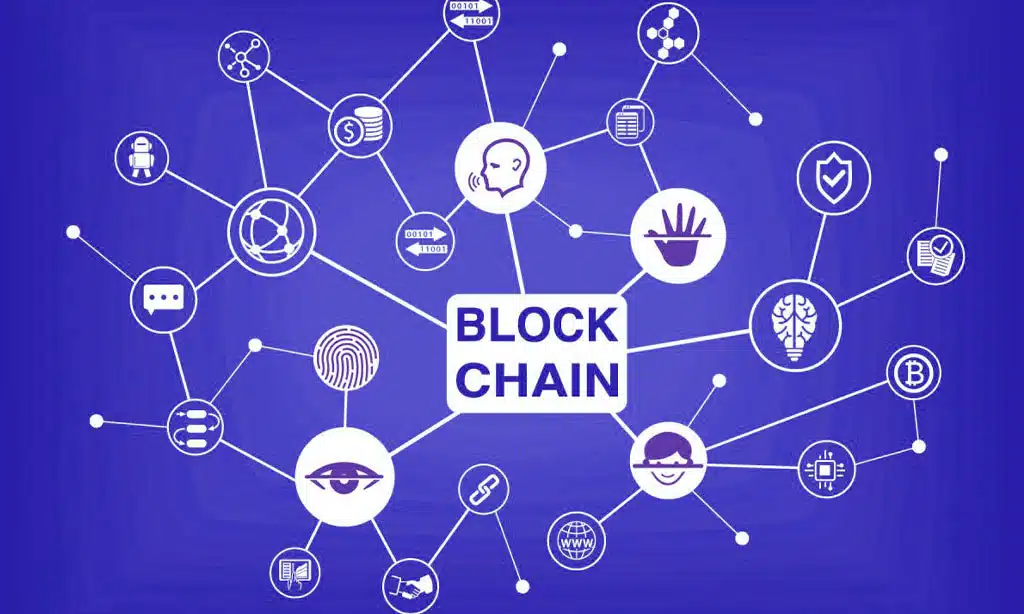
Cybersecurity threats are rising at an alarming rate, with cyberattacks becoming more sophisticated and frequent. Centralization creates single points of failure, leaving systems vulnerable to breaches, data loss, and disruptions.
Decentralization eliminates these vulnerabilities by distributing data across a blockchain, making it more resilient. By spreading data across multiple nodes, decentralized systems ensure that even if one part is compromised, the overall integrity remains intact.
This approach strengthens security, protects privacy, and enhances transparency, offering a more robust defense against evolving threats.
How Blockchain Enhances Security:
- Immutable records – Data cannot be altered once recorded.
- Cryptographic encryption – Enhances user privacy.
- No single point of failure – Reduces hacking risks.
- Decentralized data storage – Prevents unauthorized access.
| Security Feature | Centralized Systems | Decentralized Systems |
| Data Storage | Centralized servers | Distributed nodes |
| Hacking Risk | High | Lower due to blockchain encryption |
| Censorship | Possible | Virtually impossible |
Example: Estonia uses blockchain for secure digital identity management, ensuring citizens’ data remains tamper-proof.
3. Transparent and Fair Governance Through DAOs
Decentralized Autonomous Organizations (DAOs) are revolutionizing governance structures by enabling transparent decision-making processes. Unlike traditional organizations, DAOs operate on smart contracts, which are self-executing agreements with predefined rules and conditions. This eliminates the need for intermediaries or centralized authorities, reducing the potential for corruption.
With all decisions recorded on the blockchain and governed by code, DAOs ensure that actions are executed fairly and transparently, leaving no room for manipulation or bias. As a result, DAOs provide a more equitable and efficient framework for decision-making, offering greater accountability and participation for all stakeholders involved.
How DAOs Work:
- Smart contracts execute decisions based on community votes.
- Token-based governance allows users to participate in voting.
- No central authority – Power is distributed among stakeholders.
- Auditable actions – Every decision is recorded on-chain.
| Governance Feature | Traditional Organizations | Decentralized Organizations (DAOs) |
| Decision-making | Controlled by executives | Decided by token holders |
| Transparency | Limited | Fully recorded on blockchain |
| Corruption Risk | High | Lower due to automation |
Example:
- MakerDAO – Manages a decentralized stablecoin, DAI, with community governance.
- Aragon – Enables organizations to create decentralized governance structures.
4. Revolutionizing Supply Chain Management with Blockchain
Decentralization is transforming global supply chains by leveraging technologies like blockchain to enhance transparency and accountability. By distributing data across a network of independent nodes, decentralization ensures better traceability of goods, allowing stakeholders to track products from origin to delivery in real time.
This visibility helps reduce fraud, as every transaction is recorded on an immutable ledger, making it nearly impossible to manipulate information.
Additionally, decentralized systems streamline processes, reducing delays and minimizing the risk of errors, leading to greater efficiency and cost savings across the entire supply chain. As a result, businesses can improve trust with customers, optimize operations, and ensure the integrity of their supply chains.
Benefits of Blockchain in Supply Chain Management:
- Real-time tracking – Products can be traced from origin to destination.
- Fraud prevention – Reduces counterfeit goods through immutable records.
- Smart contracts – Automates supply chain processes and payments.
| Feature | Traditional Supply Chain | Blockchain-Based Supply Chain |
| Transparency | Limited visibility | Real-time, immutable tracking |
| Fraud Prevention | Prone to counterfeits | Reduces fake products |
| Efficiency | Manual verification required | Automated via smart contracts |
Example: Walmart uses blockchain technology to track food supply chains, reducing contamination risks and ensuring food safety.
5. Digital Identity and Personal Data Ownership
Centralized identity systems are increasingly vulnerable to breaches, as a single attack can compromise sensitive personal data stored in one central location. These systems also create risks of misuse, as users have limited control over how their information is accessed or shared. Decentralized identity solutions, however, empower individuals by giving them full control over their personal data.
By utilizing technologies like blockchain, decentralized identities allow users to manage and verify their information without relying on a central authority. This not only enhances security by eliminating single points of failure but also improves privacy, as users can choose when and with whom to share their data, ensuring greater transparency and reducing the risk of unauthorized access.
How Decentralized Identity Works:
- Self-sovereign identity (SSI) – Users manage their own identity.
- No third-party control – Prevents data misuse by corporations.
- Improved security – Reduces identity theft and fraud.
| Feature | Centralized Identity | Decentralized Identity |
| Control | Owned by third parties | Owned by individuals |
| Security | Susceptible to hacks | Highly secure with encryption |
| Privacy | Data shared without consent | User controls access |
Example: Microsoft’s ION project is creating a decentralized identity system on the Bitcoin blockchain.
6. Enabling Secure and Censorship-Resistant Communication
Decentralized messaging and social media platforms offer a revolutionary approach to communication by providing secure and uncensored alternatives to traditional, centralized platforms.
By leveraging blockchain and other decentralized technologies, these platforms distribute data across a network of nodes, ensuring that no single entity controls the information. This architecture enhances security by protecting user data from hacks and unauthorized surveillance, as there is no central server to target.
Additionally, decentralized platforms empower users with greater control over their content and privacy, preventing censorship and ensuring that free expression remains protected. As a result, these platforms foster open, secure, and reliable communication, promoting both privacy and freedom of speech.
Advantages:
- No censorship – Ensures freedom of speech.
- Enhanced privacy – No central authority collecting user data.
- Immutable records – Conversations remain tamper-proof.
| Feature | Centralized Platforms | Decentralized Platforms |
| Censorship | Subject to restrictions | Free from control |
| Privacy | Data collected by corporations | User data is encrypted |
| Ownership | Platform-owned content | User-controlled content |
Example: Signal and Matrix provide end-to-end encrypted messaging with decentralized storage.
7. Empowering Content Creators with Decentralized Publishing
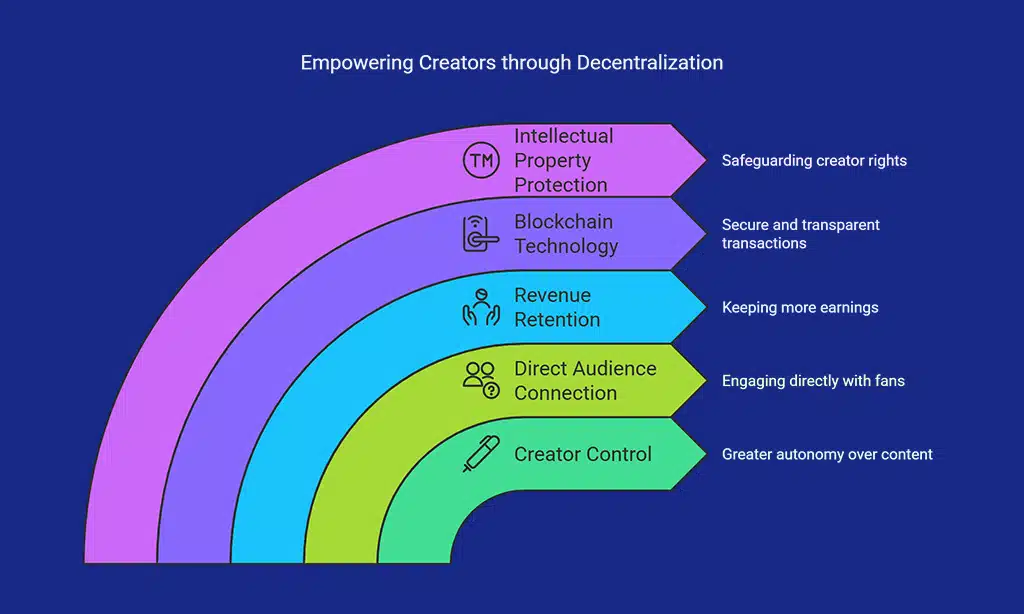
Decentralization is transforming the content creation industry by empowering creators with greater control over their work, audience, and revenue streams. Traditional platforms often rely on intermediaries to distribute content, which can limit a creator’s earnings and restrict their creative freedom.
In contrast, decentralized platforms allow creators to directly connect with their audience, without the need for middlemen, ensuring that they retain a larger share of the revenue generated by their content.
Additionally, by utilizing blockchain technology, creators can protect their intellectual property, secure transparent transactions, and even tokenize their work, providing new opportunities for monetization. This shift fosters a more equitable ecosystem where creators have full ownership and control over their content and financial success.
Benefits of Decentralized Publishing:
- Direct earnings – No intermediaries taking a percentage of revenue.
- Censorship resistance – Content remains accessible without platform restrictions.
- Tokenized incentives – Creators are rewarded with cryptocurrency or NFTs.
| Feature | Traditional Platforms | Decentralized Platforms |
| Revenue Sharing | High platform fees | Direct payments to creators |
| Censorship Risk | Content can be removed | Immutable on blockchain |
| Ownership | Controlled by platforms | Retained by creators |
Example: Audius is a blockchain-based music streaming service that allows artists to earn directly from their fans without record labels.
8. Transforming Healthcare with Decentralized Records
Blockchain technology is revolutionizing the healthcare industry by improving patient data security and accessibility. Traditional healthcare systems often store patient information in centralized databases, making it vulnerable to hacking, unauthorized access, and data breaches.
Blockchain, however, provides a decentralized and immutable ledger that ensures patient data is securely stored and shared across a network of trusted participants. This system guarantees that only authorized parties can access sensitive health information, while also offering a transparent and auditable record of all interactions with the data.
Additionally, blockchain enhances accessibility by allowing patients to control and share their health records easily with various healthcare providers, streamlining the coordination of care and improving overall patient outcomes. As a result, blockchain technology not only strengthens data security but also promotes more efficient and patient-centric healthcare systems.
How Blockchain Enhances Healthcare:
- Secure patient records – Eliminates unauthorized alterations.
- Interoperability – Healthcare providers can securely share patient data.
- Fraud prevention – Reduces insurance and prescription fraud.
| Feature | Traditional Healthcare | Blockchain-Based Healthcare |
| Data Security | Prone to breaches | Cryptographically secured |
| Access | Limited to specific hospitals | Shared securely across providers |
| Transparency | Data manipulation possible | Immutable medical records |
Example: MedRec, developed by MIT, utilizes blockchain to manage electronic health records securely.
9. Boosting Renewable Energy and Peer-to-Peer Trading
Decentralization is driving innovation in the energy sector by enabling sustainable energy distribution through peer-to-peer (P2P) trading of renewable energy. Traditionally, energy distribution has relied on centralized grids controlled by large utilities, which can be inefficient and expensive.
With decentralized systems, individuals and organizations can generate their own renewable energy, such as solar or wind power, and trade it directly with others on a blockchain-based platform.
This P2P trading model reduces reliance on centralized power grids, lowers energy costs, and promotes the use of clean energy sources. Additionally, blockchain ensures secure, transparent transactions, allowing users to track energy usage and credits in real time. By decentralizing energy distribution, these systems not only empower consumers but also contribute to a more sustainable, resilient, and efficient energy future.
Benefits of Blockchain in Energy Trading:
- Local energy exchange – Consumers can buy and sell electricity directly.
- Greater efficiency – Smart contracts automate energy transactions.
- Decarbonization – Supports the transition to renewable energy sources.
| Feature | Traditional Energy Market | Decentralized Energy Market |
| Energy Trading | Centralized utility companies | Peer-to-peer transactions |
| Cost | Higher due to intermediaries | Lower due to direct trading |
| Transparency | Limited | Fully transparent blockchain records |
Example: Power Ledger allows users to trade solar energy with their neighbors using blockchain technology.
10. Enhancing Cross-Border Transactions and Remittances
Decentralized payment networks are revolutionizing international money transfers by significantly reducing costs and increasing efficiency. Traditional cross-border payment systems often involve multiple intermediaries, such as banks and remittance services, each taking a cut and slowing down the transfer process. These centralized systems can also be subject to high fees, especially for smaller transactions or those involving less common currencies.
In contrast, decentralized payment networks, such as those built on blockchain technology, eliminate the need for intermediaries by allowing direct peer-to-peer transactions. This not only cuts down transaction fees but also speeds up the process, enabling near-instant transfers across borders.
Additionally, blockchain ensures greater transparency, security, and reliability, as each transaction is recorded on an immutable ledger. With decentralized payment systems, individuals and businesses can make international transfers faster, at lower costs, and with more control over their funds, paving the way for a more efficient global financial ecosystem.
How Blockchain Improves Remittances:
- Lower fees – Eliminates bank and remittance service charges.
- Faster processing – Transactions settle in minutes rather than days.
- Financial inclusion – Accessible to unbanked populations.
| Feature | Traditional Remittances | Blockchain-Based Remittances |
| Transaction Speed | 2-5 days | Minutes |
| Fees | High intermediary costs | Low fees with no intermediaries |
| Accessibility | Requires bank accounts | Available to anyone with internet access |
Example: Stellar enables cross-border payments with low fees and high-speed transactions, making it a cost-effective alternative to traditional remittance services.
Takeaways
Decentralization is transforming industries by eliminating intermediaries, enhancing transparency, and empowering individuals. From finance and governance to healthcare and content creation, decentralized systems are solving real-world problems with innovative solutions.
The future holds immense potential for decentralization to reshape economies and societies, making systems more democratic, secure, and efficient.
As adoption grows, decentralization will continue to address global challenges, paving the way for a more equitable and transparent world. Those who embrace decentralized solutions today will be at the forefront of the next major technological revolution.