Knowing what to ask at an accident scene goes a long way towards properly documenting what transpired.
It protects your legal and insurance rights down the road. And the critical information collected immediately after a collision provides a solid foundation for claims, litigation, and out-of-court legal settlements.
Here are the questions to ask:
At the Scene
- What are the names and contact details of any passengers? Record names and numbers for any passengers in each vehicle. These individuals may be helpful witnesses later when recounting what happened.
- Can I take photos to document the scene? Take cell phone pictures showing damage, debris, skid marks, and where the vehicles came to rest. Capture wider shots showing the whole area and surrounding hazards like bad weather, poor visibility, or roadway issues. Get written permission before photographing injuries.
- Which direction was each vehicle traveling? Note what lanes each car was in and the directions they were moving. This may impact determinations later about right of way, traffic control compliance, and factors contributing to the collision.
- Are there any third-party witnesses? If anyone not in either vehicle saw what transpired, get their contact information. If available, briefly interview them about what they observed while events are still fresh. Independent witnesses can provide impartial accounts useful later.
- Do you agree this is what happened? Without placing blame, summarize the sequence of events and key facts. Do all parties agree or does someone have a markedly different perspective? Identify disputes immediately while at the scene.
- Has a police report been filed? In most states, the police must be informed about any vehicle accident where there are injuries or total damage appears to meet a dollar threshold like $500-$1,000. Either you or the other driver should call the police.
Insurance and Legal Matters
Before calling your insurer, compile repair estimates, medical bills, accident photos/footage, police reports, etc. Be prepared with answers to these common insurance questions:
- What insurance company covers each vehicle? Make sure to get all insurance details like company names, policy numbers, and contact phone numbers. Ask if the coverage is valid and current too. This smooths the claim filing process later.
- Is my vehicle drivable? Determine if your car or truck can be safely operated after the accident. Damage could render it undrivable or illegal to operate if critical parts like headlights are impacted. You will need to arrange towing or storage if you cannot drive it away.
- Do I need a copy of the police report? In many cases, insurers will request a copy of any police report later to process a claim. Depending on the jurisdiction, getting a copy immediately or requesting one be mailed to you is often possible. There may be a small administrative fee too.
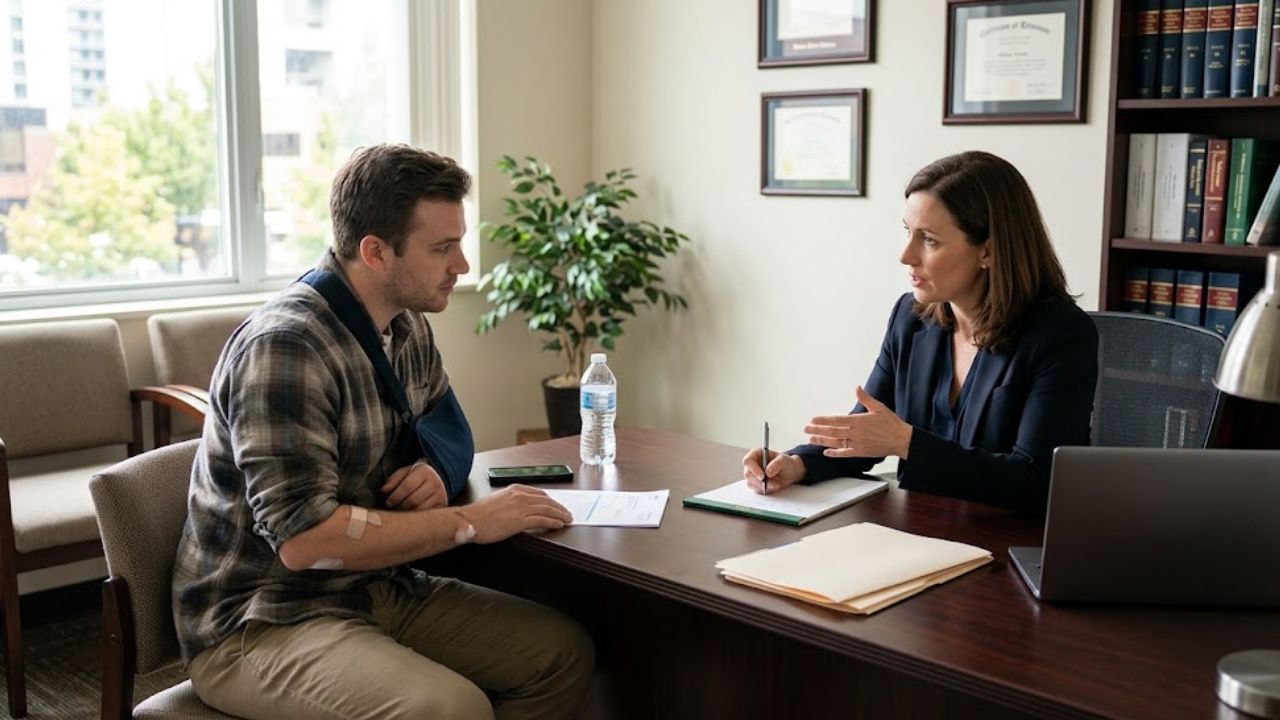
- Should I get a lawyer? For major accidents with injuries or large potential liability concerns – a good example being accidents that lead to fatalities due to failure of 18 wheelers to yield –, consulting an attorney is wise for protecting your rights. Lawyers can deal directly with insurers and courts. Many offer free initial consultations to review your case specifics.
- Are there any witnesses to obtain statements from? Canvass the area for additional witnesses beyond those exchanging information at the scene. Record names, contact details, and brief comments on what they saw. Obtain written statements from willing witnesses as soon after the accident as possible.
- Are there extenuating circumstances? Disclose any factors potentially relevant to fault such as medical emergencies behind the wheel, adverse weather or road conditions, or vehicle defects that contributed. Police and insurers will want a complete picture.
- Could negligence be claimed? If another party was potentially negligent – like texting while driving or running a red light – make sure this is documented somehow through witness statements or in the police report. Evidence strengthens any injury or liability claim down the road.
- What happens next? Before leaving the scene, clarify the next steps with the other parties. This may include moving undrivable vehicles, having passengers picked up, or meeting at a collision reporting center. Exchange contact details for follow-up discussions. Try to agree on the sequence of events too.
Documenting Key Accident Details
Carefully record all vital information while at the accident scene before memories fade and accounts potentially get distorted.
Relying just on the other parties or witnesses to accurately report important facts is risky. That is why having a standard template of details to document is so valuable immediately after a vehicle accident.
Your accident documentation should include:
- Date, time, and location details
- Weather, lighting, and road conditions
- Drawings mapping travel paths and resting positions
- Vehicle year, make, model, and license plate for all cars involved
- Names, insurance details, and contact info for each driver and passenger
- Injuries or fatalities
- Witness identities and statements
- Police report number and officer badge number
- Photographs capturing damage and a wider scene
Thoroughly take down information critical to the chain of events before, during, and after the vehicle collision or incident.
Having organized records simplifies filing insurance claims, aids any police investigations, supports medical/EMS personnel providing treatment, and preps documentation if legal action arises later on.
Tips for Collecting Accident Details:
- Jot notes by hand or directly into a smartphone
- Record witness commentary verbatim whenever possible
- Get written statements signed by witnesses if willing
- Take wide-angle accident photographs from various positions
- Note which rights of way or traffic signals applied for each lane and direction of travel
- Mark vehicle starting points and resting positions after impact
- Document exact vehicle bumper/body damage locations from all angles
Compiling complete records independently is prudent since police reports may take days to become available. Also, authorities only summarize the most pertinent aspects related to their crash analysis. Insurers will likely request your original scene documentation too when evaluating claim submissions. Having organized reports demonstrates responsible practices on your part as well.
Why an Attorney Can Help After an Accident
Being injured in a preventable auto accident caused by another party’s negligent driving often means you have strong grounds for legal action. Consulting with a personal injury attorney after a collision is usually your best recourse for maximum compensation. Here are great reasons for hiring a lawyer for your case:
- Determine Accident Liability – Laws on right-of-way, traffic control devices and signals, and hazardous driving vary significantly between jurisdictions. An attorney can review police reports, witness accounts, photographic evidence, and insurance company findings to build the best argument for full financial liability against others when warranted.
- Estimate Claim Value – Many factors impact auto accident lawsuit settlement amounts including degree of injuries, loss of income, hospital stays, and estimated future costs associated with medical treatment, rehabilitation, or disability care. Attorneys have deep expertise in calculating fair compensation.
- Handle Communication – Insurers have whole teams assigned to minimize claim payouts through tactics like denied medical treatments and paltry settlement offers. They may even wrongly accuse victims of contributory negligence. Avoid the stress of dealing directly with insurance firms.
- Litigate the Case – If insurers refuse reasonable compensation despite clear liability and damages, taking them to court can become essential. Experienced auto accident injury attorneys have the courtroom litigation skills necessary to aggressively pursue fair financial awards.
- Negotiate Settlements – Even before (or during) litigation, attorneys negotiate strongly with insurers by presenting sound legal arguments paired with compelling medical evidence supporting injury claims. This leads to exponentially higher settlement offers.
- Fund Investigations – Finding additional witnesses, uncovering new facts from the scene, proving mechanical defects caused crashes, and making independent determinations about death, injury or property loss requires resources. Attorneys fund extensive investigations.
- Manage Paperwork – Auto accident attorneys have skilled legal assistants who take over managing endless paperwork demands like organizing medical records, documenting lost income, and communicating with health providers and insurers. This helps victims recuperate instead of pushing paper.
- Objectively Advise – Major injury accidents often lead to significant lifestyle disruptions from medical complications to lost jobs. Having an attorney isn’t just about money – they provide invaluable counsel on important health-related and career decisions during vulnerable times.
- Act Quickly – Crash liability and compensation claims face strict legal filing deadlines. Also, waiting reduces leverage since early case weaknesses get addressed systematically. Attorneys know these time limitations and act fast to protect your rights.
- Level the Playing Field – Insurance companies have vast legal and financial resources to influence claim outcomes to their advantage. Injured parties risk exploitation without aggressive attorneys balancing scales and fighting for fair compensation aligned to damages incurred.
Why Complete Accident Reporting is Necessary
Documenting all angles of any vehicle accident meticulously lays the supportive foundations for related insurance, medical, and legal processes that commonly follow. And so compiling organized records usually helps by:
- Recording Exact Damage – Itemizing shattered glass, dented metal, torn upholstery and other harm quickly traces ties back to financial reimbursement requests made later after professional assessments by insurers.
- Cataloging Injuries – Creates early medical history able to be referenced as underlying issues like whiplash or back sprains emerge over time – even days or weeks distant. Direct linkage to the accident is legally important.
- Providing Visual Proof – Photos substantiate verbal accident depictions with physical scene evidence conveying clearer nitty-gritty specifics to insurers, police, attorneys, or any future litigation parties.
- Aiding Police – Authorities rely on participants remembering and their willingness to disclose small nuanced situational details that collectively reveal true sequences of events and likely negligence factors.
- Speeding Insurance Response – Insurers more readily process and approve covered claims when comprehensive particulars are presented early.
- Strengthening Legal Cases – Attorneys leverage complete records to prove liability and win larger judgments against negligent parties. Thorough documenting often allows for more litigation options.