

On July 4, 2025, U.S. President Donald Trump officially signed into law the “One Big Beautiful Bill,” a sweeping immigration and security package that includes major changes to non-immigrant visa costs.
A key provision of the bill introduces a new $250 “Visa Integrity Fee” for a wide range of visa applicants, triggering significant cost increases for millions of travelers, students, and temporary workers—especially from Latin America and other non-Visa Waiver countries.
This surcharge, which takes effect on October 1, 2025, will apply to nearly all common visa categories, from tourism and business to education and employment.
What is the Visa Integrity Fee?
The Visa Integrity Fee is a new surcharge of $250 that will be added on top of current visa fees for most non-immigrant visa categories. It aims to cover enhanced processing, fraud prevention, immigration enforcement, and administrative costs associated with maintaining visa integrity in the U.S.
Unlike traditional processing fees, this charge is enacted as part of national security and immigration reform efforts—making it a mandatory non-optional fee for eligible applicants.
Visa Categories Affected by the Fee Increase
The following non-immigrant visa types will now include the additional $250 fee:
1. B1/B2 Visas – Tourism and Business
- Old Fee: $185
- New Fee (with surcharge): $435
This category is widely used by travelers visiting the U.S. for family reunions, tourism, shopping, and short-term business purposes. The increase makes it one of the most affected categories, especially in Latin America.
2. F and M Visas – Student Visas
These visas allow international students to attend academic or vocational programs in the U.S.
- New Total Cost: $435
For students from Argentina, Colombia, Mexico, or Brazil, this could present an additional barrier to accessing U.S. education.
3. J Visas – Exchange Visitors
This includes teachers, researchers, and participants in cultural and educational exchange programs.
4. H, L, O, P, R Visas – Temporary Workers and Specialty Occupations
These categories serve professionals such as:
- H-1B: Skilled workers in specialized fields like IT or engineering
- L: Intra-company transferees
- O: Individuals with extraordinary ability (e.g., athletes, artists)
- P: Performers and athletes
- R: Religious workers
Each of these visa types will see their total cost increase by at least $250, pushing total fees into the $400–$500+ range per applicant.
Who Is Exempt from the New Fee?
Not all visa applicants will need to pay this fee. Key exemptions include:
- A and G Visas: These are for diplomatic and official government travel.
- Visa Waiver Program (VWP) Travelers: Citizens of countries such as Chile, Japan, Germany, and Australia can travel to the U.S. for up to 90 days without a visa using the ESTA system, and thus are not impacted by this fee.
When Does the Fee Take Effect?
The effective date is October 1, 2025—the beginning of the U.S. fiscal year. After that date, anyone issued a qualifying visa will be charged the $250 Visa Integrity Fee in addition to standard application costs.
- This timing is especially critical for travelers planning visits to the United States in 2026, including the FIFA World Cup, which will be co-hosted by the U.S.
Financial Impact on Latin American Applicants
The fee increase is expected to disproportionately impact travelers and workers from Latin America, where income levels are lower and exchange rates are volatile. Countries most affected include:
Mexico
With millions of Mexicans applying for U.S. visas each year—especially along the border for family, shopping, or business trips—the extra $250 could represent a substantial financial burden. For a family of four, visa costs now exceed $1,700.
Argentina
Facing soaring inflation and currency devaluation, many Argentine travelers are already priced out of international travel. The new fee could discourage students and professionals from pursuing U.S. opportunities.
Colombia, Brazil, Ecuador, Guatemala, and Honduras
These countries already experience long visa wait times, often stretching 6–12 months. Combined with the backlog, the fee may cause many to delay or cancel plans altogether.
Costa Rica
Despite strong U.S. tourism ties, Costa Rica remains outside the VWP, so its citizens will pay full visa fees under the new law.
Is the Fee Refundable?
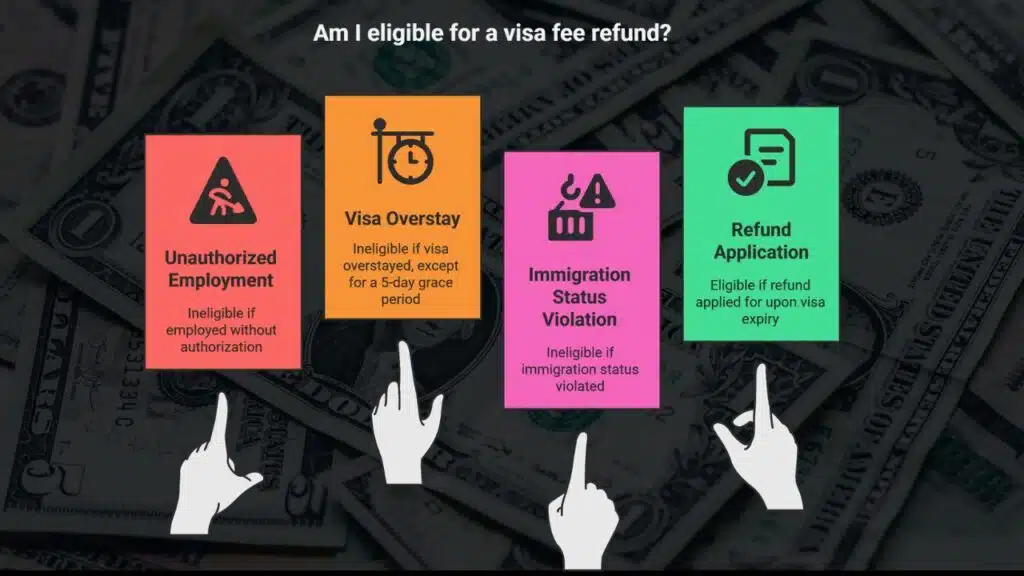
This is where the law gets complicated. While many expected the fee to be non-refundable, the bill includes a conditional refund option—but only after the visa expires and only if the traveler has complied with all U.S. visa rules.
To Qualify for a Refund:
- No unauthorized employment in the U.S.
- No visa overstays (with a 5-day grace window if departure is proven)
- No violations of immigration status
- Must apply for a refund upon visa expiry
If any of these conditions are not met, the fee becomes non-refundable and is forfeited to the U.S. Treasury.
Future Increases: The Fee Isn’t Fixed
Starting in 2027, the law allows the Secretary of Homeland Security to adjust the Visa Integrity Fee annually based on the Consumer Price Index (CPI). That means the $250 charge could rise each year—adding further uncertainty for future applicants.
What Should Travelers Do Now?
Those who plan to travel, study, or work in the U.S. in late 2025 or 2026 are advised to apply before October 1, 2025 to avoid paying the extra fee. Here are the recommended steps:
- Visit the U.S. Embassy website for your country:
- Mexico City
- Bogotá
- Buenos Aires
- San José
- Mexico City
- Schedule a visa interview as early as possible
- Collect the necessary documents, such as:
- Valid passport
- Proof of financial solvency
- Documents showing ties to home country
- Statement of purpose for travel
- Valid passport
- Pay the existing visa application fee before October 1, 2025
Concerns Over Fairness and Accessibility
Critics argue that the Visa Integrity Fee unfairly targets low- and middle-income travelers. Many see it as part of a larger policy shift toward restricting mobility from Latin American and developing nations.
Several advocacy groups have called the measure regressive, pointing out that wealthy travelers and business elites will barely feel the cost, while ordinary applicants—especially students or family members—may be priced out.
Regional Diplomats Speak Out
Officials from Central and South America have raised concerns at forums like the Organization of American States (OAS) and regional consular meetings, warning that this law could widen the gap in regional mobility and strain diplomatic relations.
A Tighter Border, Bigger Budget
Along with the visa surcharge, the “One Big Beautiful Bill” allocates billions of dollars in border security enhancements. This includes:
- Expanded surveillance technology
- Infrastructure improvements at ports of entry
- Increased staffing for Customs and Border Protection (CBP)
- Modernized systems for tracking visa compliance
Supporters say the funding boost is necessary to curb illegal immigration and enforce existing laws. Opponents say it comes at the expense of law-abiding travelers, especially those from Latin America.
Apply Early and Stay Informed
If you are planning to visit, study, or work in the U.S. in the coming year, you still have a window to apply before the October 1, 2025 deadline. Submitting your visa application now can save you $250—and possibly avoid long delays as demand spikes closer to the deadline.
The Information is Collected from CBS News and Yahoo.






















