
Student loans are the most common form of educational debt in the United States. Today, more than the simple wish to obtain a degree, hard work is required for students. This is why so many of them rely on educational loans, which will help them pursue their dream education.
According to statistics, by 2020, student debt in the US had doubled in ten years, and Americans owed a total of $1.7 trillion in student debts. In this article, we will delve into the current state of higher education costs and provide an overall statistical overview of how US student loan debt has changed in the last few years.
The Current State of Higher Education Costs
If you are interested in studying at a university in the United States, you need to consider some guidelines and essential factors before that. One of them is the cost of the universities and the student accommodations. The cost of higher education varies between $5,000 and $50,000 per year, depending on the university and its location. The prices depend on the university and its location—in-state or out-of-state. Students should spend between $500 and $3,500 for accommodation, depending on the area and the apartment size.
The Role of Student Loans in Accessing Higher Education
Education in the United States is considered the best in the world. However, despite the benefits, many students and their families cannot afford to pay the tuition fees and rely mainly on student loans. Most people who have borrowed student loans believe it was worthwhile since their educational choice improved their financial situation.
The Escalation of College Tuition and Fees
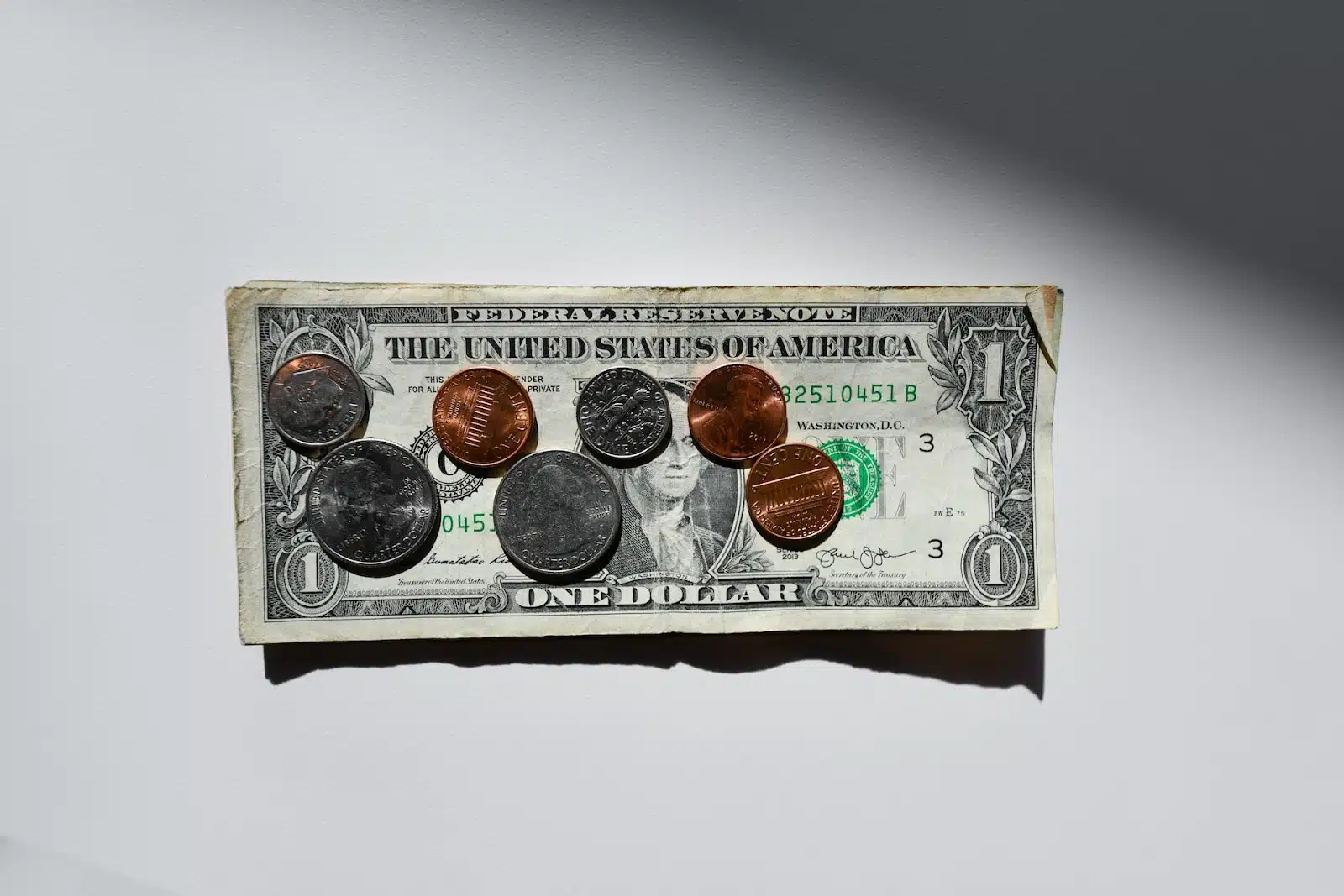
According to statistics, university tuition and fee prices increased significantly by 4.7 percent from 2020 to today. Overall, since 1963, university tuition has increased by 747.8%. Some experts say the increase might be due to different causes, including excessive regulation and the Bennett Hypothesis.
Comparing the Cost of Public vs. Private Institutions
All over the world, the costs of private universities are usually higher than those of public ones. From 2021 to 2022, the average tuition and fees for private US institutions were $38,000, while in-state students paid $10,000 at public universities.
A Statistical Overview of Student Loan Debt in the US
As of the second quarter of 2023, Americans owe $1.77 trillion in student loans, both federal and private. However, the majority of them are responsible for managing their debt. For the last quarter of 2022, the student loans were worth $1.762 trillion.
Federal Student Loan Trends Over the Years
Over the last 15 years, student loan debt in the US has tripled to nearly $1.75 trillion. Over the past decade alone, the debt balance has increased by 66%. Over the past 15 years, the amount of federal student loan debt has increased more than threefold.
The Growth of the Private Student Loan Market
As of October 2023, the total amount of private student loan debt in America was $131 billion. This figure has increased by 33% over the past ten years and nearly doubled from $73.5 billion in 2007 to over $141 billion in 2022.
The Burden of Debt on Graduates
According to the latest statistics from 2020, the average monthly student loan payment equals $289. This number is significantly lower compared to 2008, when graduates had to pay $424. US President Joe Biden extended the student loan payment pause until August 31, 2022. Therefore, monthly payments are still not recorded for 2021 and 2022.
Long-Term Economic Impacts on Society
Student loan debts may help people go to university and succeed in their educational careers. Concerns over the impact of existing student loans on the economy, including the labor market and wealth distribution, have led many Americans to request debt cancellation.
Charting a Path Forward: Balancing Education’s Promise with Financial Realities

The landscape of higher education financing in the United States presents a complex, multifaceted challenge. As we’ve explored, the staggering $1.77 trillion in student loan debt, encompassing both the federal and private sectors, underscores a growing crisis. The exponential increase in tuition fees, now averaging between $5,000 and $50,000 annually, coupled with accommodation costs, has rendered the dream of higher education a costly endeavor.
Yet, amidst these daunting figures, there is a silver lining. The majority of borrowers still believe that their education has positively impacted their financial standing, indicating that, despite the burden of loans, the value of a US education remains high. This dichotomy between cost and value raises critical questions about the future of higher education and its accessibility.