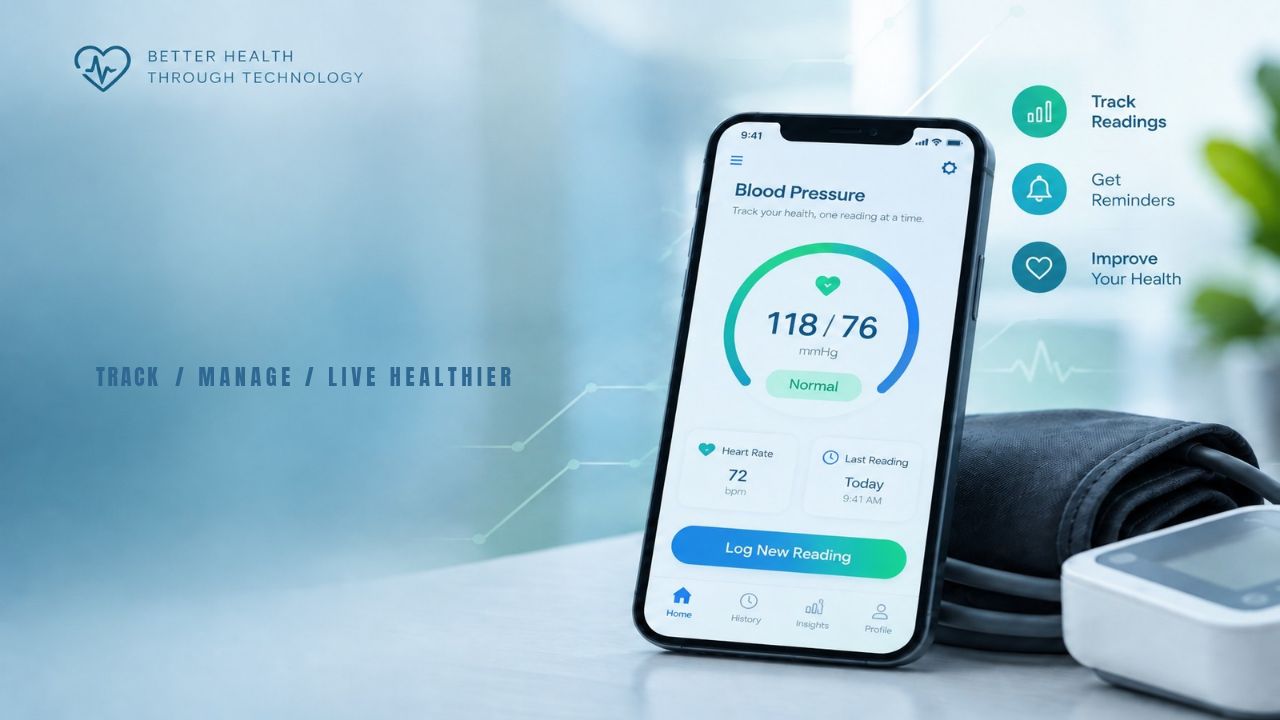
University life has always carried a reputation for late-night study sessions, cafeteria meals, and dormitory drama. However, over the past several years, the baseline level of stress on campus has morphed into something entirely different. We are currently dealing with a severe US college student mental health emergency that requires immediate institutional action. Young adults are carrying heavier emotional loads than any previous generation, facing immense academic pressure, crushing student loan debt, and the heavy weight of an unpredictable global economy.
A simple visit to a traditional campus clinic is no longer sufficient to handle the sheer volume of anxiety and depression cases. Administrators finally realise the old ways of handling student wellbeing are broken. Handing a struggling freshman a flyer and placing them on a month-long waiting list for therapy is an unacceptable standard of care. Because of this, schools across the country are tearing down their outdated medical models and building massive, campus-wide safety nets to ensure no one slips through the cracks.
The Real Scope of the US College Student Mental Health Emergency
To understand why colleges are completely overhauling their support systems, we first have to examine the raw data behind this escalating problem. The demand for campus counselling has skyrocketed past anything university administrators prepared for a decade ago, leaving traditional clinics completely overwhelmed. Reports from national health networks indicate that distress levels among young adults have been climbing steadily, proving this is not just a brief phase or a slight dip in student morale. Academic distress, social isolation, family expectations, and financial instability are hitting today’s students all at once.
Consequently, campus health centres find themselves unable to cope with the surge in appointments using their old methods. This specific US college student mental health emergency has forced an entirely new approach to campus health, shifting the burden from a single medical department to the entire campus community. The severity of the cases has also escalated, meaning staff must be prepared for acute crises rather than just basic transition anxiety.
| Metric Evaluated | Recent Findings and Trends | Direct Impact on Campus Infrastructure |
| Counselling Demand | Increased by over thirty percent in the last decade | Unmanageable wait times for traditional therapy sessions |
| Anxiety and Depression | Over sixty percent of students report overwhelming anxiety | Lower academic performance and higher dropout risks |
| Staffing Ratios | Often exceeding one counsellor per fifteen hundred students | Severe burnout and turnover among university clinical staff |
| Primary Stressors | Academic rigour, living expenses, post-graduation fears | A desperate need for holistic and non-clinical support networks |
11 Key Facts: How US Colleges Are Innovating Mental Health Support
Universities are finally stepping up and getting creative with how they allocate their health and wellness budgets. They understand that a single wellness building tucked away on the edge of campus cannot handle a US college student mental health emergency alone. Instead, they are bringing the solutions directly to the students by changing academic policies, hiring new types of staff, and using modern technology to reach people faster.
1. Moving Away from Waitlists to Stepped-Care Models
When a student walks into a campus health centre, they no longer face an automatic four-week waiting list just to speak with a professional. Instead, administrators utilise a stepped-care model that evaluates the immediate severity of a student’s distress on the very first day. If someone is dealing with mild homesickness or temporary exam stress, they are quickly directed to lower-intensity interventions like mindfulness workshops, group therapy sessions, or digital wellbeing applications.
This sensible filtering leaves the intensive, one-on-one psychological counselling available for those who are actively dealing with severe trauma, major depressive episodes, or urgent crises. By categorising students based on their specific needs rather than treating every visit identically, universities can clear their backlogs efficiently. This strategic approach ensures that high-risk individuals receive immediate professional attention while still providing comprehensive support to the broader student body, effectively tackling a major logistical hurdle in campus healthcare.
| Care Tier Level | Description of Intervention | Target Student Need |
| Low Intensity | Self-guided digital modules and sleep hygiene workshops | Mild transition anxiety or temporary exam stress |
| Medium Intensity | Peer support groups and structured group therapy | Moderate social anxiety or persistent academic pressure |
| High Intensity | One-on-one professional counselling and psychiatric care | Severe depression, trauma, or acute psychological crises |
2. Expanding Telehealth and Digital Platforms
The recent global shift toward remote work forced everyone onto video calls, and higher education wisely kept that technology for ongoing therapeutic support. Digital platforms are now an absolute standard requirement on modern college campuses to provide flexible, immediate care. Universities pay for third-party medical applications so students can text or video chat with a licensed counsellor at two in the morning from the privacy of their dorm rooms. This immediate access is incredibly helpful for students who feel too nervous to walk into a physical clinic and sit in a public waiting room.
It also gives them access to therapists licensed across various state lines, which massively expands the pool of available doctors and reduces appointment bottlenecks. Providing round-the-clock digital care ensures that a student having a panic attack on a Sunday night does not have to wait until Monday morning to find a comforting, professional voice.
| Platform Type | Usage Scenario for Students | Key Institutional Benefit |
| Text-Based Therapy | Quick check-ins during high-stress study sessions | Lowers the barrier to entry for hesitant students |
| Video Counselling | Scheduled therapy outside normal clinic business hours | Expands capacity without building new physical offices |
| Self-Care Applications | Daily mood tracking and guided meditation exercises | Provides preventative maintenance for baseline wellbeing |
3. Training Faculty as Mental Health First Responders

A major turning point in fighting the US college student mental health emergency is the realisation that professors see students more frequently than anyone else. Universities now require academic staff to undergo training to act as mental health first responders within the classroom environment. Programmes like Mental Health First Aid give professors specific instructions on how to notice subtle signs of distress, such as sudden drops in attendance or uncharacteristically poor exam grades.
Instead of simply failing a student for missing three lectures, trained teachers now know to ask if the student is managing their workload and personal life safely. They learn how to initiate a compassionate conversation and precisely how to refer the student to the correct campus resources without overstepping professional boundaries. This creates a massive, proactive safety net across the entire academic institution.
| Warning Sign Observed | Recommended Professor Action | Desired Student Outcome |
| Sudden drop in attendance | Private email checking in on their general wellbeing | Student feels noticed and less isolated on campus |
| Uncharacteristically poor grades | Brief conversation after class offering flexible support | Early intervention before academic failure occurs |
| Visible distress or crying in class | Immediate, gentle referral to the campus crisis centre | Immediate professional de-escalation and safety |
4. Embedding Counsellors Directly into Academic Spaces
Colleges are abandoning the old practice of making vulnerable students trek across an entire campus to a sterile, clinical health building. Now, they place therapists directly inside specific academic colleges, libraries, or large residence halls. An architecture student pulling consecutive all-nighters deals with very different stress than a nursing student completing clinical rotations.
When a counsellor works right inside the engineering building, they learn the specific culture, the brutal grading periods, and the unique pressures of that specific degree programme. They become a familiar, friendly face in the hallway, which makes dropping in for a quick chat feel completely normal and highly accessible. This physical proximity drastically reduces the stigma of asking for psychological help and integrates wellness directly into the student’s daily academic routine.
| Embedded Location | Primary Student Benefit | Stigma Reduction Factor |
| Engineering Building | Counsellor understands specific project deadline stress | Normalises therapy within a highly competitive culture |
| Freshman Dormitories | Immediate access during the difficult transition away from home | Removes the intimidation of visiting a medical clinic |
| Fine Arts Studios | Support for creative burnout and critique-related anxiety | Integrates wellbeing into the daily creative process |
5. Fostering Culturally Competent Care for Diverse Students
Experiencing psychological distress is not a generic, identical experience for everyone on campus. Students of colour, international students, and LGBTQ individuals face unique systemic pressures, discrimination, and acculturative stress that complicate their academic journeys. In the past, these students would visit a traditional campus counsellor only to spend the entire session explaining their cultural background instead of actually receiving therapeutic help.
Today, progressive colleges actively hire diverse counselling teams and prioritise culturally competent care. This ensures marginalised students can talk to someone who inherently understands their specific family dynamics, racial trauma, or identity struggles without needing a tedious history lesson first. When a student feels truly seen and understood on a fundamental level, the resulting therapy is infinitely more effective and builds deep institutional trust.
| Demographic Focus | Culturally Competent Care Approach | Impact on Student Experience |
| International Students | Counsellors trained in acculturative stress and visa anxiety | Reduces feelings of alienation in a new country |
| LGBTQ Individuals | Therapists experienced in gender identity and coming-out trauma | Provides a guaranteed safe space without judgement |
| First-Generation Students | Support groups focusing on family pressure and financial guilt | Validates the unique pressure of breaking family barriers |
6. Launching Peer-to-Peer Support Networks
Sometimes a distressed student genuinely does not want to talk to a medical professional or an adult administrator in a formal office setting. They just want to talk to someone their own age who understands the exact same dining hall food, roommate conflicts, and mid-term exam schedules. Peer support networks have therefore become a massive and highly effective part of the campus ecosystem.
Universities rigorously train student volunteers in active listening, crisis identification, and strict boundary setting so they can safely help their classmates. These peer educators run anonymous chat lines, host relaxed support groups, and organise wellness events in communal spaces. This peer-driven approach normalises the conversation around vulnerability, proving to struggling freshmen that they are never alone in their difficult experiences.
| Network Type | Required Volunteer Training | Primary Function on Campus |
| Anonymous Chat Lines | Crisis identification and active listening protocols | Safe space for late-night venting and resource referral |
| Themed Support Groups | Facilitation skills and maintaining group confidentiality | Shared empathy for specific issues like grief or breakups |
| Wellness Ambassadors | Event planning and basic mental health literacy | Promoting healthy habits through campus-wide activities |
7. Rethinking Academic Flexibility and Accommodations
The intense classroom environment itself drives a massive portion of the modern college mental health crisis, forcing schools to examine how their own rules harm students. Disability resource centres now routinely include temporary or chronic mental health conditions in their official accommodation guidelines. Students going through a severe depressive episode or debilitating panic disorder can formally request flexible deadlines, permission to test in a quiet room, or remote attendance options.
By treating mental health issues with the exact same legitimacy and legal protection as physical illnesses, universities let students maintain their academic progress while they heal. This crucial flexibility prevents a temporary psychological crisis from permanently ruining a student’s grade point average or forcing them to drop out completely.
| Accommodation Request | Medical Justification | Positive Academic Outcome |
| Flexible Assignment Deadlines | Severe depressive episode limiting executive function | Prevents a zero grade during a temporary crisis period |
| Quiet Testing Environments | Diagnosed panic disorder or severe test anxiety | Allows the student to demonstrate actual knowledge |
| Remote Lecture Attendance | Medication adjustments causing severe fatigue | Keeps the student engaged with the curriculum |
8. Adopting a Campus-Wide Public Health Approach
Dealing with crises one student at a time is an incredibly inefficient way to run a large educational institution. To actually fix the US college student mental health emergency, administrators are adopting a broad public health approach that focuses on changing the environment. They look closely at the systemic issues that cause the stress in the first place, rather than just treating the symptoms.
They ask if final exams are scheduled too close together, causing sleep deprivation, or if the dining halls serve nutritious food that supports proper brain function. They streamline confusing financial aid websites that cause unnecessary panic among low-income students. By changing the actual campus environment to promote preventative wellness, colleges aim to stop students from reaching a psychological breaking point entirely.
| Systemic Campus Issue | Public Health Solution Implemented | Preventative Goal Achieved |
| Condensed Exam Schedules | Spreading midterms out over a longer academic period | Reduces severe sleep deprivation and acute panic |
| Poor Nutrition Options | Introducing brain-healthy, accessible foods in dining halls | Supports physical health which stabilises daily mood |
| Confusing Bureaucracy | Streamlining financial aid and registration websites | Eliminates unnecessary administrative anxiety and frustration |
9. Implementing Universal Mental Health Screenings

Catching a psychological problem early changes the entire trajectory of a student’s college career. Universities now use regular, voluntary mental health screenings during the semester, treating them with the same routine importance as a basic physical check-up. These are typically short, digital quizzes sent through university email systems or integrated into official campus smartphone applications. They ask simple, direct questions about sleep patterns, daily mood, substance use, and general stress levels.
Based on the calculated score, the automated system immediately sends the student helpful links, such as a time-management video or a prompt to book an urgent therapy session. This proactive screening easily catches students who are quietly struggling in their dorm rooms and brings them into the support system before their issues escalate into a full crisis.
| Screening Method Used | Frequency of Administration | Automated Response Mechanism |
| Digital App Quizzes | Monthly check-ins via campus smartphone applications | Links to relevant self-help articles or peer groups |
| Pre-Registration Surveys | Once per semester before classes officially begin | Flags high-risk scores for manual counsellor follow-up |
| Post-Exam Assessments | Immediately following major mid-term grading periods | Directs highly stressed students to relaxation workshops |
10. Strengthening Suicide Prevention Protocols
Handling severe psychological crises requires serious, high-stakes institutional planning and flawless execution. Colleges spend heavily on comprehensive suicide prevention and postvention strategies to protect their student populations. Prevention means running campus-wide awareness campaigns, training staff on warning signs, and setting up clear, immediate referral pathways so anyone in crisis gets help within minutes. Postvention is just as critical for long-term campus stability.
When a tragic event happens, the risk of compounding trauma or a contagion effect among the grieving student body is incredibly high. Universities now have rapid-response teams ready to deploy targeted grief counselling, manage sensitive communications, and provide safe spaces to help the entire campus community process the loss safely.
| Crisis Management Stage | Institutional Action Taken | Primary Objective |
| Early Prevention | Widespread awareness campaigns and hotline distribution | Educates the community on how to seek immediate help |
| Active Crisis Response | Deployment of mobile psychiatric evaluation teams | Stabilises the student and ensures physical safety |
| Postvention Protocol | Organising grief groups and managing media communication | Prevents community trauma and limits contagion effects |
11. Empowering Student-Led Wellness Initiatives
Administrators alone cannot dictate or completely change the deeply ingrained culture of a large university campus. The students themselves must actively care about the initiatives and drive the cultural shift forward. Colleges now provide actual funding, resources, and institutional power to student-led wellness committees and advocacy groups. These groups let students voice their raw concerns straight to the dean of students or the university president.
They point out exactly where the current medical services fail, suggest brilliant new ideas based on their daily experiences, and push for specific policy overhauls. Because these initiatives come directly from the students, they secure much better engagement and fix the precise problems the student body actually cares about.
| Initiative Type | Leadership Structure | Direct Impact on Campus Culture |
| Wellness Steering Committees | Elected student representatives advising the dean | Ensures administrative policies reflect real student needs |
| Peer Policy Advocates | Students lobbying for grading and attendance reforms | Creates a fairer, more compassionate academic environment |
| Student Wellbeing Boards | Allocating university funds to specific health events | Guarantees money is spent on highly attended, relevant programmes |
Why This Response Matters for the Future of Higher Education?
Spending millions of dollars on an expansive health infrastructure is not just about doing the morally right thing for young adults. It is a matter of absolute survival for the educational institutions themselves. How colleges handle this ongoing emergency directly decides whether their institutions succeed, grow, or fail in the highly competitive coming decades. Parents and prospective students are actively evaluating wellness resources before agreeing to pay expensive tuition fees. Universities must unequivocally prove they can keep their enrolled students safe, mentally healthy, and completely on track to graduate if they want to maintain their prestigious reputations.
Driving Academic Retention and Success
There is an absolute, undeniable link between stable mental health and earning a university degree. When a student suffers from untreated, severe depression or crippling anxiety, their brain simply cannot process or retain complex academic information. They begin skipping morning lectures, failing to submit coursework, and eventually dropping out of the programme entirely.
By treating the US college student mental health emergency aggressively, universities actively protect their crucial retention numbers. A deeply supported student with access to reliable counselling is much more likely to push through a tough semester, stay happily enrolled, and eventually walk proudly across the graduation stage.
| Focus Area | Direct Result of Intervention | Long-Term Impact on Institution |
| Academic Retention | Fewer students dropping out mid-semester due to stress | Stabilises tuition revenue and improves graduation statistics |
| Student Engagement | Higher attendance rates in difficult core classes | Fosters a more vibrant, active intellectual community |
| Institutional Reputation | Strong word-of-mouth regarding student care | Attracts higher-quality applicants in future enrolment cycles |
Building Lifelong Resilience and Life Skills
The fundamental purpose of college is to prepare young adults for the harsh realities of the real world. That vital preparation has to include significantly more than just writing essays, analysing data, and doing laboratory work. By making mental health education a normal, daily part of the college experience, universities actively teach students how to manage complex adult stress. Students learn how to set professional boundaries, how to advocate for their own needs, and how to ask for help before they reach a breaking point. When they learn these coping skills in a safe college environment, they take them into their future careers, creating a generation of highly resilient adults.
| Skill Developed | College Application | Future Real-World Benefit |
| Emotional Regulation | Managing panic before a major final exam | Handling high-pressure situations in corporate environments |
| Boundary Setting | Saying no to excessive extracurricular commitments | Maintaining a healthy work-life balance in adulthood |
| Resource Utilisation | Knowing when to visit the campus clinic for burnout | Proactively seeking healthcare and therapy later in life |
Final Thoughts
The US college student mental health emergency is a massive, deeply rooted societal issue that no single digital application or extra campus counsellor can permanently fix overnight. However, the detailed realities we have explored prove that higher education institutions are finally waking up to the scale of the problem. They are actively dismantling their old, broken bureaucratic systems and purposefully building academic cultures that genuinely prioritise human wellbeing over rigid tradition.
By tearing down lengthy waitlists, training professors to notice distress, and completely changing unfair academic rules, colleges are trying to catch vulnerable students before they fall. This monumental shift guarantees that young adults do not just survive the immense pressure of their degree programmes. Instead, they actually grow, learn, and step into the professional world fully equipped to handle whatever challenges come next.
Uncommon FAQs About US College Student Mental Health Emergency
When parents and new students research college support systems, they usually ask very basic questions about clinic opening hours or insurance limits. However, the true complexities of campus healthcare go much deeper into legal and administrative territory. Legal privacy boundaries, academic leave policies, and off-campus medical referrals are confusing topics that families rarely understand until they are in the middle of a crisis. Below are some of the lesser-known facts about how universities handle student privacy and complex medical care.
1. Can a university force a student to take a medical leave of absence?
This remains a highly complex legal area that varies slightly between institutions. Generally, a college cannot force a student to leave campus simply because they disclosed a mental health diagnosis to a counsellor. Under federal disability laws, the university must offer reasonable accommodations first to help the student succeed. However, if a student poses a direct, immediate physical threat to the safety of others, or if their behaviour severely disrupts the educational environment for everyone else, the university can initiate an involuntary leave. Usually, administrators work incredibly hard to negotiate a voluntary, supported medical leave instead.
2. Does federal privacy law stop parents from knowing if their child is in therapy?
Yes, this is a strict legal reality that often surprises parents. Federal privacy laws protect the confidentiality of student education and health records for anyone over the age of eighteen. If a college student regularly visits the campus counselling centre, the therapists cannot legally telephone the parents to discuss the treatment. The only exception occurs if the student voluntarily signs a specific legal waiver releasing that information, or if there is an extreme, imminent health and safety emergency where notifying the parents is absolutely necessary to protect the student’s immediate life.
3. What happens when a student needs more than six sessions of therapy?
Most university campus clinics utilise a short-term care model designed to handle acute, temporary issues, offering around six to eight free therapy sessions per academic year. If a student requires long-term, weekly psychiatric therapy for a chronic, severe issue, the campus centre acts as a highly connected referral hub. Universities employ dedicated clinical case managers whose entire job is to help the student find a reputable private therapist in the local community. They also ensure this off-campus provider accepts the student’s specific health insurance plan, smoothing the transition of care.
4. Can students get extensions on papers just for having anxiety?
Yes, but it requires a formal, medically documented process rather than a casual conversation. A student cannot simply email a professor on the morning a major paper is due and claim they have anxiety to get a free extension. They must officially register with the university’s accessibility or disability resource office early in the semester. After providing legitimate medical documentation of their diagnosed anxiety disorder, the office grants formal accommodations. The professor is then legally required to honour those specific accommodations, which frequently include negotiated, flexible deadlines.