
The landscape of psychological well-being in the United States has shifted significantly as the country moves through 2026. While awareness of emotional struggles has never been higher, the systems designed to provide support are facing unprecedented pressure from economic shifts and technological integration. This guide provides a direct look at the most critical factors defining the current state of well-being to help you navigate a complex and often overwhelming environment.
How We Selected Our 13 Core US Mental Health Crisis Insights
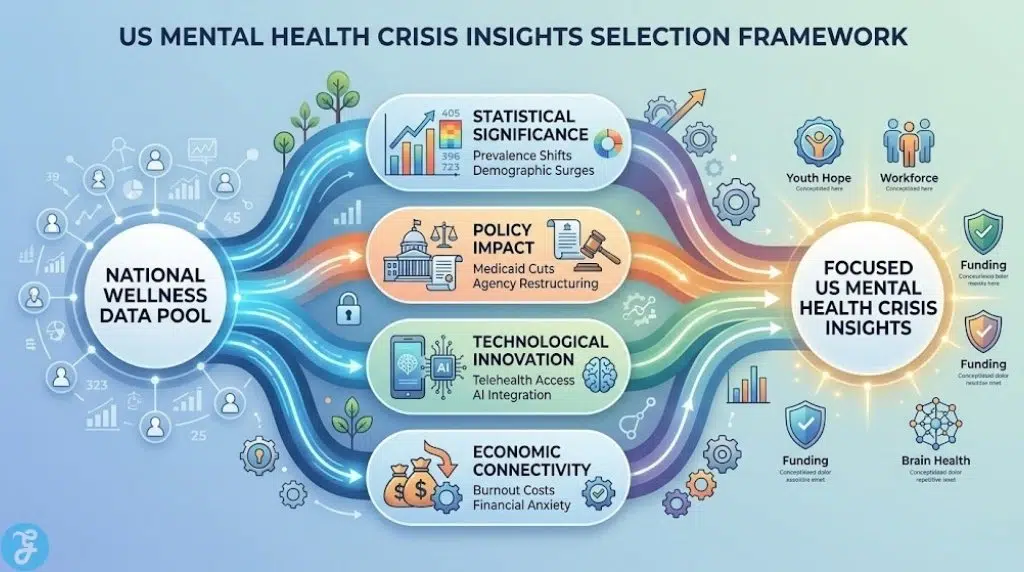
To identify the most impactful elements of the current situation, we evaluated various societal and economic trends that dictate how people access and receive care. Our selection process focused on identifying the structural and personal factors that offer the most significant insight into the challenges faced by millions of individuals today.
The following benchmarks represent the criteria used to filter the most essential information for this report.
| Evaluation Metric | Focus Area | Impact Level |
| Prevalence Rates | Frequency of diagnoses across specific age groups | Very High |
| Resource Availability | Presence of qualified professionals in high-need areas | High |
| Technological Shift | Use of digital tools and automation in therapy | Medium |
| Economic Correlation | Impact of inflation and job security on wellness | High |
By analyzing these metrics, we have identified the primary drivers of the current atmosphere and the hurdles that remain in the way of effective recovery.
A Direct Analysis of the US Mental Health Crisis
The current state of national wellness is a product of long-term systemic neglect meeting sudden modern stressors. These thirteen points explain why the situation has reached a tipping point and what specific factors are shaping the daily lives of those seeking support.
1. Extreme Levels of Adolescent Distress
Young people are currently reporting the highest rates of persistent sadness and hopelessness seen in over a decade. This trend is particularly visible among teenage girls, who face a unique combination of social comparison and academic pressure that has not been mitigated by traditional school-based interventions.
Best for:
-
Parents and educators trying to grasp the severity of the situation facing the next generation.
Why We Chose It:
-
It highlights a specific demographic experiencing a severe and non-temporary decline.
-
It identifies the long-term impact of digital social environments on developing minds.
-
It shows a direct correlation with the rise in emergency department visits for self-harm.
Things to consider:
-
Academic burnout is now cited as a primary source of daily stress for over 80% of students.
While the crisis among the youth is acute, the American workforce is navigating its own set of psychological challenges that impact the national economy.
2. Chronic Workforce Burnout and Retention
Work-related stress has become a defining characteristic of the modern American labor market. A significant majority of the workforce reports feeling emotionally exhausted by their professional responsibilities, leading to a surge in resignations and a decrease in overall productivity.
Best for:
-
Business leaders and HR professionals managing retention in high-pressure environments.
Why We Chose It:
-
Burnout-related productivity losses result in hundreds of billions of dollars in economic impact.
-
It reflects a major shift in employee expectations toward personalized health benefits.
-
It demonstrates the link between job insecurity and chronic sleep deprivation among workers.
Things to consider:
-
Labor shortages in 2026 have forced many employees to take on unmanageable daily workloads.
The pressure in the workplace is exacerbated by the changing ways that medical care is funded and administered at the federal level.
3. Significant Shifts in Federal Funding
Legislative changes have initiated a long-term plan to reduce the amount of federal money allocated to state-run health programs. Because these programs fund a large portion of all behavioral health spending, these reductions are creating significant barriers for those who rely on public assistance for therapy.
Best for:
-
Policy analysts and individuals relying on state-funded insurance for their medical needs.
Why We Chose It:
-
Public funding is the single largest source of support for behavioral health services.
-
Reductions in funding disproportionately affect the most vulnerable and marginalized populations.
-
It marks a major reversal of prior efforts to expand health coverage to more citizens.
Things to consider:
-
Audits are becoming more aggressive to ensure private insurers do not also restrict necessary care.
As traditional funding faces challenges, the industry is increasingly turning toward technology to bridge the gap in service delivery.
4. Integration of Automation in Clinical Therapy
Automated systems and artificial intelligence have moved from experimental tools to standard features in many clinical settings. These tools analyze data to suggest specific therapeutic interventions, helping to route patients to the correct level of care faster than traditional manual intake methods.
Best for:
-
Patients looking for more accessible and immediate options for psychological support.
Why We Chose It:
-
It addresses the severe shortage of human professionals in many underserved regions.
-
Tailored digital interventions have shown success in reducing symptoms of moderate anxiety.
-
It allows for constant monitoring and support that human providers cannot always offer.
Things to consider:
-
There is a growing call for stricter ethical guidelines on how these automated tools are utilized.
While technology offers new pathways, the most basic physiological needs of the population are often neglected, contributing to the overall decline.
5. The Link Between Sleep Deprivation and Anxiety
A massive segment of the adult population is not achieving the recommended amount of nightly rest, which is now recognized as a primary driver of emotional instability. Chronic lack of sleep is inextricably linked to higher risks of physical illness, creating a cycle where mental and physical health decline together.
Best for:
-
Individuals seeking to understand the lifestyle factors contributing to their daily distress.
Why We Chose It:
-
Sleep is a foundational requirement for proper brain health and emotional regulation.
-
It highlights a whole-person model that is becoming standard in primary care this year.
-
It addresses a highly preventable cause of clinical psychological conditions.
Things to consider:
-
High stress regarding personal finances is the most common reason for sleep disruption this year.
Physical health and external circumstances are important, but certain groups are facing even steeper hurdles in the current environment.
6. Heightened Vulnerability in Marginalized Communities
Individuals in minority groups are significantly more likely to experience clinical conditions than their peers. Reduced funding for community-specific crisis services has raised concerns about the availability of culturally competent care for these high-risk populations.
Best for:
-
Community advocates and individuals seeking specialized crisis support.
Why We Chose It:
-
Minority youth face much higher risks of experiencing symptoms of clinical depression.
-
It reflects the impact of shifting political climates on community-specific resources.
-
It underscores the desperate need for safe and inclusive spaces for treatment.
Things to consider:
-
Individuals facing systemic discrimination often have the least access to high-quality care.
As specialized groups struggle, the national focus on suicide prevention is being tested by administrative changes.
7. Restructuring of National Crisis Lifelines
National crisis lines have seen a surge in usage, yet they face significant administrative changes as federal agencies are consolidated. While these lines remain active, changes in how federal and state partnerships are managed are affecting local response times and the quality of care.
Best for:
-
Anyone in immediate need of emergency intervention or prevention resources.
Why We Chose It:
-
These lines are the primary national entry point for emergency behavioral support.
-
It highlights the tension between rising demand and constrained resources in 2026.
-
Self-harm remains a leading cause of death for individuals under the age of 25.
Things to consider:
-
Funding for school-based grants was also recently altered, impacting early intervention efforts.
The restructuring of these agencies is not just a bureaucratic shift; it has a profound impact on the national economy.
8. The Massive Economic Burden of Serious Illness
Serious conditions are costing the national economy nearly $200 billion in lost earnings every year. This financial burden reflects the high number of individuals who are unable to maintain full-time employment due to untreated or poorly managed symptoms of severe disorders.
Best for:
-
Economists and policy-makers assessing the financial impact of the crisis on national growth.
Why We Chose It:
-
It quantifies the national impact of the crisis beyond individual suffering.
-
It emphasizes the return on investment for early and effective psychiatric treatment.
-
It highlights a treatment gap where nearly half of the population still goes without care.
Things to consider:
-
Men are more likely to die by suicide, but women are more likely to attempt it.
Cost issues often start with a fundamental lack of people available to deliver the necessary care.
9. The Shortage of Specialized Pediatric Care
The shortage of specialized professionals for children and adolescents has reached a critical level. Most of the country is now designated as a high-need shortage area, leaving many families on waiting lists for months while their children’s conditions worsen.
Best for:
-
Families in rural or underserved areas trying to secure professional help for their children.
Why We Chose It:
-
It is a primary bottleneck preventing the resolution of the youth crisis.
-
It explains why many families must rely on general doctors for specialized needs.
-
It highlights the urgent need for new educational pipelines for health professionals.
Things to consider:
-
Most schools now have at least one specialist, but they are often overwhelmed by volume.
While the professional shortage is a hurdle, new trends in self-care show that public awareness is continuing to rise.
10. Prioritization of Wellness as a Personal Goal
A significant percentage of the population now identifies psychological health as a top personal priority for the year. This trend is led by younger adults who are increasingly seeking out mindfulness, better sleep habits, and professional therapy as part of their regular routine.
Best for:
-
Individuals looking for social validation in prioritizing their own well-being.
Why We Chose It:
-
It indicates a major cultural shift in reducing the stigma of seeking help.
-
It shows that emotional health is now being treated with the same importance as physical fitness.
-
It reflects a proactive approach to mental fitness rather than just reactive treatment.
Things to consider:
-
A high percentage of people feel anxious about their ability to maintain these goals long-term.
Personal resolutions often run into the reality of everyday financial pressures that are difficult to ignore.
11. Financial Insecurity as a Primary Clinical Trigger
Economic anxiety is the top concern for the majority of adults in 2026. This financial trauma is directly linked to higher rates of generalized anxiety and serves as a major barrier for those who might otherwise seek out paid professional therapy.
Best for:
-
People struggling to balance the cost of living with the cost of maintaining their health.
Why We Chose It:
-
It is the most common external stressor reported in national polls this year.
-
It identifies why many self-care solutions fail if they do not address economic reality.
-
It correlates with rising rates of anxiety regarding the uncertainty of the future.
Things to consider:
-
Anxiety about the ability to afford care often prevents people from starting treatment.
Beyond finances, the way our brains recover from injury is becoming a larger part of the national conversation.
12. The Connection Between Brain Health and Longevity
There is a growing focus on the link between physical brain injuries and long-term emotional health. Research confirms that these injuries significantly increase the risk of cognitive decline and chronic depression, leading to new treatments focused on brain recovery.
Best for:
-
Athletes, veterans, and older adults concerned about cognitive and emotional decline.
Why We Chose It:
-
It bridges the gap between biological health and emotional well-being.
-
A large segment of hospitalizations for brain injury occurs in the aging population.
-
Advances in neurotechnology are helping to shape more personalized recovery plans.
Things to consider:
-
Deaths from brain injuries have decreased, but the long-term effects remain very high.
The crisis is finally defined by a persistent gap in treatment that varies based on a person’s location and background.
13. The Persistent Gap in Treatment Access
Despite the rise in awareness, a massive gap remains between those who need care and those who actually receive it. Minority youth and those in rural areas are the least likely to receive professional support due to a combination of high costs and a lack of local providers.
Best for:
-
Community leaders and non-profits working to extend services to marginalized areas.
Why We Chose It:
-
It is the final metric of success for any national health strategy.
-
It highlights the areas where the current system is failing the most vulnerable people.
-
It shows that awareness alone is not enough to solve the crisis without structural access.
Things to consider:
-
There has been some improvement for older groups in receiving a formal diagnosis.
An Overview Of the US Mental Health Crisis in 2026
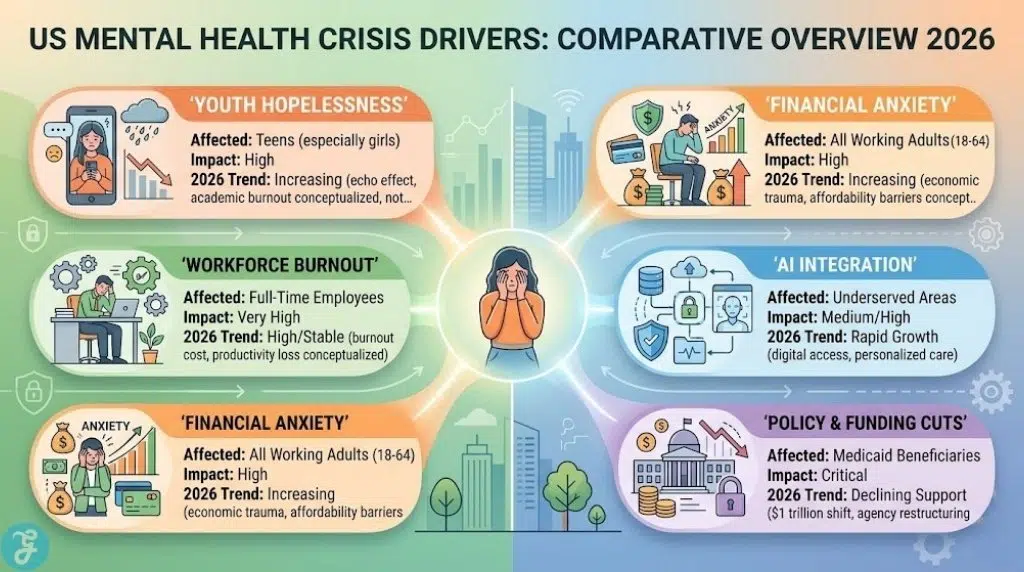
The current state of national wellness is a study in contrasts, where technological growth meets aging infrastructure and shifting budgets. The following summary provides a quick look at how various factors are currently weighing on the national psyche.
The information provided below summarizes the primary areas of concern and the potential for positive intervention this year.
| Crisis Factor | Impact Level | Primary Affected Group | Current Trend |
| Youth Distress | Critical | Adolescents | Increasing |
| Workplace Stress | High | Full-time employees | High/Stable |
| Financial Anxiety | Very High | All working adults | Increasing |
| Automated Care | Medium | Underserved regions | Growing |
| Funding Reductions | Critical | Public assistance users | Declining |
Our Top 3 Critical Factors and Why?
While all thirteen points are vital, these three factors will likely determine the success of any national response over the next decade.
-
Youth Well-being: This is a generational emergency with long-term impacts on society and the future workforce.
-
Federal Funding Shifts: Reductions in public support represent the largest threat to healthcare access for low-income citizens.
-
Workplace Integration: Because work is where most adults spend their time, employer-led support is the most effective way to reach millions.
How to Choose the Right Support for the US Mental Health Crisis?
Navigating a system under strain requires a proactive and informed approach. By understanding how to vet providers and utilize new technologies, you can secure the care you need even in a difficult administrative environment.
-
Audit Your Coverage: Check the specific terms of your insurance to ensure you are not being unfairly limited on visits or medication.
-
Explore Digital Options: Utilize reputable telehealth and automated platforms if you live in an area where physical therapists are scarce.
-
Verify Professional Credentials: Ensure that any digital tool or therapist is licensed and adheres to current privacy and ethical standards.
-
Prioritize Foundation Health: Focus on sleep, diet, and physical activity as the biological baseline for managing emotional distress.
Taking command of your care starts with a clear understanding of the options available in your specific region and financial situation.
| Choose Digital Care if… | Choose In-Person Care if… |
| You live in a rural area with no local specialists. | You are experiencing a severe, acute crisis or emergency. |
| You need flexible hours outside of standard work times. | You require a hands-on physical or neurological assessment. |
| You are seeking treatment for mild to moderate anxiety. | You prioritize a high-touch, personal therapeutic bond. |
The Final Checklist
-
[ ] Review your insurance benefits specifically for behavioral health coverage.
-
[ ] Save the national crisis lifeline number in your phone contacts immediately.
-
[ ] Research which local grants or community services have changed this year.
-
[ ] Establish a daily routine to reduce social media usage and improve sleep quality.
-
[ ] Schedule a general physical to rule out underlying issues that mimic depression.
The challenges of 2026 are significant, but they are accompanied by an unprecedented level of public honesty about our collective well-being. By recognizing that personal health is a strategic priority and staying informed about the policy shifts that affect access, individuals can begin to build a more resilient future. The goal is to move from a state of crisis management to a sustainable culture of care that protects the most vulnerable among us.
Frequently Asked Questions About the US Mental Health Crisis
Is the national crisis lifeline still free to use?
Answer: Yes, the national 988 lifeline remains free, confidential, and available 24/7 across the country, providing immediate support for anyone experiencing emotional distress or a crisis.
How do federal funding cuts affect my current therapy?
Answer: If you rely on public assistance, you may see changes in the number of approved visits or a shift in the specific providers that are able to accept your insurance.
Are automated therapy tools as effective as human doctors?
Answer: These tools are currently most effective for building skills and managing moderate symptoms. They are not recommended as a total replacement for human care in cases of serious illness.
What is the main cause of the youth crisis in 2026?
Answer: It is a combination of the long-term fallout from social disruptions, the pressure of digital comparison, and a lack of specialized providers available to help.
Can my employer see my private health information?
Answer: Privacy laws prevent employers from seeing individual data about your diagnosis or therapy. They only see generic information about how the workforce as a whole is using the benefits.