


Relationships can be incredibly fulfilling, but they also come with their challenges. While love often makes us overlook certain flaws, it’s crucial to recognize and address fundamentally harmful behaviors. Ignoring these red flags can lead to long-term unhappiness and even harm.
Here are 20 critical behaviors you should never tolerate in a relationship, explained in detail to help you identify and address them effectively.
1. Controlling Behavior
Controlling behavior is a significant red flag in any relationship. A controlling partner may dictate your actions, choices, and interactions, making you feel you must always seek their approval.
This can manifest in various ways, such as constantly needing to know your whereabouts, deciding who you can spend time with, or even dictating your appearance and activities.
Such behavior isn’t about love but power and dominance, which can erode your sense of self and independence. Healthy relationships are built on mutual respect and freedom, not control.
2. Gaslighting
Gaslighting is a manipulative tactic where your partner makes you doubt your reality and feelings. This might include dismissing your emotions as irrational, insisting that you’re overly sensitive, or rewriting past events to make you question your memory.
For example, if you recall an argument where your partner said hurtful things and they later deny ever telling them, you’re likely experiencing gaslighting.
This behavior undermines your confidence and can lead to a loss of trust in your judgment. It’s crucial to recognize gaslighting early and seek support to protect your mental health.
3. Emotional and Verbal Abuse

Emotional and verbal abuse can be just as damaging as physical abuse. This includes name-calling, belittling, constant criticism, and making you feel worthless.
Your partner may disparage you, make fun of you in front of others, or belittle your achievements and abilities. Such abuse can destroy your self-esteem and make you feel trapped in the relationship.
No one deserves to be treated this way, and recognizing these signs early can help you take steps to protect yourself and seek help.
4. Physical Abuse
Physical abuse is a clear and immediate red flag. Any form of violence or bodily harm is unacceptable and grounds for leaving the relationship immediately. This can range from slapping and hitting to more severe acts of violence.
Suppose you are in a physically abusive relationship. In that case, it’s vital to seek help from trusted friends, family, or professional services to ensure your safety. Physical abuse is not something to be taken lightly or excused under any circumstances.
5. Sexual Coercion and Abuse
Sexual coercion involves pressuring or forcing someone into sexual activities against their will. This can occur even within committed relationships, where consent is assumed but not given.
It’s important to understand that consent is necessary every time, and feeling pressured into sex is a significant violation of trust and respect.
If your partner makes you feel obligated to engage in sexual activities or coerces you into doing things you’re uncomfortable with, the relationship is unhealthy. Recognizing the signs of sexual coercion and seeking support is crucial for your well-being.
6. Feeling Bad About Yourself
Your partner should uplift and support you, not make you feel bad about yourself. If you consistently feel like the worst version of yourself around your partner, it’s a sign that the relationship is unhealthy.
Pay attention to how your partner’s words and actions affect your self-esteem and happiness. If they constantly put you down, make you feel inadequate, or undermine your confidence, it’s time to reevaluate the relationship.
7. Isolation from Loved Ones
Isolation is a common tactic used by abusive partners to gain control. They may discourage or forbid you from seeing friends and family, making you feel dependent on them for support.
This isolation can be subtle, such as making negative comments about your friends and family, or more overt, like forbidding you from seeing them all together.
Maintaining your relationships and social support network is crucial for your well-being. If your partner tries to cut you off from these connections, it’s a significant red flag.
8. Forced Changes
While compromise is part of any relationship, being forced to change fundamental aspects of yourself to please your partner is unacceptable. Your partner should love you for who you are, not try to mold you into someone you’re not.
If you feel pressured to abandon your hobbies, values, or personality traits, it’s time to reconsider the relationship. Forced changes can lead to a loss of identity and personal fulfillment.
9. Physical Stress Responses
Your body often knows when something is wrong before your mind does. Notice physical stress responses like tensing up, feeling anxious, or experiencing a racing heart when your partner is around. It might be your body’s way of telling you that the relationship is unhealthy.
Listen to these signals and evaluate whether your partner’s behavior is causing undue stress. A healthy relationship should make you feel safe and at ease, not on edge.
10. Invalidating Your Experiences
A supportive partner listens and validates your feelings and experiences. If your partner dismisses or belittles your experiences, especially concerning severe matters like harassment or trauma, they are not respecting you.
For example, if you share an experience of being catcalled and your partner dismisses it as no big deal, this is invalidating and harmful.
Everyone deserves to have their feelings acknowledged and validated. A partner who fails to do this is not providing the support and empathy you need.
11. Judging and Criticism
Constructive feedback is different from constant judgment and criticism. If your partner regularly points out your flaws, makes you feel inferior, or criticizes your every move, it signifies an unhealthy relationship.
Love should be about support and growth, not tearing each other down. Constant judgment can erode your self-esteem and make you feel unworthy of love and respect.
12. Ignoring Sexual Needs and Boundaries
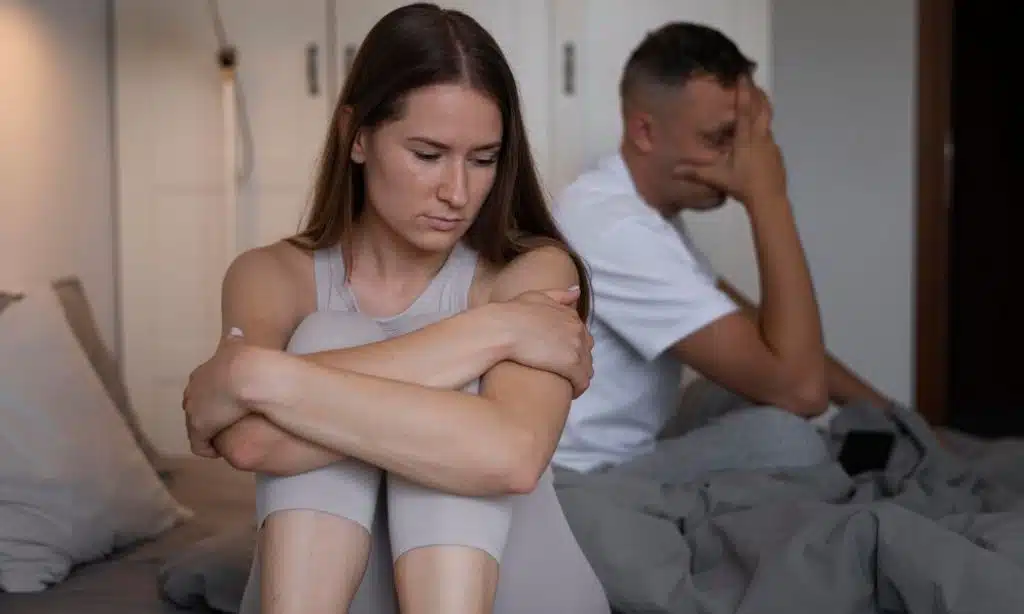
Sexual compatibility requires effort and understanding. If your partner ignores your sexual needs or pressures you into activities you’re uncomfortable with, it’s a severe issue. Respecting each other’s boundaries is fundamental in a healthy relationship.
If your partner dismisses your preferences, ignores your boundaries, or makes you uncomfortable during intimacy, it’s time to address these concerns and seek a resolution.
13. Disrespecting Boundaries
Whether it’s joking about sensitive topics, sharing your private information, or ignoring your personal space, disrespecting boundaries is unacceptable. Boundaries are essential for maintaining respect and trust in a relationship.
If your partner consistently oversteps these lines, it’s a sign of toxic behavior. Clear and respected boundaries make both partners feel safe and valued.
14. Secrecy and Public Acknowledgment
A committed relationship shouldn’t be a secret unless there’s a mutual agreement for specific reasons. If your partner hides your relationship or refuses to acknowledge it publicly, it might indicate deeper issues like infidelity, shame, or a lack of commitment.
A healthy relationship is built on transparency and pride in being together. Secrecy can erode trust and make you feel undervalued.
15. Unfounded Accusations
Constant accusations of cheating, despite a lack of evidence, can stem from insecurity or projection. This behavior can damage trust and create unnecessary tension.
It’s essential to address these issues directly and seek help if the accusations continue without basis. A relationship should be based on mutual trust and understanding, not baseless accusations.
16. Interruptions and Over-Talking
Effective communication is vital in any relationship. If your partner frequently talks over you, interrupts you, or corrects you, even if it’s not malicious, it shows a lack of respect for your thoughts and opinions.
Healthy communication involves listening and valuing each other’s perspectives. Constant interruptions can make you feel unheard and unimportant.
17. Slut-Shaming
Slut-shaming is a form of control and disrespect, often targeting your past or present sexual choices. No one should be made to feel ashamed of their sexuality.
A respectful partner accepts you and your history without judgment. If your partner makes derogatory comments about your sexual past or tries to control how you dress and express yourself, it’s a clear sign of a toxic relationship.
18. Undermining Career Aspirations
A supportive partner encourages your career goals and celebrates your achievements. It signifies jealousy or insecurity if your partner mocks or undermines your career aspirations.
Your professional goals are essential to your identity and should be respected. A partner who tries to hold you back from achieving your career goals is not supporting your personal growth and success.
19. Avoiding Responsibility
Refusing to take responsibility for actions and mistakes shows immaturity and lack of accountability. A healthy relationship involves owning up to mistakes and working together to resolve issues.
If your partner consistently blames others and refuses to accept responsibility for their actions, it’s a red flag. Accountability is crucial for trust and growth in a relationship.
20. Knowing They’re Hurting You and Doing Nothing
One of the most telling signs of a toxic relationship is when your partner knows they are hurting you but makes no effort to change.
Genuine remorse involves acknowledging the harm and preventing it from happening again. Anything less is unacceptable. If your partner continues harmful behaviors despite knowing how much they hurt you, it’s time to reconsider the relationship.
Wrap up
Recognizing these red flags and taking action is crucial for your well-being. While every relationship has challenges, certain behaviors are non-negotiable and should never be tolerated.
If you find yourself in a relationship exhibiting these toxic traits, seek support from trusted friends, family, or professionals. Your happiness and mental health are paramount; everyone deserves a relationship built on mutual respect, love, and understanding.
Remember, being single is better than in a relationship where you feel unloved, unappreciated and disrespected. Your well-being comes first.






















