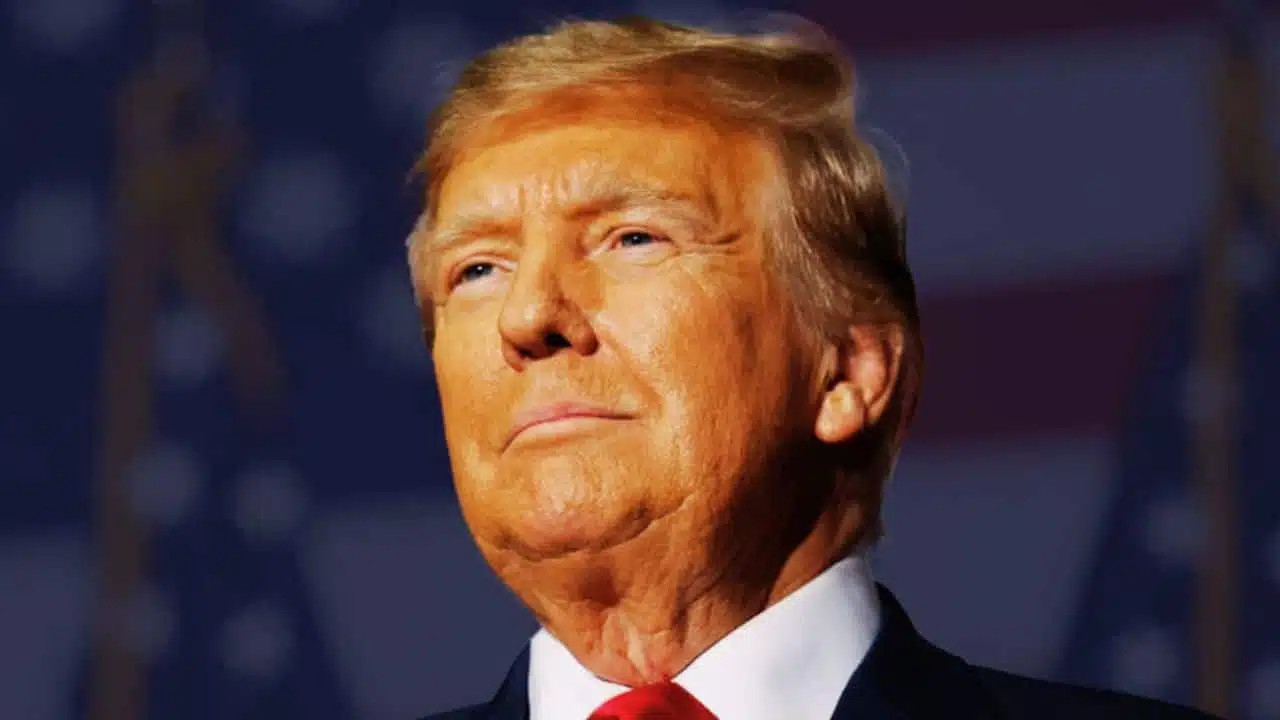
In a move that has stirred international reaction and revived memories of his earlier immigration policies, former President Donald Trump signed a new travel ban proclamation on Wednesday, June 4, 2025, targeting citizens from a dozen countries deemed to pose national security concerns. The restrictions are set to go into effect on Monday, June 9, at 12:01 a.m. Eastern Time.
The executive proclamation bars entry into the United States for nationals of 12 countries and imposes partial visa restrictions on an additional seven. This development is a renewed push by Trump to reintroduce a core element of his earlier immigration agenda under the banner of national safety, border control, and terrorism prevention.
Full Ban: Citizens from 12 Countries Barred from Entering the U.S.
According to the official proclamation, full travel bans have been placed on the following countries:
-
Afghanistan
-
Myanmar (Burma)
-
Chad
-
Republic of the Congo
-
Equatorial Guinea
-
Eritrea
-
Haiti
-
Iran
-
Libya
-
Somalia
-
Sudan
-
Yemen
This means that citizens from these nations who are currently outside the United States and do not possess valid U.S. visas as of June 9, 2025, will be denied entry. The administration claims these countries either fail to meet U.S. security standards for traveler vetting or do not adequately share criminal and security-related information with U.S. agencies.
A senior official from the Department of Homeland Security stated that intelligence assessments concluded that these countries have “significant deficiencies in identity management and information sharing,” making it difficult to properly screen travelers for security risks.
Partial Ban: 7 Countries Face Limited Restrictions
Alongside the full bans, the Trump administration has also partially restricted travelers from seven other countries, though with narrower limitations. These nations are:
-
Burundi
-
Cuba
-
Laos
-
Sierra Leone
-
Togo
-
Turkmenistan
-
Venezuela
For these countries, specific visa categories are limited, such as suspending certain types of immigrant or work-related non-immigrant visas. The restrictions are based on high visa overstay rates, lack of cooperation on deportations, and refusal to accept repatriated nationals.
Justification: National Security and Screening Concerns
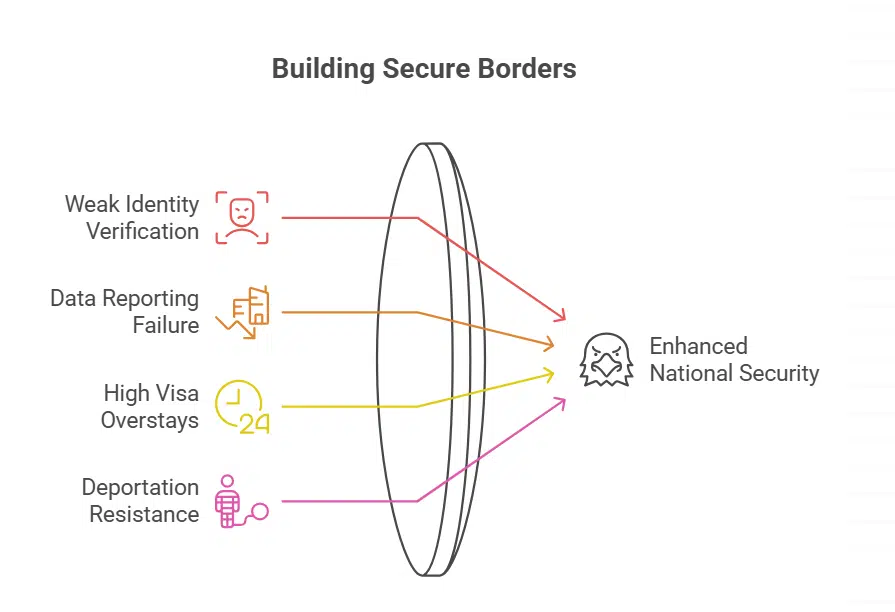
The White House stated that the policy is based on recommendations from a multi-agency security review ordered by Trump on his first day back in office. The proclamation claims the listed countries either:
-
Do not maintain robust identity verification systems,
-
Fail to report criminal or terrorism-related data to U.S. authorities,
-
Have higher-than-average rates of visa overstays,
-
Or resist accepting the return of their citizens who are deported from the U.S.
Trump, in a video address posted on Wednesday night, said the new proclamation is essential to “keep Americans safe from hostile foreign actors” and referred to a broader strategy of rebuilding U.S. border integrity.
Trigger Event: Attack on Jewish Protesters in Colorado
Trump cited a recent violent incident in Boulder, Colorado, as a major influence on the timing of the travel ban. On Sunday, June 2, a man identified as Mohamed Sabry Soliman, an Egyptian national, allegedly attacked a group of pro-Israel demonstrators by throwing a molotov cocktail into the crowd, injuring several people.
Soliman had reportedly overstayed his U.S. tourist visa, a fact that the administration used to highlight the dangers of lax immigration enforcement. While Egypt is not included in the current travel ban list, the incident has added urgency to calls from Republican lawmakers to include stricter enforcement mechanisms for visa compliance and screening.
Who Is Exempt from the Travel Ban?
The proclamation does include exceptions to the restrictions. Among those not affected are:
-
U.S. lawful permanent residents (green card holders)
-
People holding valid visas issued before June 9, 2025
-
Dual nationals traveling on passports from non-banned countries
-
Foreign diplomats and those traveling under official or NATO status
-
Athletes participating in international sporting events (e.g., Olympics)
-
Immediate family members of U.S. citizens or permanent residents, provided they can prove the relationship using “clear and convincing evidence” like DNA records
The proclamation emphasizes that humanitarian exceptions may be granted on a case-by-case basis, especially for individuals in need of urgent medical care, political asylum, or those facing persecution.
Legal Background: Echoes of the 2017 Muslim Ban
This 2025 travel ban closely resembles Trump’s controversial 2017 executive order, which barred travelers from several Muslim-majority countries, including Iran, Libya, Somalia, Sudan, Syria, and Yemen. That ban faced widespread protests, numerous court challenges, and ultimately reached the U.S. Supreme Court, which upheld the policy in a 5-4 decision in 2018 under the argument of presidential powers over immigration and national security.
President Joe Biden rescinded that ban in 2021 during his first days in office, calling it “a stain on American values.” Trump’s 2025 version, while similar in structure, includes non-Muslim countries like Venezuela, Cuba, Laos, and Turkmenistan — perhaps an effort to fend off accusations of religious discrimination this time around.
Legal experts have already signaled that challenges to this new ban are expected, especially regarding how decisions were made and whether due process was adequately considered.
Global Reaction and Diplomatic Fallout
Reactions from foreign governments and human rights organizations have started to emerge:
-
Venezuelan officials condemned the restrictions as “fascist” and accused the Trump administration of trying to score political points.
-
Somalia’s foreign ministry issued a statement expressing “deep disappointment” and said it was willing to work with U.S. authorities to address security gaps.
-
Cuba and Iran, already under numerous sanctions, have criticized the move as ideologically motivated and lacking factual basis.
Human rights groups like Human Rights Watch and the American Civil Liberties Union (ACLU) have also raised concerns that the ban could further isolate vulnerable populations and create unnecessary hardships for refugees and families.
What’s Next?
The U.S. State Department has announced that visa applicants from affected countries will be notified directly, and embassies will suspend appointments for impacted categories beginning June 9.
White House officials have hinted that the list of restricted countries could change over time, based on whether nations improve their screening processes, share information with U.S. authorities, and adhere to international repatriation agreements.
Meanwhile, U.S. border officials have been instructed to begin enhanced vetting procedures and prepare for an expected surge in waiver applications and humanitarian requests.
The new travel ban reflects President Trump’s ongoing strategy to prioritize national security and tighten immigration policies — a signature theme of his political platform. Whether this move boosts his standing among supporters or reignites legal and public backlash remains to be seen.
As the policy takes effect next week, travelers, families, advocacy groups, and legal professionals are bracing for its impact and preparing for what may become a new chapter in the U.S. immigration policy debate.