
The global technology landscape in 2025 is increasingly vibrant, competitive, and dynamic, with cities worldwide fiercely competing to position themselves as the next major centers of innovation.
These thriving tech hubs are transforming technology, reshaping businesses, and profoundly impacting societies by nurturing groundbreaking advancements across various sectors, including artificial intelligence, biotechnology, sustainability, financial technology (fintech), robotics, and more. Based on critical criteria such as talent availability, funding levels, innovation outputs, startup ecosystems, and supportive government policies, the Global Tech Ecosystem Index 2025 has identified and ranked the top tech cities globally.
Here’s an extensive, detailed look at the world’s top tech hubs leading the innovation charge in 2025:
1. Bay Area, US
The Bay Area continues to reign as the global epicenter of technological innovation. Home to Silicon Valley, it hosts numerous tech giants like Google, Apple, and Meta, prestigious universities such as Stanford and UC Berkeley, and a dynamic startup ecosystem. It notably leads developments in AI, biotechnology, autonomous vehicles, and sustainable technologies, attracting substantial global investments.
2. New York City, US
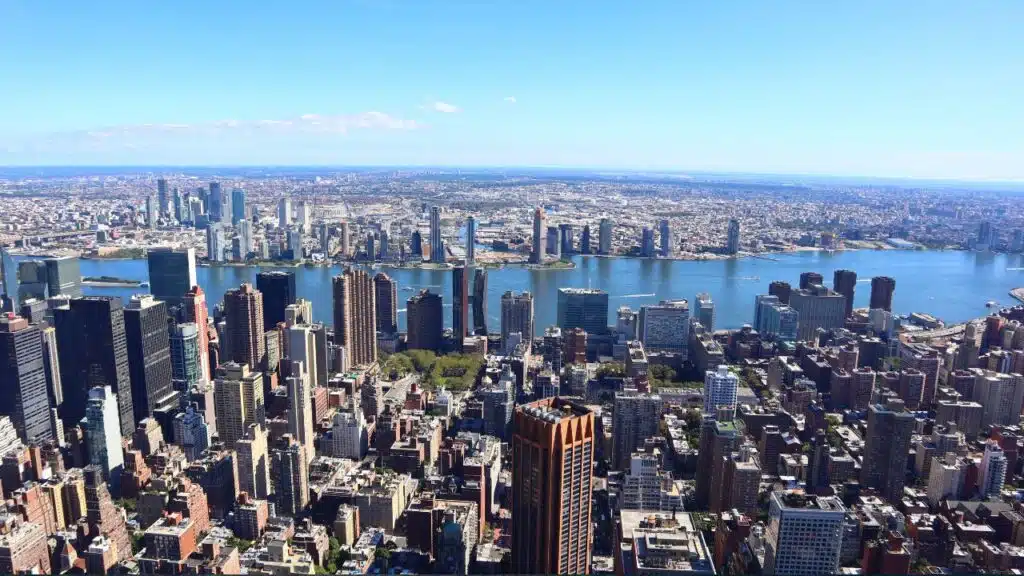
New York City uniquely integrates finance, media, and technology, thriving particularly as a global hub for fintech and enterprise software. The city benefits from deep capital markets, diverse international talent, and institutions like Columbia University and New York University, enabling it to lead innovations in blockchain, cybersecurity, and digital finance.
3. Boston, US
Boston remains a powerhouse for life sciences, robotics, and medical innovation, driven by renowned institutions like MIT, Harvard, and Massachusetts General Hospital. It effectively integrates academic research, healthcare advancements, and entrepreneurial ecosystems, continuously launching groundbreaking biotech startups.
4. Paris, France
Paris is at the forefront of Europe’s fintech and deep technology sectors, strongly backed by government investments and policies promoting innovation. The city has attracted significant venture capital funding, bolstering startups specializing in AI, quantum computing, fintech solutions, and renewable energy technologies.
5. Austin, US
Austin has rapidly grown into a major global technology hub, appealing to startups and established tech corporations alike due to its favorable business environment, appealing cultural scene, and technological strengths in semiconductors, software, clean energy, and electric mobility solutions.
6. London, UK
London maintains a commanding presence in fintech, cybersecurity, and regulatory technology, underpinned by stringent regulations, world-class universities such as Imperial College London, and a highly cosmopolitan workforce. It remains Europe’s leading city for fintech innovation, significantly contributing to digital banking and financial security technologies.
7. Seoul, South Korea
Seoul is globally recognized for its leadership in consumer electronics, 5G infrastructure, AI-driven technologies, and robotics. Major conglomerates like Samsung and LG dominate the scene, supplemented by an energetic startup ecosystem and strategic governmental support for innovation.
8. San Diego, US
San Diego excels in biotechnology, genomics, and health technology. It seamlessly integrates life sciences and data science, supported by renowned research institutions such as UC San Diego and the Salk Institute, and hosts numerous promising health-tech startups.
9. Los Angeles, US
Los Angeles is uniquely positioned at the intersection of entertainment, technology, and digital media, excelling in gaming, Web3 innovations, augmented reality, aerospace, and biotechnology. Its vibrant entertainment industry continues to drive significant advancements in virtual and augmented reality.
10. Tel Aviv, Israel
Tel Aviv has cemented its global reputation in cybersecurity and defense technology, leveraging elite military training programs, extensive venture capital investments, and a rapidly growing startup community. Its innovative security solutions continue to attract international collaborations and partnerships.
11. Toronto-Waterloo, Canada
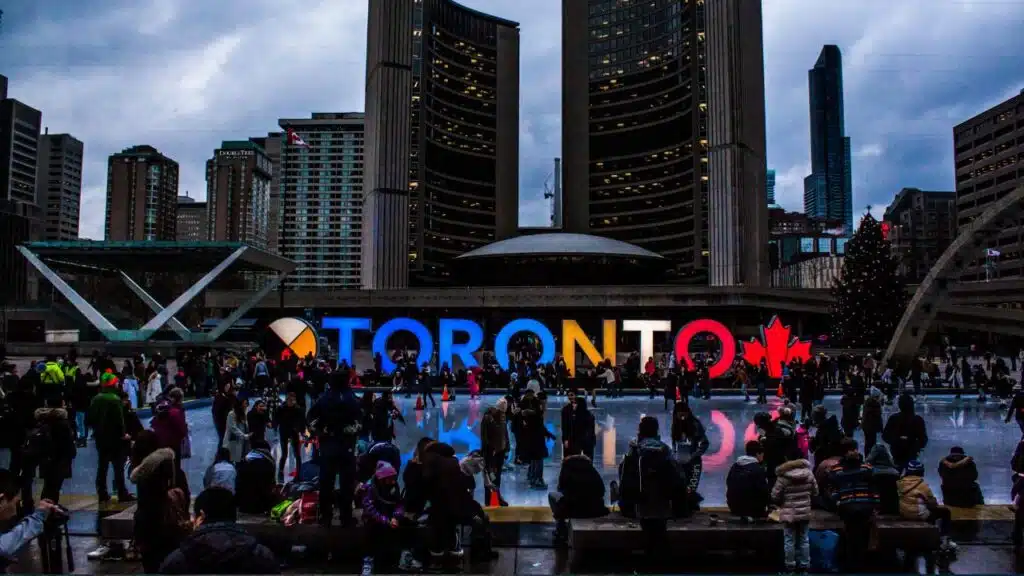
This Canadian corridor is North America’s emerging tech center, fostering growth in deep tech, AI, fintech, and enterprise software. Anchored by the Vector Institute, the University of Toronto, and the University of Waterloo, it enjoys strong governmental support and robust venture capital funding.
12. Washington, D.C., US
Washington, D.C., continues to excel in cybersecurity, defense technology, and government tech initiatives, benefiting from proximity to federal agencies and policy-making institutions. It attracts numerous tech startups focused on cybersecurity solutions, regulatory technologies, and public-sector innovations.
13. Shanghai, China
Shanghai is central to China’s smart-city initiatives, AI development, fintech, and e-commerce growth. The city’s bustling startup ecosystem, significant local and international investments, and strategic governmental support position it as a key driver of technological innovation in Asia.
14. Singapore
Singapore continues as a major global financial center and smart-city pioneer, particularly excelling in fintech, sustainable urban technologies, and regulatory innovation. Its strategic location, rigorous regulatory framework, and robust digital infrastructure make it an attractive hub for international tech enterprises.
15. Stockholm, Sweden
Stockholm thrives in fintech, green technology, and gaming. Its conducive innovation environment, sophisticated digital infrastructure, and successful unicorn startups like Klarna and Spotify reinforce its reputation as one of Europe’s most productive tech ecosystems.
16. Chicago, US
Chicago combines deep expertise in logistics, fintech, health technology, and supply chain innovations, supported by leading academic institutions like the University of Chicago and Northwestern University. The city’s strategic location and industrial connections provide significant advantages for tech startups.
17. Munich, Germany
Munich remains Germany’s industrial and technological powerhouse, driven by strong corporate research, development centers, and prestigious universities. It significantly contributes to deep tech, automotive innovations, climate technology, and AI-driven solutions.
18. Beijing, China
Beijing continues to be China’s prominent deep-tech center, housing major tech companies like Baidu, ByteDance, and Xiaomi. Supported by top universities like Tsinghua and Peking University, Beijing attracts extensive government funding, fostering innovation in AI, quantum computing, and autonomous technology.
19. Seattle, US
Seattle retains its global leadership in cloud computing, AI, and enterprise software. Home to tech giants like Amazon and Microsoft, Seattle attracts top talent and nurtures startups, benefiting significantly from robust innovation ecosystems and research institutions.
20. Mumbai, India
Mumbai rapidly advances in fintech, media tech, and enterprise SaaS, benefiting from enhanced infrastructure, startup support initiatives, and global venture capital inflows. India’s financial capital increasingly supports diverse technology-driven financial services and digital media enterprises.
21. Amsterdam, Netherlands
Amsterdam thrives digitally, particularly excelling in logistics, sustainability, and smart city innovations. The city attracts international startups with its open culture, strong global connectivity, English-speaking environment, and proactive governmental policies promoting sustainable technologies and digital infrastructures.
22. Cambridge, UK
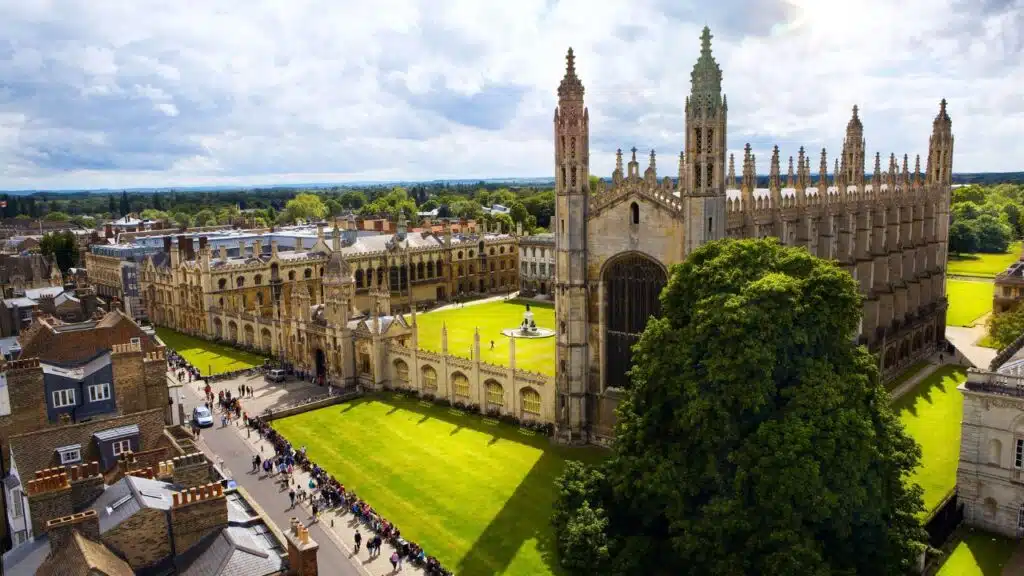
Cambridge remains a global leader in deep technology, biotech, quantum computing, artificial intelligence, and pharmaceuticals. Its technological growth is significantly driven by cutting-edge research conducted at the University of Cambridge, strong local investments, and a supportive entrepreneurial ecosystem.
23. Tokyo, Japan
Tokyo is central to Japan’s advancements in robotics, electronics, automation, and smart infrastructure. Backed by large corporations like Sony, Toyota, and Panasonic, the city has a growing startup culture focused on AI applications, health tech solutions, and innovative urban technologies.
24. Denver, US
Denver increasingly gains prominence in climate technology, aerospace, enterprise SaaS, and green innovations. The city attracts tech startups and remote workers due to its high quality of life, favorable economic environment, extensive outdoor amenities, and increasing venture capital interest.
25. Dallas, US
Dallas excels in enterprise technology, telecom, fintech, and digital infrastructure development. Benefiting from significant corporate relocations, strong industry connections, and robust local markets, it supports a collaborative environment fostering startup growth and technology-driven solutions.
26. Miami, US
Miami has emerged prominently in fintech, cryptocurrency, blockchain technology, and Latin American tech innovations. Driven by favorable tax structures, diverse cultural influences, significant inflows of venture capital, and talent migration, it acts as a vibrant gateway for international startups.
27. Hong Kong
Hong Kong remains a powerful fintech, AI, and blockchain hub, strategically acting as a financial and technological bridge to mainland China. Its advanced regulatory frameworks, financial market sophistication, and emphasis on cross-border digital solutions continually attract global enterprises.
28. Sydney, Australia
Sydney effectively integrates finance and technology, particularly excelling in fintech and digital health solutions. With strong research institutions, governmental support, and excellent livability standards, Sydney serves as an essential technology gateway to the Asia-Pacific markets.
29. Bengaluru, India
Bengaluru, India’s Silicon Valley, continues to excel in software services, SaaS, AI applications, and deep tech innovations. Benefiting from abundant engineering talent, global R&D centers, increasing venture capital attention, and robust governmental initiatives, it remains a major global technology hub.
30. Copenhagen, Denmark
Copenhagen leads the world in green technologies, sustainable urban innovation, health tech, and clean energy solutions. Supported by progressive government policies, a strong public-private collaboration culture, and a design-centric approach, it exemplifies sustainable technological development.
As we look ahead, these global tech hubs are set to significantly shape the future, driving economic growth, societal transformation, and technological breakthroughs. Collaboration between government bodies, academic institutions, and private sectors will be vital in sustaining innovation momentum. The competition among cities to become technology leaders will undoubtedly foster further advancements, ensuring that these hubs remain at the forefront of global innovation and continue to enrich communities around the world.