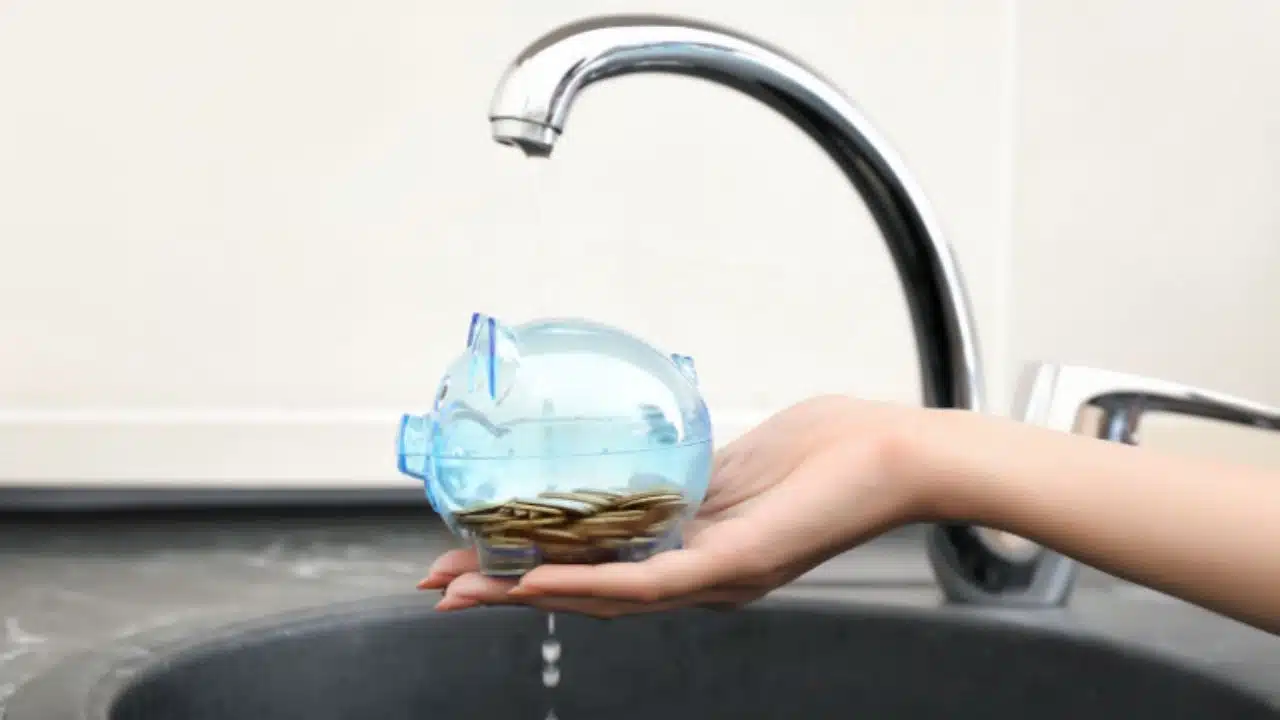
Water conservation is a global concern that has gained prominence in recent years. With climate change and unpredictable weather patterns, focusing on reducing water usage has become increasingly significant. However, managing water consumption has become even more paramount in the sun-dappled city of Canberra, where the population is regularly expanding and climatic conditions are erratically fluctuating. Furthermore, the increased emphasis on environmental sustainability has necessitated the exploration of diverse approaches to water conservation. Among these, one of the most practical and cost-effective solutions proposed is Do-It-Yourself or DIY.
DIY water conservation solutions are about home-based methods that are simple to implement and helpful in reducing water usage, thereby contributing towards lower water bills. For homeowners, the appeal of DIY lies in its dual role of being a cost-saver and a thoughtful step towards sustainability and resource conservation. The beauty of these DIY solutions is that they reduce expenses and have a noteworthy impact on conservation efforts. By employing several water-saving strategies in our homes, we can reap cost-saving benefits and contribute towards environmental preservation and sustainability.
Conduct a Water Audit at Home
Water audits are a fundamental first step towards reducing water usage. The primary aim of a water audit is to assess and understand water consumption in detail. A water audit enables homeowners to pinpoint where the most water is used and identify possible areas of excessive or unnecessary water consumption. Without this audit, planning and implementing water reduction strategies effectively can be challenging.
Initiating an audit starts with evaluating your utility bills. Check out average water bills in Canberra to better understand typical household usage and potential savings. A detailed analysis of these bills over a significant period will paint a clear picture of your household’s water usage pattern. By associating these figures with daily activities such as cleaning, bathing, and cooking, you can identify the activities that consume the most water. This assessment is crucial for developing a roadmap for water conservation.
Specific tools, like home water audit kits, can be instrumental in guiding homeowners through a thorough water audit. Water flow rate calculators could assist in accurately measuring the amount of water that flows from taps, while moisture sensors can detect any hidden leaks within the pipeline. With these tools, homeowners can understand their water usage accurately and devise strategies targeting high-consumption activities.
The benefits of conducting a home water audit are manifold. It sheds light on comfort features that might be consuming more water than necessary and highlights the appliances and fixtures that could be upgraded for greater efficiency. A well-conducted water audit is a pioneering step towards bringing about long-term changes in household water consumption habits, which can translate into a significant reduction in water bills.
Install Low-Flow Fixtures and Appliances
Low-flow fixtures and appliances are remarkable innovations in the realm of water conservation. These devices are designed to limit the flow of water, thus drastically reducing the volume of water used, while ensuring optimum performance.
There are several types of low-flow fixtures available in the market. For example, low-flow showerheads reduce the amount of water dispensed but still maintain a strong pressure, enabling a satisfactory showering experience. Similarly, low-flow taps equipped with aerators maintain the flow and pressure while cutting down on the water used. Low-flow toilets are a revolution in water conservation as these toilets efficiently use less water per flush without compromising on performance.
Additionally, upgrading to water-efficient appliances such as energy-star certified dishwashers and washing machines can trim down water usage drastically. These devices are specially designed to use the minimum amount of water necessary to complete a cycle without adversely impacting their cleaning ability. The initial costs of these water-efficient appliances can be offset by the considerable amount of water they save in the long term.
Deploying water-saving fixtures and appliances substantially contributes towards lower water consumption and, therefore, reduced water bills, leading to significant financial savings. Further, their installation results in negligible changes to routine activities or comfort levels, underlining their viability as a water-conservation solution and reinforcing their contribution towards conserving local water resources.
Utilise Rainwater Harvesting Systems
In the age of increasing environmental consciousness, the ancient practice of rainwater harvesting has made a significant comeback. Rainwater harvesting is an environmentally friendly practice that involves collecting and storing rainwater for later use. Going beyond reducing dependence on the municipal water supply, these systems make a significant contribution towards sustainable living by utilising a natural, readily available resource.
Installing a basic rainwater collection system is a straightforward process that involves channelling the rainwater that falls on your roof to a storage tank using gutters and downpipes. To ensure that the stored water remains clean, basic filtration systems are often integrated within the setup. As gathering rainwater in this manner reduces the dependence on local water supplies, its benefits are two-fold – efficient water use and salient long-term financial savings.
Rainwater harvested can be used for a variety of activities, including watering gardens, cleaning exteriors, flushing toilets, laundry, car washing, and much more. This substantially reduces the use of treated water for these activities, further enhancing the savings on water bills and adding to its environmental benefits. By embracing rainwater harvesting, homeowners foster a profound connection between their homes and the broader ecosystem, thereby living more sustainably.
Implement Smart Landscaping Techniques
Smart landscaping is all about adopting water-efficient strategies to manage outdoor areas such as gardens, lawns, and backyards. With thoughtful planning and creative techniques, these areas can be transformed into aesthetically pleasing spaces that are low on maintenance and high on water efficiency.
A hallmark of smart landscaping is the use of drought-resistant and native plants. These species are inherently conditioned to thrive in local Canberra climatic conditions, requiring lesser water compared to exotic or non-native plants. Growing these locally adapted species not only reduces plant water consumption considerably but also enhances the local biodiversity.
Soil-improving techniques, such as adding compost or organic matter to improve soil health, can also play a significant role in water conservation. Improved soil quality absorbs and retains more water, reducing the need for frequent watering. Mulching also aids in water conservation as it prevents evaporation, maintains soil temperature levels and suppresses weed growth.
Drip irrigation techniques are another aspect of smart landscaping. These systems deliver water directly to the plant roots, ensuring minimal wastage and maximum efficiency. By incorporating these innovative techniques, homeowners can visibly reduce their water usage, subsequently lowering water expenses and bolstering property value through an appealing, sustainable landscape.
Fix Leaks and Maintain Plumbing Regularly
Regular checks and timely maintenance of a home’s plumbing system play a pivotal role in water conservation owing to their potential to reduce water wastage through leaks. Water leaks, both visible and concealed, can cause substantial wastage if left unnoticed and unrepaired.
Common leak sites include faucets, showerheads, toilets, under sinks, and sometimes even concealed pipelines. These leaks may seem insignificant, but over time, the volume of water wasted can add up to substantial levels, leading to inflated water bills.
Homeowners can learn to detect and fix simple leaks themselves, thereby preventing an enormous amount of water wastage. For instance, a running toilet can be fixed simply by replacing the flapper, saving hundreds of litres of water daily. Though minor leaks can be fixed with simple DIY strategies, larger leaks or complicated plumbing issues may require professional attention to prevent possible complications.
Being proactive in maintaining plumbing systems helps not only in detecting and repairing leaks but also in preventing plumbing emergencies that could potentially result in water wastage. By regularly inspecting, maintaining, and repairing plumbing fixtures and systems, a household can consistently reduce water consumption, leading to tangible long-term savings in water bills.
Conclusion
Reducing water consumption in Canberra is an attainable goal with the right strategies and mindful action. By conducting a water audit, installing low-flow fixtures and appliances, utilising rainwater harvesting systems, implementing smart landscaping techniques, and maintaining regular checks on plumbing systems, homeowners can effectively lower their water bills and make a substantial contribution towards water conservation.
Incorporating these methods into your routine not only helps manage personal expenses but also plays a crucial part in a larger conversation about resource conservation. Remember that every drop saved contributes to the betterment of our planet and the future generations to come. Check out average water bills in Canberra to get a sense of the potential savings you could make by implementing these methods in your household.
As homeowners, it’s time to turn towards mindful water usage and inspire others within the community by sharing successful water conservation tips and experiences. Water conservation needs a collective effort, and our individual actions can foster a community-wide mindset of sustainable water usage. Every step taken towards sustainability counts, and every drop of water saved adds up to make a significant difference.