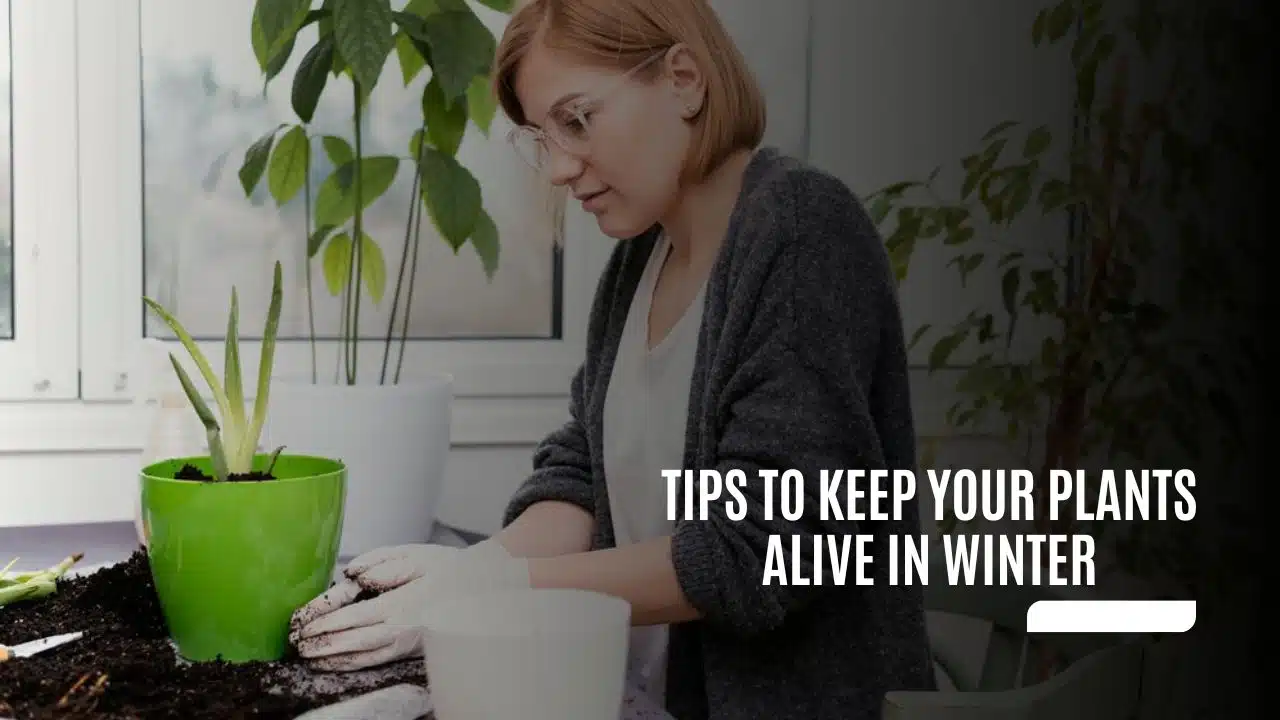
Winter can be a tough time for plants. The cold weather, shorter days, and dry air can stress even the hardiest greenery. But don’t worry! With some know-how and care, you can help your plants thrive during the chilly months. This guide will show you how to protect your leafy friends and keep them happy until spring arrives.
Understanding Winter’s Impact on Plants
Before we jump into the nitty-gritty of winter plant care, let’s take a moment to understand what our leafy friends are up against during the cold months:
- Cold Shock: Sudden temperature drops can cause plant cells to freeze and burst, leading to damage or death.
- Dehydration: Cold, dry air and frozen soil can prevent plants from absorbing enough water.
- Limited Light: Shorter days mean less sunlight for photosynthesis, slowing growth.
- Frost Damage: Ice crystals can form in plant tissues, causing irreparable harm.
- Wind Burn: Strong winter winds can strip plants of moisture and cause physical damage.
- Snow Load: Heavy snow can break branches and flatten smaller plants.
Understanding these challenges helps us create effective strategies to protect our plants. Now, let’s explore how to keep your indoor and outdoor plants happy when the mercury drops!
Indoor Plant Care: Cozy Comfort for Your Green Roommates
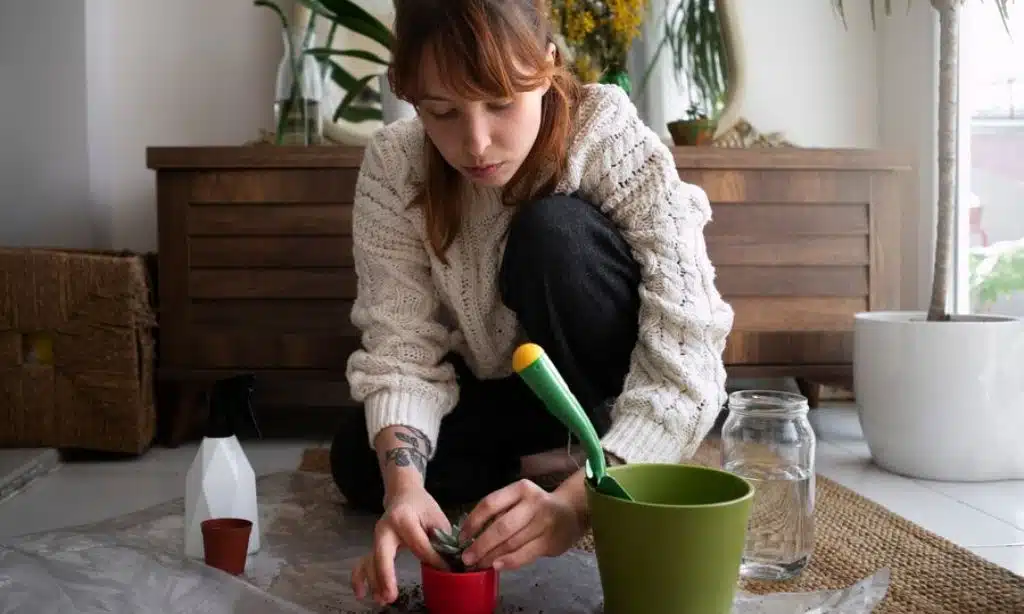
1. Location, Location, Location!
- Window Wisdom: Move plants away from cold windowsills, especially at night. A few inches can make a big difference!
- Draft Dodging: Keep plants away from drafty doors, windows, and heating vents. Fluctuating temperatures are plant enemy #1.
- Light Hunt: Relocate plants to catch maximum natural light. South-facing windows are prime real estate in winter.
2. Watering Wizardry
- Less is More: Plants grow slower in winter, so they need less water. Overwatering is a common winter plant killer!
- Moisture Check: Before watering, stick your finger about an inch into the soil. If it’s dry, it’s watering time.
- Lukewarm Love: Use room temperature water to avoid shocking your plants’ roots.
- Morning Routine: Water in the morning to allow excess moisture to evaporate before nightfall.
3. Humidity Helpers
- Plant Gangs: Group plants together to create a mini humid microclimate.
- Pebble Power: Place pots on trays filled with pebbles and water. As the water evaporates, it increases humidity.
- Mist Makeover: Mist broad-leaved plants daily, especially if you have forced-air heating.
- Humidifier Hero: Running a humidifier near your plants can work wonders, especially for tropical varieties.
4. Let There Be Light
- Rotate Regularly: Give plants a quarter turn weekly for even light exposure.
- Clean and Shine: Dust leaves gently with a soft, damp cloth to maximize light absorption.
- Artificial Assist: Invest in grow lights to supplement natural light, especially for light-hungry plants.
5. Temperature Tips
- Goldilocks Zone: Most houseplants are happiest between 60-75°F (15-24°C).
- Nighttime Nudge: Many plants can handle a slight temperature drop at night, mimicking their natural environment.
- Avoid Extremes: Keep plants away from radiators, fireplaces, and cold drafts.
6. Fertilizer Freeze
- Winter Fast: Most plants don’t need fertilizer during winter dormancy.
- Spring Awakening: Resume feeding in early spring when you see new growth.
- Exceptions: If you must fertilize, use a diluted solution at half the recommended strength.
7. Pest Patrol
- Regular Inspections: Check plants weekly for signs of pests or disease.
- Isolation Station: Quarantine new plants or those showing signs of trouble.
- Natural Remedies: Try neem oil or insecticidal soap for common pests like spider mites or mealybugs.
Outdoor Plant Care: Bundling Up Your Garden Buddies
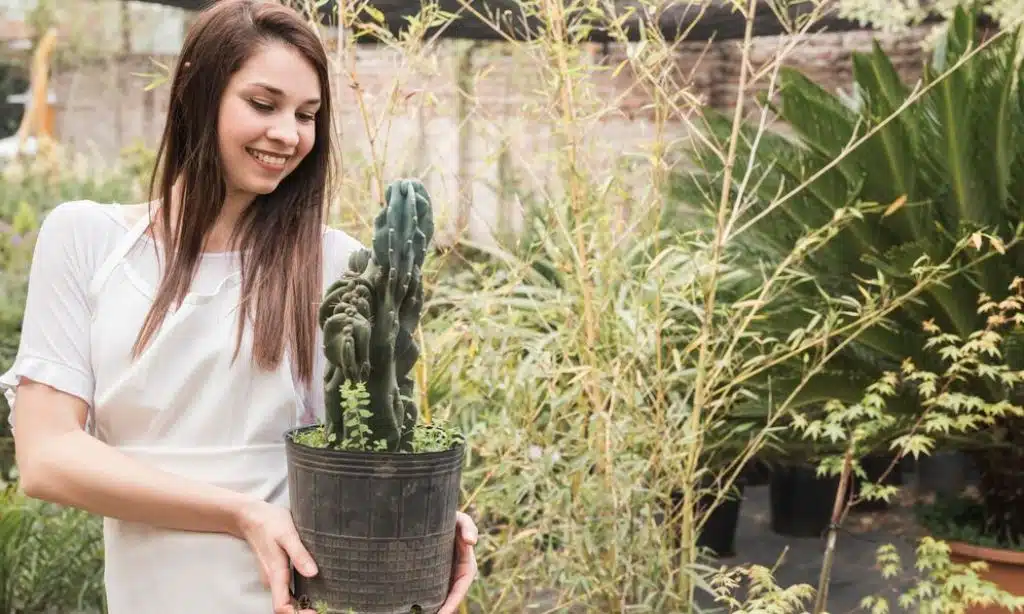
1. Mulch Magic
- Insulation Layer: Apply 2-4 inches of mulch around plant bases after the ground freezes.
- Material Matters: Use straw, leaves, wood chips, or compost as mulch.
- Breathe Easy: Keep mulch a few inches away from plant stems to prevent rot.
2. Hydration Station
- Pre-Freeze Prep: Water plants deeply before the ground freezes solid.
- Winter Watering: On mild days, water if the ground isn’t frozen, especially evergreens.
- Morning Glory: Water in the morning to allow plants to absorb moisture before evening freezes.
3. Wrap It Up
- Burlap Blankets: Wrap sensitive shrubs and small trees in burlap or frost cloth.
- Frame Game: Create a frame around plants to prevent snow from crushing them.
- Unwrap Regularly: Remove coverings on sunny days to prevent overheating and fungal growth.
4. Pot Protection
- Location Shuffle: Move potted plants close to building walls for extra warmth.
- Group Therapy: Cluster pots together and insulate with straw or bubble wrap.
- Elevate to Insulate: Place pots on styrofoam blocks to prevent freezing from below.
5. Pruning Prudence
- Timing is Everything: Avoid major pruning in late fall, which can stimulate vulnerable new growth.
- Dead or Alive: Remove only dead, diseased, or damaged branches during winter.
- Spring Cleaning: Save heavy pruning for late winter or early spring before new growth starts.
6. Anti-Desiccant Defense
- Evergreen Armor: Apply anti-desiccant sprays to evergreens to prevent winter burn.
- Application Tips: Spray on a dry day when temperatures are above freezing.
- Reapply Mid-Season: For best protection, reapply anti-desiccants in mid-winter on a mild day.
7. Windbreak Wonders
- Natural Shields: Plant or install windbreaks on the north and west sides of your garden.
- Temporary Tactics: Use burlap screens or snow fencing to create seasonal windbreaks.
- Living Walls: Consider planting evergreen trees or shrubs as permanent windbreaks.
Special Care for Different Plant Types

Succulents and Cacti: Desert Dwellers in Winter
- Dry and Bright: Move to a cool, dry spot with plenty of sunlight.
- Water Wisely: Water only when the soil is completely dry, about once a month.
- Rot Watch: Check regularly for signs of rot, especially at the base of the plant.
Tropical Plants: Paradise in Your Living Room
- Humidity Haven: Use pebble trays, daily misting, or a humidifier to boost moisture.
- Warm and Cozy: Keep temperatures steady, ideally between 65-75°F (18-24°C).
- Light Lovers: Provide bright, indirect light or supplement with grow lights.
Bulbs and Tubers: Tucked in for Winter
- Digging Day: After the first frost, dig up tender bulbs like dahlias and cannas.
- Storage Smarts: Store in a cool, dry place in peat moss, vermiculite, or sawdust.
- Check-Up Time: Inspect stored bulbs monthly for signs of rot or drying out.
Evergreens: Always Green, Always Thirsty
- Deep Drinks: Water deeply before the ground freezes to prevent winter burn.
- Wind Guard: Use burlap screens to protect from drying winds.
- Snow Patrol: Gently brush off heavy snow to prevent branch breakage.
Winter Plant Problem-Solving Guide
| Problem | Symptoms | Causes | Solutions |
|---|---|---|---|
| Overwatering | Yellowing leaves, mushy stems, mold on soil | Too frequent watering, poor drainage | Reduce watering frequency, improve drainage, repot if necessary |
| Underwatering | Crispy leaf edges, drooping, soil pulling away from pot sides | Insufficient watering, low humidity | Increase watering frequency, use a humidity tray |
| Low Light | Leggy growth, pale leaves, slow growth | Insufficient light exposure | Move to brighter location, use grow lights |
| Pest Infestation | Visible bugs, sticky residue, spotted leaves | Dry air, stressed plants, bringing outdoor plants inside | Isolate affected plants, use insecticidal soap or neem oil |
| Cold Damage | Black or brown patches on leaves, wilting | Exposure to cold drafts or freezing temperatures | Move to warmer location, protect from drafts, prune damaged parts |
| Fertilizer Burn | Brown leaf tips, stunted growth | Over-fertilizing during dormant period | Flush soil with water, hold off on fertilizing until spring |
| Root Rot | Wilting despite moist soil, brown mushy roots | Overwatering, poor drainage | Reduce watering, improve drainage, repot in fresh soil if severe |
Preparing for Spring: The Light at the End of the Tunnel
As winter’s grip begins to loosen, it’s time to prep your plants for their grand spring awakening:
- Gradual Wake-Up Call: Slowly increase watering as days get longer and temperatures rise.
- Feeding Time: Begin light fertilization in late winter to support new growth.
- Seed Starting: Get a jump on spring by starting seeds indoors for garden plants.
- Prune and Prime: Remove any winter-damaged branches and shape plants for spring growth.
- Repotting Round: Consider repotting plants that have outgrown their containers before new growth starts.
- Tool Time: Clean, sharpen, and oil your gardening tools to be ready for spring tasks.
- Outdoor Assessment: As snow melts, check for signs of animal damage or winter heaving in your garden.
Takeaway: Your Winter Wonderland of Greenery
Congratulations, plant champion! You’re now armed with the knowledge to transform your home and garden into a thriving oasis, even when the world outside looks like a winter wasteland. Remember, winter plant care is all about observation, adaptation, and a little bit of TLC.
As you apply these tips, you’ll discover the quiet joy of nurturing life through the coldest months. Your reward? A lush, vibrant burst of growth when spring finally arrives. Plus, you’ll have bragging rights when your neighbors wonder how your plants look so amazing after winter.
So, embrace your role as a winter plant guardian. Your leafy friends are counting on you, and with this guide, you’re more than ready for the challenge. Here’s to green thumbs and thriving plants, no matter the season!