

Finding a rental property in Italy with a fireplace can feel tricky. Many homes have them, but not all are ready for cold seasons. This blog gives practical tips to help you rent the right place and avoid problems later.
Keep reading for smart advice!
Key Takeaways
- Check fireplaces for maintenance and heating efficiency. Ask about recent cleanings, repairs, and fuel costs like pellet bags (€5-10 daily if used until midnight).
- Understand rental rules in Italy. Contracts often last 4+4 years with high deposits (2-3 months’ rent). Read agreements carefully for extra charges or limits on changes to the home.
- Factor heating expenses into your budget. Drafty homes with high ceilings may raise bills fast. Track meter readings to avoid surprises in euros.
- Inspect safety features before renting. Look for chimney cleaning proof, working alarms, fire extinguishers, and safe furniture placement near the fireplace.
- Confirm wood availability and storage options nearby. Wet wood burns poorly; check local markets or delivery services during cold seasons to prepare ahead.
Research Rental Locations with Cold Seasons
Choose areas with cooler climates like northern Tuscany, Italy. Towns near mountains or countryside often have colder winters. Fireplaces in these homes are more common and practical.
Avoid villas with large windows or French doors if heat escapes easily. Check for drafty spots by asking the estate agent before you visit. Move to the next step: checking fireplaces closely!
Prioritize Properties with Well-Maintained Fireplaces
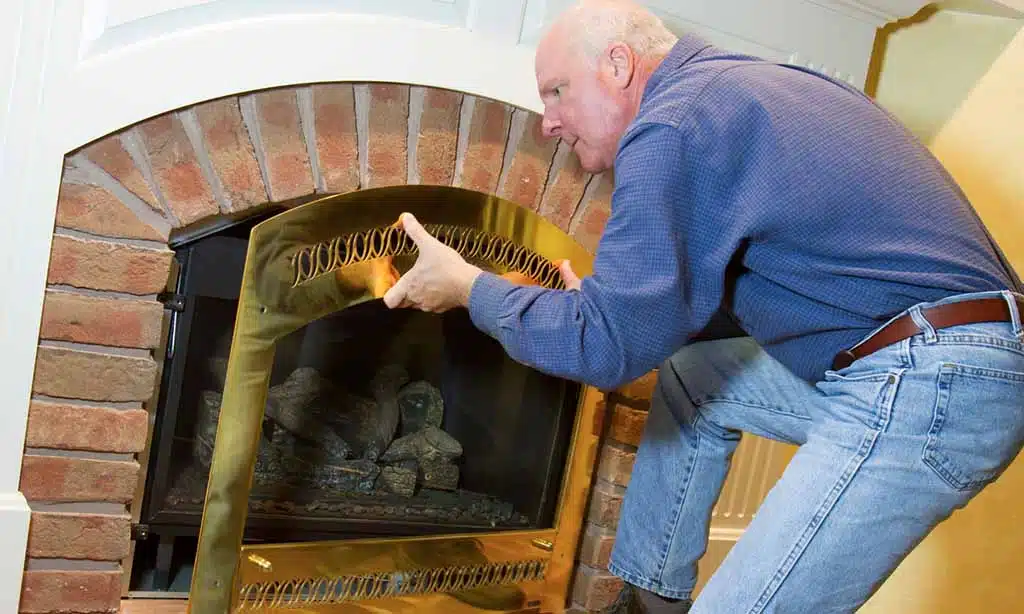
A well-maintained fireplace saves money and avoids trouble. Fireplaces in Italy often need yearly upkeep, including chimney cleaning. Renters usually cover these costs. Check for signs like clean chimneys or no soot buildup.
Ask landlords about recent inspections or repairs. A poorly kept fireplace could waste heat, raising expenses like firewood or pellets. For example, pellet stoves burn a bag of pellets daily if used until midnight.
Ignoring maintenance might mean higher heating bills and cold nights!
Verify Heating Efficiency of the Fireplace
Check if the fireplace heats well. Drafty windows, high ceilings, and big French doors make rooms harder to warm. These features may waste heat fast.
Ask how much fuel is needed daily. For example, pellet stoves burn one bag of pellets by midnight. Heating costs add up quickly, so check meter readings often to avoid surprise bills in euros.
Understand Local Rental Laws and Contracts
Italy’s rental contracts often last four years with an extra four-year renewal. Some shorter agreements exist but are less common. High deposits, usually two to three months’ rent, are normal in big cities like Rome or Milan.
Tenants must also provide valid identification and possibly a codice fiscale for payments.
Tenant rights protect you from unfair evictions. Check the tenancy agreement carefully before signing. It may include service charges like hot water heaters or fees for washers and dryers.
Some landlords might limit alterations to the property, even small ones like adding air conditioning or moving furniture trunks.
Factor in Additional Heating Costs
Heating a property in Italy can cost a pretty penny. High ceilings, large French doors, and drafty windows make homes harder to warm up. Heating bills add up fast if your fireplace isn’t efficient or the place leaks heat.
Pellet stoves are popular for extra warmth. One bag of pellets costs about 5-10 euros and lasts just one day if burned until midnight. Firewood expenses might pile on, too, depending on how much you use.
Keep track of meter readings to avoid surprises when that heating bill arrives!
Ask About Maintenance and Chimney Cleaning
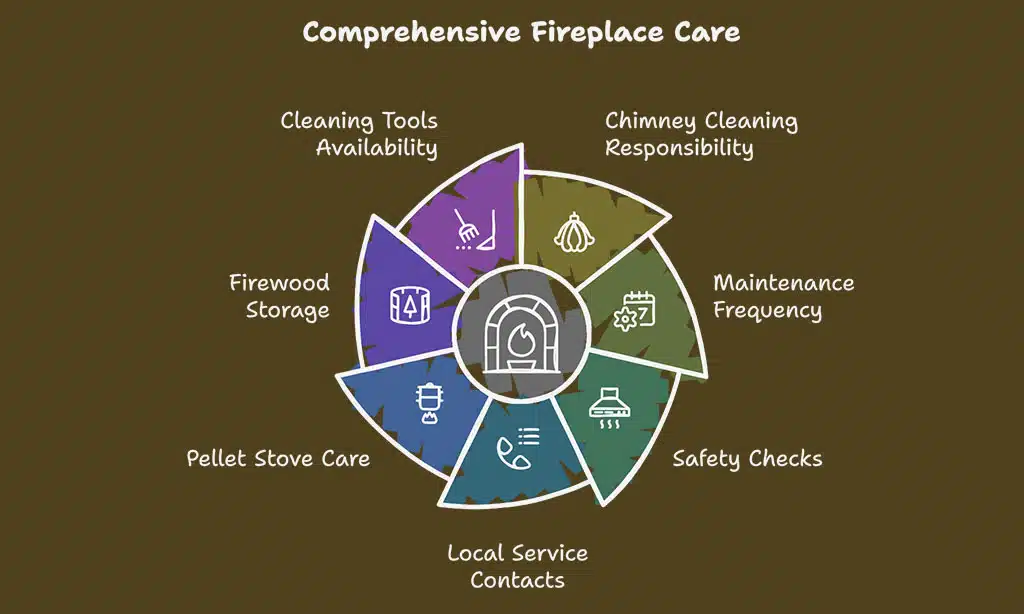
Taking care of a fireplace is important for safe and cozy living. Before renting, ask key questions about its upkeep.
- Who is responsible for chimney cleaning? Some landlords make tenants handle this. Cleaning usually costs between €50-€150 in Italy.
- How often is maintenance done? Chimneys need yearly checks to avoid fire risks and blockages.
- Is the chimney safe to use? Confirm no cracks or loose parts. These can cause smoke leaks or accidents.
- Will you have contact numbers for local services? Reliable cleaners are a must during emergencies or routine care.
- What about pellet stoves? If included, check how often they are cleaned. Also, ask about pellet storage space.
- If using firewood, where should it be kept? Proper storage keeps wood dry and ready for burning anytime.
- Does the property include cleaning tools? A brush set can save time and money, making DIY cleaning easier when needed.
Check for Firewood Availability and Storage
Make sure the fireplace works well, but also check if wood is easy to get. Firewood can be costly or hard to store.
- Ask landlords about stores or markets selling firewood near the rental property. Local markets might have cheaper options than supermarkets.
- Check if there’s a storage spot for firewood, like a shed or dry area, to keep it from getting wet.
- Find out how much firewood costs in the area and add this to your heating budget. This helps avoid surprises later with expenses.
- See how much wood you’ll need daily during cold months. For example, one bag of wood pellets lasts about a day of heating in Italy if used until midnight.
- Confirm if delivery services are available for firewood, especially during winter when carrying heavy loads might not be convenient.
- Inspect the type of fireplace—some may only burn specific kinds of fuel and not all wood types work well.
- If firewood isn’t an option, ask about alternate heating methods like pellet stoves for easier use.
- Check local rules about storing large amounts of firewood outdoors since some places set limits or safety guidelines.
Inspect Safety Features Around the Fireplace
A fireplace adds charm but can be risky if not safe. Check these safety features before renting.
- See if the chimney has been cleaned recently. Ask for receipts or proof of cleaning to avoid fire risks.
- Look for a working fire extinguisher nearby. It’s vital for emergencies, especially near open flames.
- Watch out for loose bricks or cracks in the fireplace structure. This may cause accidents or heat leaks.
- Test the fire alarm and carbon monoxide detector in the home. These devices save lives during smoke or gas leaks.
- Locate tools like a poker, tongs, and shovel near the hearth area to manage fires safely without burning yourself.
- Ensure there is a proper screen or glass cover on the fireplace opening to keep sparks inside.
- Inspect whether furniture, curtains, or rugs sit too close to it, as this increases fire hazards.
- Be sure that logs or kindling are stored safely away from open flames.
Next, let’s discuss how style and atmosphere can enhance a rental with a fireplace!
Consider the Style and Atmosphere of the Fireplace
The fireplace should match the charm of an Italian villa. A rustic stone design adds warmth in a Tuscan farmhouse, while sleek marble fits modern city apartments. Pick one that matches the vibe of your stay.
Different fireplaces set moods for nights by the fire. Classic wood-burning models crackle and glow, perfect for cozy evenings after exploring a festival like Sagra del Tartufo. Gas ones are cleaner but may lack that old-world feel.
Takeaways
Renting in Italy with a fireplace can be cozy, but it takes planning. Ask the right questions and check for heating costs. Safety and upkeep matter too. A good fireplace adds charm to any home, especially during cold months.
Make smart choices, and you’ll enjoy warm nights by the fire!
FAQs
1. What should I check before renting a property in Italy with a fireplace?
Inspect the fuse box, air conditioning, and small fridges like a bar fridge. Also, look for essentials such as an espresso maker or tea kettle.
2. Are there any taxes on rental properties in Italy?
Yes, income tax applies to rental income. You may also qualify for deductions depending on your situation.
3. How can I save money when renting in Italy?
Look out for discounts or promo codes during negotiations. A flat rate might help you manage costs better.
4. What documents do I need to rent a property in Italy?
You’ll need an ID card, travel documents if you’re from outside the Schengen area, and possibly a work visa if staying long-term.
5. Can I find properties with helpful appliances included?
Many rentals come with washing machines for washing clothes and other conveniences like grocery delivery options nearby.
6. Is public transportation good near most rental properties in Italy?
Yes, many areas have reliable public transportation that makes grocery shopping or visiting places easy without needing a car!






















