

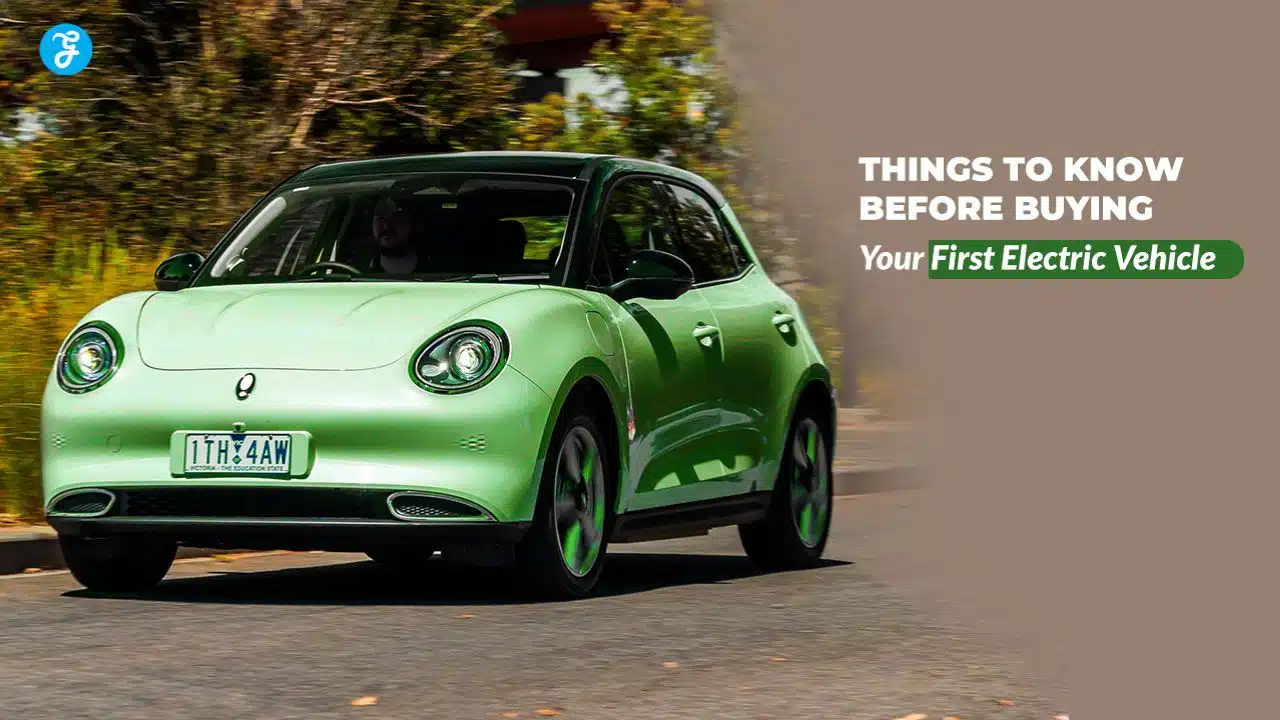
Switching to an electric vehicle (EV) is a big step toward embracing sustainable living and reducing your carbon footprint. However, transitioning from a traditional gasoline-powered car to an EV comes with a learning curve.
Understanding factors like range, charging infrastructure, and total ownership costs is essential for making an informed decision.
Here are 12 things to know before buying your first electric vehicle, helping you navigate the EV market with confidence.
1. Understand Your Driving Needs
Before choosing an electric vehicle (EV), understanding your driving habits is essential. Consider factors like your daily commute distance, the frequency of long trips, and whether you drive mostly in urban or rural areas.
For city driving, a compact EV with a shorter range might suffice, while long-distance travelers should prioritize models with extended range and fast-charging capabilities. Tailoring your choice to your lifestyle ensures that your EV will meet your needs seamlessly.
| Key Considerations | Details |
| Daily Commute Distance | Short vs. long-range EVs |
| Frequent Road Trips | Look for fast-charging and extended range |
| Urban vs. Rural Driving | Charging station availability varies |
2. EV Range and Battery Life
Range is one of the most crucial factors when buying an EV. It determines how far the vehicle can travel on a single charge, with most modern EVs offering ranges from 150 to over 400 miles. Additionally, the health of the battery influences range longevity.
Cold weather, driving style, and accessories like air conditioning can impact performance. Understanding these aspects ensures you select a model that suits your daily and long-term travel needs.
| Key Features to Evaluate | Details |
| Battery Capacity | Measured in kWh, determines range |
| Real-World Range | Check user reviews for practical performance |
| Warranty | Most manufacturers offer 8-year battery warranties |
3. Charging Infrastructure
Charging infrastructure is key to a convenient EV ownership experience. While home charging stations provide everyday convenience, public charging networks offer options for long trips. It’s important to know the availability and speed of charging stations in your area.
Faster options, like DC fast chargers, are ideal for road trips, while Level 1 and Level 2 chargers are better for home use. Planning your charging strategy helps prevent range anxiety and enhances convenience.
| Charging Levels | Charging Speed |
| Level 1 | 3-5 miles per hour |
| Level 2 | 25-30 miles per hour |
| DC Fast Charging | 60-80% charge in 30 minutes |
4. Total Cost of Ownership
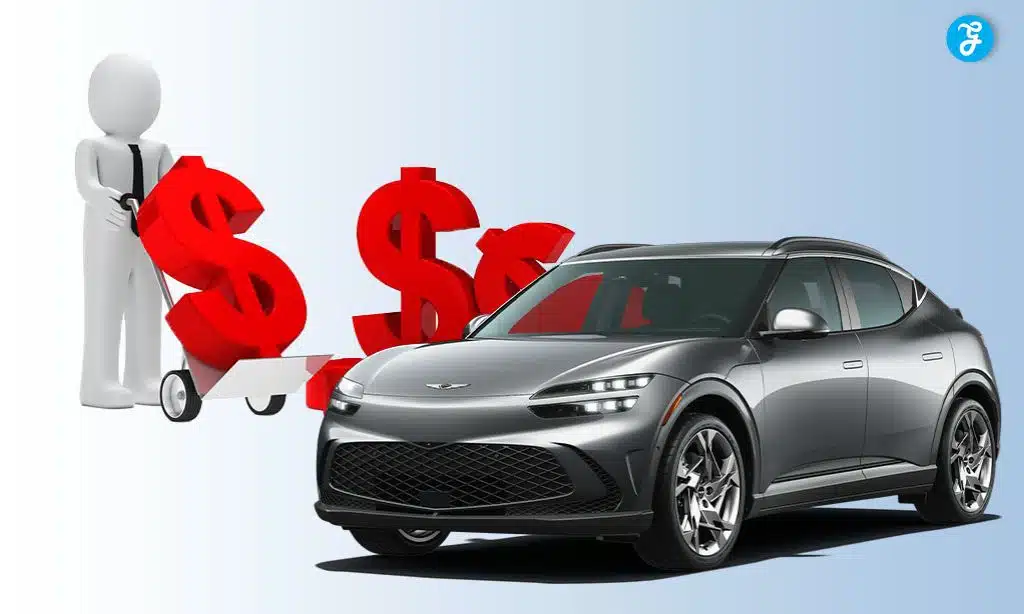
While EVs may have a higher upfront cost compared to traditional vehicles, they often save money over time. Lower fuel costs, fewer maintenance requirements, and government incentives make EVs more affordable in the long run.
Consider expenses like home charging setup, potential battery replacements, and electricity rates when calculating ownership costs. Understanding these financial aspects helps you make an informed decision that aligns with your budget and expectations.
| Cost Components | Details |
| Purchase Price | Consider federal and state tax credits |
| Charging Costs | Depends on electricity rates and usage |
| Maintenance | EVs require less maintenance than gas vehicles |
5. Federal and State Incentives
Government incentives play a significant role in reducing the upfront cost of an EV. In the U.S., federal tax credits can save you up to $7,500, while many states offer additional rebates or incentives.
Programs like utility discounts and reduced charging rates can further lower costs. Knowing what incentives are available in your region ensures you take full advantage of financial benefits, making EV ownership more accessible and cost-effective.
| Incentive Types | Details |
| Federal Tax Credits | Up to $7,500 for qualifying vehicles |
| State Rebates | Varies by state, often additional savings |
| Utility Discounts | Reduced electricity rates for EV owners |
6. Home Charging Setup
Setting up a home charging station is one of the most convenient aspects of owning an EV. While Level 1 charging uses a standard household outlet, it can be slow. Installing a Level 2 charger provides faster charging speeds but may require electrical upgrades.
This setup allows you to charge your EV overnight and start each day with a full battery. Understanding the costs and process of home charging ensures a smooth transition to EV ownership.
| Installation Costs | Details |
| Basic Setup | Minimal for Level 1 charging |
| Level 2 Charger | $500-$2,000 depending on brand and complexity |
| Professional Installation | May require an electrician |
7. Resale Value
Resale value is an important factor to consider when purchasing an EV. Factors like battery health, market demand, and technological advancements impact how much your vehicle will be worth in the future.
Popular models and brands with strong reputations tend to retain value better. Research depreciation trends and warranty options to ensure that your investment holds value over time, especially as the EV market continues to evolve.
| Factors Influencing Resale | Details |
| Battery Condition | Key determinant of value |
| Model Reputation | Popular models retain value better |
| Incentive Impact | Incentives may affect resale value |
8. EV Insurance Costs

Insurance for EVs can be slightly more expensive than for traditional cars due to their higher purchase price and specialized parts like batteries.
However, many insurance providers now offer tailored policies for EV owners, sometimes including discounts for driving an eco-friendly vehicle. Comparing quotes from multiple providers ensures you find coverage that balances cost and protection, giving you peace of mind while staying within budget.
| Key Insurance Considerations | Details |
| Coverage Options | Comprehensive and collision are essential |
| Battery Coverage | Ensure policies include battery protection |
| Discounts | Some providers offer green vehicle discounts |
9. Performance and Driving Experience
EVs are known for their smooth, quiet operation and instant torque, providing a unique driving experience. Acceleration is often faster than traditional cars, and a low center of gravity enhances stability.
Test-driving various models helps you identify the handling, comfort, and performance features that suit your preferences. Whether you’re a fan of sporty drives or leisurely cruising, EVs offer a variety of options to match your driving style.
| Performance Features | Details |
| Acceleration | Faster than most gas vehicles |
| Handling | Low center of gravity improves stability |
| Noise Levels | Virtually silent operation |
10. Model Availability and Features
The growing EV market offers diverse options across different price points and styles, from compact cars to SUVs. Each model comes with unique features, such as advanced driver-assistance systems, customizable interiors, and cutting-edge infotainment.
Researching available models within your budget ensures you find an EV that meets your needs. By prioritizing features like range, charging compatibility, and interior space, you can select a vehicle that perfectly aligns with your lifestyle.
| Popular Models | Details |
| Tesla Model 3 | High range, advanced tech |
| Nissan Leaf | Affordable and reliable |
| Ford Mustang Mach-E | Stylish and performance-oriented |
11. Environmental Impact
EVs are a sustainable alternative to traditional gas-powered cars, producing zero tailpipe emissions. This significantly reduces air pollution and contributes to cleaner cities. However, the overall environmental impact depends on how electricity is generated in your area.
Using renewable energy for charging further enhances the eco-friendliness of your EV. Battery recycling advancements are also making EVs more sustainable, ensuring that they remain a key part of the fight against climate change.
| Environmental Benefits | Details |
| Zero Emissions | Reduces air pollution |
| Renewable Energy Integration | Further reduces carbon footprint |
| Battery Recycling | Improving technologies for end-of-life batteries |
12. Future-Proofing Your Purchase
As EV technology evolves rapidly, choosing a future-proof model is essential. Look for features like over-the-air updates, advanced driver-assistance systems (ADAS), and compatibility with next-generation charging networks.
These features ensure your EV stays relevant and functional as technology improves. Investing in a model with strong manufacturer support and upgrade options allows you to enjoy long-term value and performance without worrying about obsolescence.
| Future-Proof Features | Details |
| Software Updates | Keep your EV up to date |
| ADAS Capabilities | Enhance safety and convenience |
| Compatibility | Ensure long-term usability |
Takeaway
Buying your first electric vehicle is an exciting step toward sustainable transportation. By considering these 12 things, you’ll be better equipped to choose an EV that meets your needs, budget, and lifestyle.
Take the time to research, test drive, and explore available incentives to make your transition to electric driving smooth and rewarding.
Let your journey into the future of mobility begin today!






















