

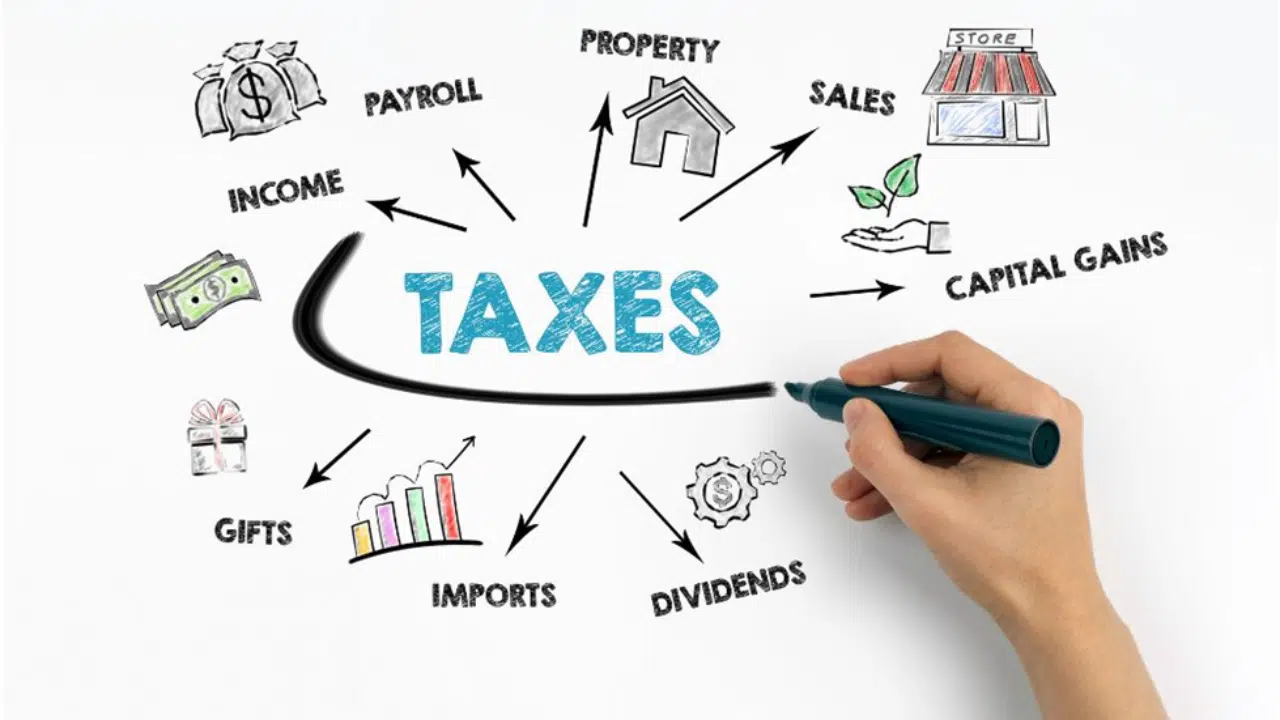
Tax obligations largely depend on an individual or business’s financial situation, including their earnings, modes of income, and expense structure. Any change in these variables also leads to a change in tax bills. While looking for ways to reduce taxes, one must optimise advance tax payment throughout the year rather than treating it as an overnight affair. Proper tax planning strategies let taxpayers change the facts that might lower their tax bills. It involves analysing the current financial situation and identifying opportunities to improve tax efficiency.
Here are a few tax planning strategies to optimise the payments throughout the year and lower tax obligations significantly.
-
Being Strategic with Income
The mode of earning money significantly impacts the tax payment. The government provides several subsidies and incentives to business owners and real estate investors. Those involved in the production of energy, agriculture, and other such commodities are also eligible for government benefits. Since these activities promote economic growth, governments tax these producers at lower rates.
As a tax planning strategy, one must closely examine their mode of earning and identify opportunities to maximise tax benefits. Business owners must track their annual income and distributions to optimise their tax planning strategy and e-filing of income tax return.
-
Reviewing the Entity
An entity is an organisation conducting business. Setting it up for a business is the best way to reduce taxes. The government taxes different entity types differently, so choosing the right entity type and planning wisely is essential. A business owner may establish itself as an S Corp, C Corp, partnership, or self-employed. As a tax planning strategy, one must review the entity every year. Adding or removing an entity or changing its ownership or status may significantly impact the self-assessment tax calculation.
-
Checking the Accounting Method
Business owners can use cash or accrual method of accounting, depending on their gross income. The cash accounting method recognises income on receipt and expenses on payment. Conversely, the accrual method recognises income on earnings and expenses when they incur. One tax planning strategy is to check the accounting method and choose one with more tax benefits.
-
Good Bookkeeping
Bookkeeping is a dull, monotonous work. Yet, timely and accurate bookkeeping is an excellent tool to reduce taxes. Good bookkeeping includes reconciling the balance sheet accounts, identifying errors in the balance sheets and profit and loss statements, and identifying new tax deductions for smooth tax filing and advance tax payment process.
-
Updating Documentation
Proper and updated documentation is the best way to support effective tax planning strategies. Current documentation is also necessary during an audit. The required documents include receipts, minutes of meetings for businesses and entities, loan documents, agreements, etc.
-
Evaluating Tax Exemptions Under IT Section 80C
Section 80C of the IT Act provides several options to curb tax obligations. It provides tax deductions for investments in PPF, EPF, NSC, NPS, Home Loans, pension funds, tax-saving FDs, etc. Taking advantage of these deductions can reduce tax liabilities by as much as Rs 1.5 Lakh. Since many of these provisions require long-term investments and commitments, they also facilitate wealth accumulation apart from saving taxes.
-
Utilising Sections 80C, 80D, 80E and 80G
While Section 80C provides a strong beginning, it does not conclude tax planning. A savvy tax planning approach encompasses a year-round investment strategy. After making the most of the standard tax deductions under Section 80C one must explore additional deductions under different acts to optimise the tax burden and minimise the advance tax payment. These include tax deductions on education loans under Section 80E, tax deductions for donations to charitable institutions under Section 80G, tax deductions on health insurance under Section 80D, etc.
-
Assessing Tax Liabilities at Regular Intervals
After estimating the tax amount for a financial year, one must regularly assess their actual income and expenses to adjust the tax planning strategies accordingly. For instance, if the expected revenue is Rs 50,000 per month but the actual income is Rs 80,000, the taxpayer must raise their investments and take appropriate steps accordingly. Not watching the tax liabilities regularly may require a considerable lump sum investment at the end of the year.
Optimising your e-tax payments throughout the year presents various advantages. Although it seems time-intensive, daunting, and challenging, there is always time to begin. Thorough planning is a valuable source of directly impacting advance tax payment. Proper tax planning leads to immediate savings and contributes to the nation’s growth.























