

Buying property in Austria is an exciting opportunity for both investors and individuals looking for a dream home in one of Europe’s most scenic and stable countries.
Whether you’re considering a cozy chalet in the Alps, a modern apartment in Vienna, or a countryside retreat, understanding the property market and legal requirements is essential to making an informed decision.
This guide will walk you through the most important things to know before buying property in Austria, covering legal considerations, costs, financing options, and potential pitfalls to avoid.
Why Consider Buying Property in Austria?
Austria has long been recognized as one of Europe’s most stable and resilient real estate markets. Property values have consistently appreciated over the years, making it an attractive destination for investors and homeowners.
With a strong economy, high demand in urban areas, and a well-regulated property sector, Austria offers a secure and profitable environment for real estate investments.
Benefits for Foreign Buyers
- Strong legal framework protecting property owners
- No annual property tax for personal residences
- High rental demand in tourist-heavy regions like Vienna and Salzburg
- High quality of life and secure environment
- Attractive mortgage rates for eligible foreign buyers
- Availability of luxury and high-yield rental properties
Best Locations for Investment
- Vienna: Ideal for investors looking for high rental yields and capital appreciation.
- Salzburg: A top choice for those interested in short-term holiday rentals.
- Innsbruck: Great for ski property investments.
- Lakes Region: Popular for vacation homes with stunning views.
- Graz: Affordable properties with a rising demand from students and professionals.
Legal Considerations for Foreign Buyers
Austria has specific regulations for foreign property buyers. EU and EEA citizens generally have the same rights as Austrian citizens.
However, non-EU buyers must obtain approval from regional authorities, which varies by state. In some provinces, additional restrictions apply to second-home purchases.
Property Ownership Laws in Austria
- Freehold vs. Leasehold: Most properties are freehold, meaning buyers own the property outright.
- Restrictions: Some regions have zoning laws restricting non-residents from purchasing second homes.
- Legal Documentation: Buyers must ensure that contracts are legally binding and notarized.
- Inheritance Laws: Austrian property laws ensure a structured inheritance system, particularly relevant for non-residents.
10 Things to Know Before Buying Property in Austria
Before diving into the Austrian property market, it’s essential to familiarize yourself with local regulations, financing options, and legal procedures.
Austria offers a well-regulated real estate sector, ensuring protection for buyers.
However, foreign investors, especially non-EU citizens, may face additional steps in the purchasing process.
Understanding the legal framework and potential costs associated with buying property in Austria will help avoid unforeseen expenses and ensure a smooth transaction.
1. Understanding the Austrian Real Estate Market
Austrian property prices vary based on location, demand, and economic factors. Recent trends indicate that property values in cities like Vienna and Salzburg are steadily increasing, making early investment beneficial.
The Austrian market remains resilient due to strong demand, limited housing supply, and government policies supporting property stability.
| Key Factors | Impact on Market |
| High Demand in Cities | Increases property values |
| Government Regulations | Maintain market stability |
| Limited Housing Supply | Drives price appreciation |
2. Choosing the Right Location
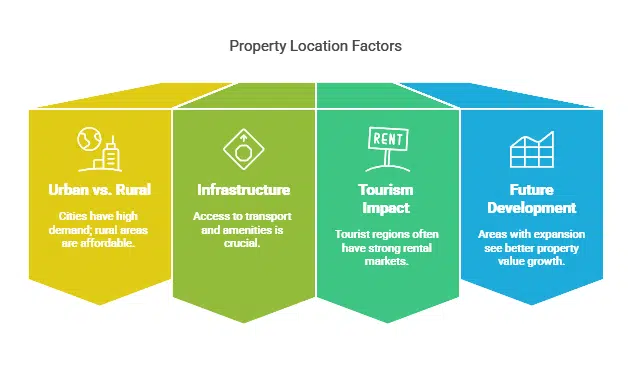
- Urban vs. Rural Properties: Cities offer high rental demand, while rural areas provide affordable options.
- Infrastructure and Connectivity: Consider access to public transport, roads, and amenities.
- Tourism Impact: Regions like Tyrol and Salzburg have strong rental markets due to tourism.
- Future Development: Areas undergoing infrastructure expansion see better appreciation.
3. Costs and Fees Associated with Buying Property
Aside from the purchase price, buyers must factor in additional costs:
| Cost Type | Percentage of Property Price |
| Property Transfer Tax | 3.5% |
| Registration Fee | 1.1% |
| Notary Fees | 1–3% |
| Real Estate Agent Fee | 3–4% |
| Legal Fees | 1–2% |
| Mortgage Arrangement Fee | 1–1.5% |
4. Financing and Mortgage Options
Foreigners can apply for mortgages in Austria, but conditions may differ from local buyers. Austrian banks typically offer financing up to 60% of the property value for non-residents, with interest rates ranging from 1.5% to 3%.
However, loan approval depends on various factors, including the applicant’s income stability, credit history, and legal residency status.
Some banks may require a higher down payment (typically 40-50%) for non-residents to mitigate risk. Additionally, loan terms can range from 10 to 30 years, depending on the lender’s policies and the applicant’s financial standing.
| Factor | Details |
| Maximum Financing | Up to 60% of property value for non-residents |
| Interest Rates | 1.5% – 3% (varies by bank and applicant profile) |
| Down Payment | Typically 40-50% for non-residents |
| Loan Term | 10 – 30 years |
| Eligibility Criteria | Credit score, income stability, residency status |
Foreign investors are advised to consult with multiple banks or mortgage brokers to compare loan offers and find the best financing options.
Additionally, working with a local legal expert can help navigate mortgage agreements, ensuring compliance with Austrian regulations and minimizing potential legal complications.
5. Understanding the Buying Process

Purchasing property in Austria requires following a structured legal and financial process to ensure a smooth transaction. Buyers should be aware of the following key steps:
- Find a Property: Work with a licensed real estate agent who understands local regulations and market conditions.
- Due Diligence: Verify the property’s legal status, ownership rights, and any existing liabilities associated with it.
- Sign a Preliminary Agreement: This is a binding agreement that typically requires a deposit, often 10% of the property price.
- Legal Review & Notary Involvement: Austrian law mandates that property transactions must be certified by a notary. They review contracts, verify legal standing, and register the transaction.
- Final Payment & Registration: The remaining payment is made, and the property ownership is officially registered in the Austrian Land Register (Grundbuch).
| Step | Key Considerations |
| Find a Property | Use a licensed real estate agent, consider location and budget |
| Due Diligence | Check zoning laws, existing mortgages, and legal history of the property |
| Preliminary Agreement | Usually requires a 10% deposit and outlines key transaction terms |
| Notary & Legal Review | Notarization is mandatory, and legal verification ensures a secure transaction |
| Final Payment & Registration | Ownership is transferred only after registration in the Grundbuch |
Buyers are encouraged to consult with legal professionals and real estate experts to navigate the Austrian property market successfully. Ensuring that all contracts are reviewed thoroughly before signing can prevent future legal disputes and financial losses.
6. Legal Due Diligence and Contracts
Before proceeding with a property purchase in Austria, buyers must ensure thorough legal due diligence to prevent any future disputes or financial risks.
Understanding key legal aspects and obligations is crucial to securing a safe transaction.
| Legal Aspect | Importance |
| Contract Review | Ensures transparency and compliance with Austrian law |
| Ownership Verification | Confirms legitimate seller and avoids fraud risks |
| Notary Involvement | Protects both parties and validates contract execution |
| Land Registry Check | Confirms that the property is free from encumbrances and correctly registered |
| Property Liabilities | Ensures there are no outstanding debts, liens, or unpaid taxes attached to the property |
| Local Zoning Laws | Determines whether the property usage aligns with zoning regulations |
| Building Permits & Compliance | Confirms if the property follows construction laws and permits |
Additionally, hiring a qualified legal professional experienced in Austrian real estate law can provide valuable guidance through contract negotiations, ownership transfer procedures, and due diligence checks.
This approach helps mitigate risks and ensures a legally secure property acquisition.
7. Residency and Tax Implications
When purchasing property in Austria, it’s important to consider the tax implications and residency options that come with property ownership.
Residency is not automatically granted by purchasing property, but long-term investments may support visa or residency applications.
Taxes also play a key role in overall costs, including capital gains tax, rental income tax, and property-related levies.
| Tax Type | Rate | Details |
| Capital Gains Tax | 27.5% | Applies if property is sold within 10 years of purchase; exemption applies after this period for personal residences. |
| Rental Income Tax | Progressive tax rates | Rental income is taxed progressively, depending on income level. Deductions may apply for property maintenance expenses. |
| Property Transfer Tax | 3.5% | Charged at the time of purchase, calculated on the property value. |
| Land Registry Fee | 1.1% | Required for property ownership registration in the Austrian Land Register. |
| Annual Property Tax | Varies | Based on assessed property value; rates differ by municipality. |
8. Rental Potential and Investment Returns
Investing in rental properties in Austria can be highly lucrative, especially in high-demand areas such as Vienna, Salzburg, and ski resorts in Tyrol.
Buyers should carefully evaluate the rental strategy that best fits their goals, whether short-term holiday rentals or long-term residential leases.
| Rental Type | Avg. Yield | Best Locations | Key Considerations |
| Short-Term Rentals | 5-7% | Vienna, Salzburg, Innsbruck, Tyrol | High tourist demand, requires active management, may be subject to local rental regulations |
| Long-Term Rentals | 3-6% | Vienna, Graz, Linz, Salzburg | Stable income, lower turnover, tenant laws apply |
| Luxury Rentals | 4-8% | Kitzbühel, Salzburg, Vienna | Premium market, seasonal demand, high maintenance costs |
| Student Rentals | 4-6% | Graz, Vienna, Innsbruck | Steady demand, university proximity essential, potential for high turnover |
9. Maintenance and Property Management
Effective property management is key to preserving the value of your investment and ensuring a smooth rental experience. Proper maintenance not only prevents costly repairs but also enhances tenant satisfaction and retention rates.
Investors should consider hiring a professional property management service if they do not plan to live in Austria full-time.
| Aspect | Details |
| Tenant Management | Screening tenants, handling leases, managing complaints and requests |
| Repairs & Maintenance | Regular inspections, fixing issues promptly, ensuring compliance with safety regulations |
| Rental Collection | Ensuring timely rent payments, handling deposits and late fees |
| Property Upkeep | Cleaning services, pest control, landscaping, and common area maintenance |
| Emergency Services | 24/7 support for urgent repairs such as plumbing or electrical failures |
Hiring a property management company can cost between 5% and 10% of the rental income, but it ensures professional handling of property-related issues, which can save time and reduce stress for investors.
10. Common Pitfalls to Avoid
Many first-time property buyers in Austria encounter unexpected challenges. To avoid costly mistakes, consider the following:
| Pitfall | Solution |
| Hidden Costs | Budget for legal fees, renovation expenses, and maintenance costs beforehand. |
| Legal Complexities | Work with a real estate lawyer to verify contracts and compliance with zoning laws. |
| Unreliable Sellers | Always conduct background checks and work with reputable real estate agents. |
| Unrealistic Rental Expectations | Research rental market trends and verify realistic income projections. |
| Poor Property Condition | Get a professional property inspection before purchasing to avoid unexpected repairs. |
By understanding and mitigating these risks, investors can enjoy a smooth property acquisition and long-term financial benefits in Austria.
Takeaways
Buying property in Austria is a rewarding investment when done correctly. By understanding the legal requirements, financial implications, and market trends, you can make an informed decision that ensures a smooth purchasing process and long-term value.
Whether you’re looking for a permanent residence, a rental investment, or a vacation home, knowing the key aspects of Austrian real estate will help you navigate the market with confidence.
Are you ready to explore the Austrian property market? Start your journey today by researching the best locations and consulting with experts to make your investment a success!
























