

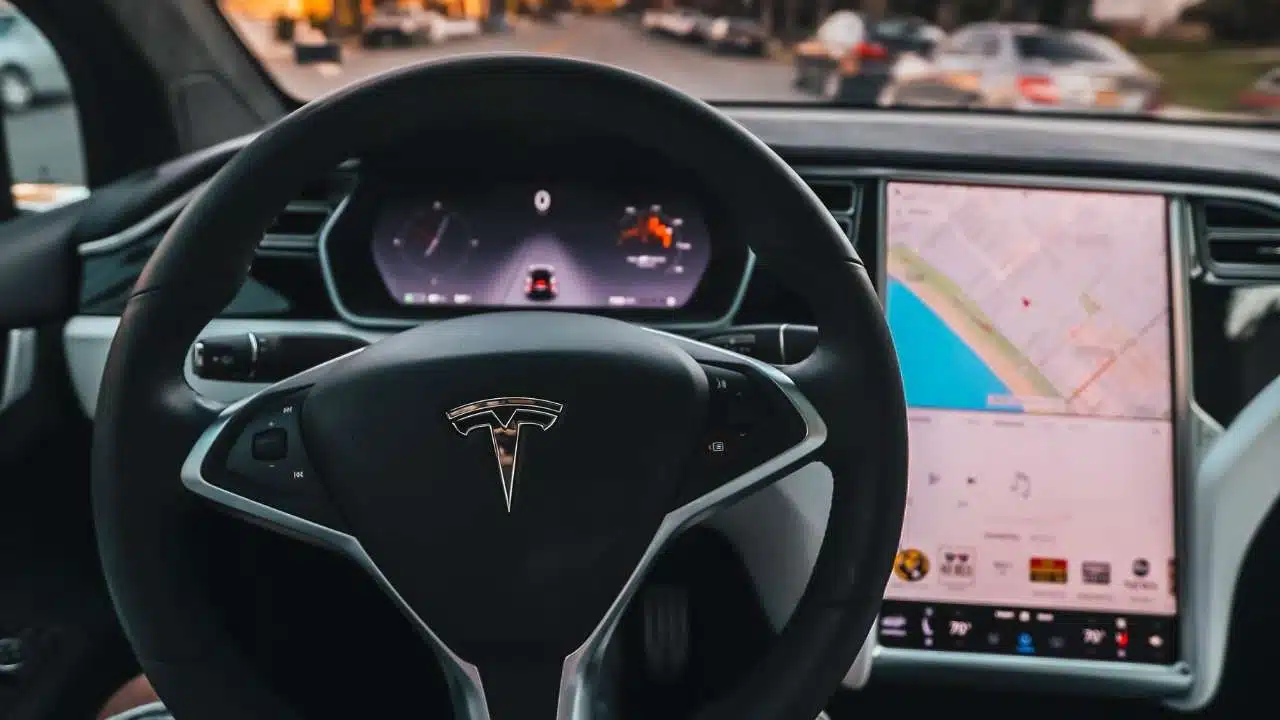
On December 8, 2025, Tesla launched some of its most aggressive promotions yet aimed squarely at boosting sales before the year ends. These include 0% APR financing available for up to 72 months on select inventory Model 3 and Model Y vehicles, $0 down payment options for leases across much of the lineup, and complimentary upgrades on features that normally carry hefty price tags.
Buyers must take delivery by December 31, 2025, to qualify, as the company works to address a buildup of unsold cars following a surge in third-quarter purchases. That rush happened right before the $7,500 federal EV tax credit expired on September 30, 2025, pulling forward demand and leaving Tesla with more stock than anticipated heading into the final stretch of the year.
Stacking Incentives to Move Inventory
Tesla’s 0% APR financing for as long as 72 months marks a standout move, especially when standard auto loan rates remain elevated in the current economic climate—often hovering well above 6% or 7% for most borrowers. This effectively hands buyers “free money” by eliminating interest costs over six years, making monthly payments far more affordable and appealing to a wider range of customers, from first-time EV owners to those upgrading from older models. On top of that, Tesla is throwing in free upgrades on inventory vehicles, waiving fees for premium options like Ultra Red multi-coat paint, 20-inch Überturbine wheels, white vegan interiors, or even full self-driving capability transfers in some cases—add-ons that typically cost anywhere from $1,000 to $2,500 or more.
Leases with $0 down further lower the entry barrier, allowing people to drive off in a new Model Y or Model 3 without upfront cash commitments. Industry observers, including those at Electrek, point out that when Tesla layers these perks together—zero-interest loans, no-down leases, and tossed-in extras—it sends a strong signal: the company has inventory sitting on lots that needs to move quickly. This strategy isn’t new for Tesla, which has periodically rolled out similar bundles during quarter-ends to hit delivery targets, but the timing here ties directly to the post-tax-credit hangover.
In Q3, deliveries spiked as buyers scrambled to claim the credit before it vanished, creating a temporary boom followed by a potential lull. Now, with holiday shopping season underway and competitors like Ford or GM pushing their own EV deals, Tesla’s all-in approach aims to keep momentum alive and avoid carrying over excess stock into 2026, when production ramps for refreshed models could complicate matters further.
Margin Pressures Mount Amid Volume Push
While these incentives stand to drive higher Q4 delivery numbers and help Tesla maintain its edge in the EV market, they come at a cost to profitability. Automotive gross margins slipped to 18% in Q3 2025, down from 19.8% in the same period a year earlier, battered by ongoing price reductions, elevated production costs for components like batteries, and fiercer competition from both legacy automakers and Chinese rivals like BYD. Tesla still managed a record 497,099 vehicle deliveries in that quarter—a 7% year-over-year increase that crushed analyst expectations of around 447,000—largely fueled by the pre-expiration tax credit frenzy. For Q4, projections vary widely: some analysts forecast 445,000 to 460,000 units, while the broader consensus hovers near 507,000, though skeptics doubt Tesla can match or exceed Q3 without that same tailwind.
Adding to the headwinds, Morgan Stanley downgraded its rating on Tesla stock to “Equal Weight” from “Overweight” on December 8, 2025, sparking a more than 4% drop in shares that day. The firm’s new analyst highlighted slowing EV adoption rates globally, intensified competition, and a rich valuation that prices in aggressive growth assumptions for robotaxis, Optimus robots, and full self-driving software—areas still years from meaningful revenue. Morgan Stanley slashed its 2026 delivery estimate by 10.5% to about 1.6 million vehicles and trimmed cumulative projections through 2040 by 18.5%, reflecting concerns over demand softness and margin erosion from deals like these.
Despite the downgrade, the bank set a $425 price target, suggesting the stock trades near fair value given Tesla’s strengths in energy storage, AI, and its massive Supercharger network. Interestingly, most Wall Street analysts maintain Buy or Strong Buy ratings overall, betting on Elon Musk’s vision to unlock trillions in future value beyond just car sales.





















