Electric vehicles (EVs) are no longer a relic from the distant future. They’re here, and they’re reshaping how we think about transportation, energy, and sustainability.
But as impressive as EVs are today, there are groundbreaking technologies, such as battery backup without solar, that promise to make them even more efficient, sustainable, and user-friendly.
This article explores technologies that transform electric vehicles and help us move toward a greener, smarter future.
Technologies That Transform Electric Vehicles
1. Solid-State Batteries
What Are Solid-State Batteries?
Solid-state batteries are a next-generation battery technology that replaces the liquid electrolyte found in traditional lithium-ion batteries with a solid electrolyte. This innovation has the potential to revolutionize EV batteries by making them safer, more efficient, and longer-lasting.
Benefits of Solid-State Batteries
- Higher Energy Density: Solid-state batteries can store more energy, which means EVs could have much longer ranges.
- Improved Safety: Unlike liquid electrolytes, solid electrolytes are non-flammable, reducing the risk of battery fires.
- Faster Charging: These batteries could significantly reduce charging times, making EVs more convenient.
- Longer Lifespan: Solid-state batteries are less prone to wear and tear, increasing their durability.
Current Developments
Several companies, including Toyota and QuantumScape, are investing heavily in solid-state battery research. While these batteries are not yet commercially available for EVs, experts predict they could enter the market by the late 2020s.
| Feature | Traditional Lithium-Ion | Solid-State |
| Energy Density | Moderate | High |
| Charging Time | Slow | Faster |
| Safety | Risk of fire | Safer |
| Durability | Moderate | High |
2. Wireless Charging Systems
How Does Wireless Charging Work?
Wireless charging, also known as inductive charging, allows EVs to charge without plugging into a charger. Instead, a charging pad transfers energy to the car’s battery using electromagnetic fields.
Advantages of Wireless Charging
- Convenience: Drivers can park their EV over a charging pad, and the vehicle charges automatically.
- Less Wear and Tear: Eliminates the need for physical connectors, which can wear out over time.
- Scalability: Wireless charging technology can be integrated into roadways, enabling charging on the go.
Current Status
Wireless charging is already being tested in some urban areas. Companies like WiTricity and Momentum Dynamics are leading the charge in developing this technology.
| Feature | Traditional Charging | Wireless Charging |
| Ease of Use | Plugging required | Automatic |
| Infrastructure Cost | Moderate | High (initially) |
| Charging on the Move | Not possible | Possible (future roads) |
3. Autonomous Driving Integration
The Role of AI in Autonomous EVs
Artificial intelligence (AI) and machine learning are key to making autonomous EVs a reality. These technologies enable vehicles to process vast amounts of data from sensors and cameras, allowing them to navigate safely without human input.
Potential Benefits
- Enhanced Safety: Reduces accidents caused by human error.
- Efficient Traffic Flow: Autonomous EVs can communicate with each other to optimize traffic.
- Convenience: Drivers can focus on other tasks while the vehicle handles navigation.
Challenges
Regulations and public trust remain significant hurdles. However, advancements in technology and testing, led by companies like Tesla and Waymo, are paving the way for widespread adoption.
| Aspect | Human-Driven EVs | Autonomous EVs |
| Safety | Dependent on driver | AI-driven |
| Efficiency | Moderate | High |
| Availability | Current | Future |
4. Vehicle-to-Grid (V2G) Technology
What Is V2G Technology?
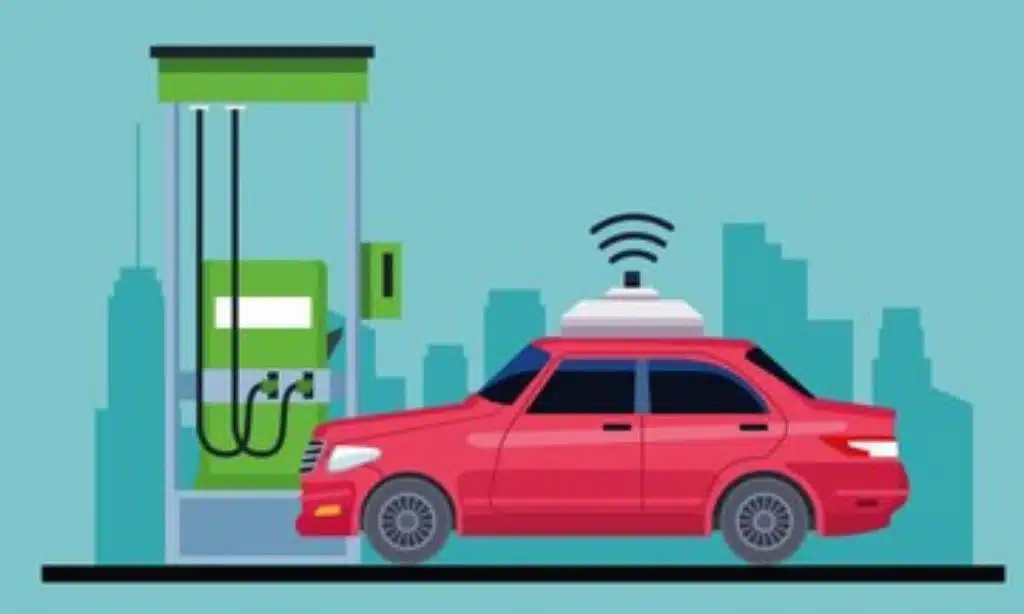
Vehicle-to-Grid (V2G) technology allows EVs to interact with the power grid. This means EV batteries can store excess energy and send it back to the grid during peak demand.
Benefits of V2G
- Energy Savings: EV owners can earn money by selling stored energy back to the grid.
- Grid Stability: Helps balance electricity supply and demand.
- Renewable Integration: Enhances the use of renewable energy by storing surplus power.
Real-World Applications
Countries like Denmark and Japan are piloting V2G programs. Automakers such as Nissan are also exploring this technology with models like the Nissan Leaf.
| Feature | Without V2G | With V2G |
| Energy Storage | One-way | Two-way |
| Grid Stability | Limited | Enhanced |
| Cost Savings for Owners | None | Possible |
5. Advanced Battery Recycling Solutions
Why Is Recycling Important?
As EV adoption grows, so does the need for sustainable battery disposal. Advanced recycling solutions aim to recover valuable materials like lithium, cobalt, and nickel from old batteries.
Benefits
- Environmental Impact: Reduces the need for mining raw materials.
- Cost Efficiency: Recycled materials can lower the cost of new batteries.
- Waste Reduction: Prevents batteries from ending up in landfills.
Latest Innovations
Companies like Redwood Materials are developing innovative recycling methods that achieve high recovery rates. Governments are also creating regulations to ensure responsible battery recycling.
| Aspect | Traditional Methods | Advanced Solutions |
| Material Recovery | Low | High |
| Environmental Impact | High | Low |
| Cost Efficiency | Moderate | High |
6. Ultra-Fast Charging Networks
What Is Ultra-Fast Charging?
Ultra-fast charging technology aims to reduce EV charging times to as little as 10–20 minutes. These networks use high-power chargers capable of delivering more than 350 kW of power.
Key Benefits
- Reduced Range Anxiety: Quick charging makes long-distance travel easier.
- Improved Convenience: Comparable to refueling a gas-powered vehicle.
- Wider Adoption: Encourages more people to switch to EVs.
Current Progress
Companies like Electrify America and Ionity are expanding ultra-fast charging stations across major highways, making long-distance EV travel more accessible.
| Feature | Standard Charging | Ultra-Fast Charging |
| Charging Time | Hours | Minutes |
| Infrastructure Cost | Low | High |
| User Convenience | Moderate | High |
7. Lightweight Composite Materials
Why Do Materials Matter?
Using lightweight materials like carbon fiber, aluminum, and graphene can significantly improve an EV’s performance and efficiency. Lighter vehicles require less energy to move, which extends battery range.
Benefits
- Improved Efficiency: Reduces energy consumption.
- Enhanced Performance: Lighter vehicles can accelerate faster.
- Durability: Composite materials are often stronger than traditional metals.
Future Potential
While lightweight materials are currently expensive, advancements in manufacturing processes could make them more affordable. Automakers like BMW are already incorporating carbon fiber into some EV models.
| Aspect | Traditional Materials | Composite Materials |
| Weight | High | Low |
| Efficiency | Moderate | High |
| Durability | Moderate | High |
Takeaway
Transformative technologies are on the horizon, promising a bright future for electric vehicles. From solid-state batteries and wireless charging to V2G systems and lightweight materials, these innovations will redefine how we drive, charge, and interact with our vehicles.
As these technologies mature, they promise to make EVs more efficient, convenient, and sustainable.
To stay ahead in this rapidly evolving industry, it’s crucial to follow emerging trends and understand the potential of these groundbreaking advancements. The journey toward a greener future is just beginning, and technologies that transform electric vehicles are leading the way.