Maintaining good dental health is crucial for overall well-being and quality of life. Our teeth play a vital role not just in eating and speaking but also in our confidence and self-esteem.
Unfortunately, many people struggle with common dental problems such as cavities, gum disease, and bad breath. The good news is that with proper care and attention, most of these issues can be prevented or managed effectively.
In this comprehensive guide, we’ll explore 15 amazing techniques to keep your teeth healthy. These strategies range from daily care routines to dietary choices, lifestyle habits, and professional dental care.
By implementing these techniques, you can ensure that your smile remains bright, healthy, and beautiful for years to come.
15 Daily Dental Care Routines

Let’s take a look.
Technique 1: Proper brushing technique

The foundation of good oral health starts with proper brushing. While most people brush their teeth regularly, many don’t do it correctly, which can lead to ineffective cleaning and potential damage to teeth and gums.
Choosing the right toothbrush: Opt for a soft-bristled toothbrush that fits comfortably in your mouth. Electric toothbrushes can be more effective at removing plaque, but a manual brush can work just as well when used correctly.
Correct brushing motions and duration: Hold your brush at a 45-degree angle to your gums and use gentle, circular motions. Brush for at least two minutes, spending about 30 seconds on each quadrant of your mouth. Don’t forget to brush your tongue to remove bacteria and freshen your breath.
Technique 2: Effective flossing methods
Flossing is often overlooked but is crucial for removing plaque and food particles from between teeth that your toothbrush can’t reach.
Types of floss: Choose from waxed or unwaxed floss, dental tape, or floss picks based on your preference and the spacing between your teeth.
Step-by-step flossing guide: Use about 18 inches of floss, winding most of it around your middle fingers. Gently guide the floss between teeth using a rubbing motion. When the floss reaches the gum line, curve it into a C shape against one tooth and slide it gently into the space between the gum and the tooth.
Technique 3: Using mouthwash effectively
Mouthwash can be a valuable addition to your oral care routine, offering benefits beyond just fresh breath.
Benefits of mouthwash: Mouthwash can help reduce plaque, prevent gingivitis, and kill bacteria that cause bad breath. Some also contain fluoride to strengthen tooth enamel.
How to choose the right mouthwash: Look for mouthwashes with the ADA Seal of Acceptance. If you have specific concerns like dry mouth or sensitive teeth, choose a mouthwash formulated for these issues. Avoid alcohol-based mouthwashes if you have dry mouth or are at risk for oral cancer.
Technique 4: Eating tooth-friendly foods
Your diet plays a significant role in your dental health. Certain foods can help strengthen your teeth and promote overall oral health.
Foods that promote dental health: Crunchy fruits and vegetables like apples, carrots, and celery stimulate saliva production, which helps neutralize acids and clean teeth. Dairy products like cheese and yogurt provide calcium and protein to strengthen tooth enamel.
Calcium-rich options for strong teeth: In addition to dairy, consider leafy greens, almonds, and calcium-fortified foods to ensure you’re getting enough of this essential mineral for strong teeth and bones.
Technique 5: Limiting sugary and acidic foods
Sugar and acid are two of the biggest enemies of healthy teeth. Reducing your intake can significantly improve your oral health.
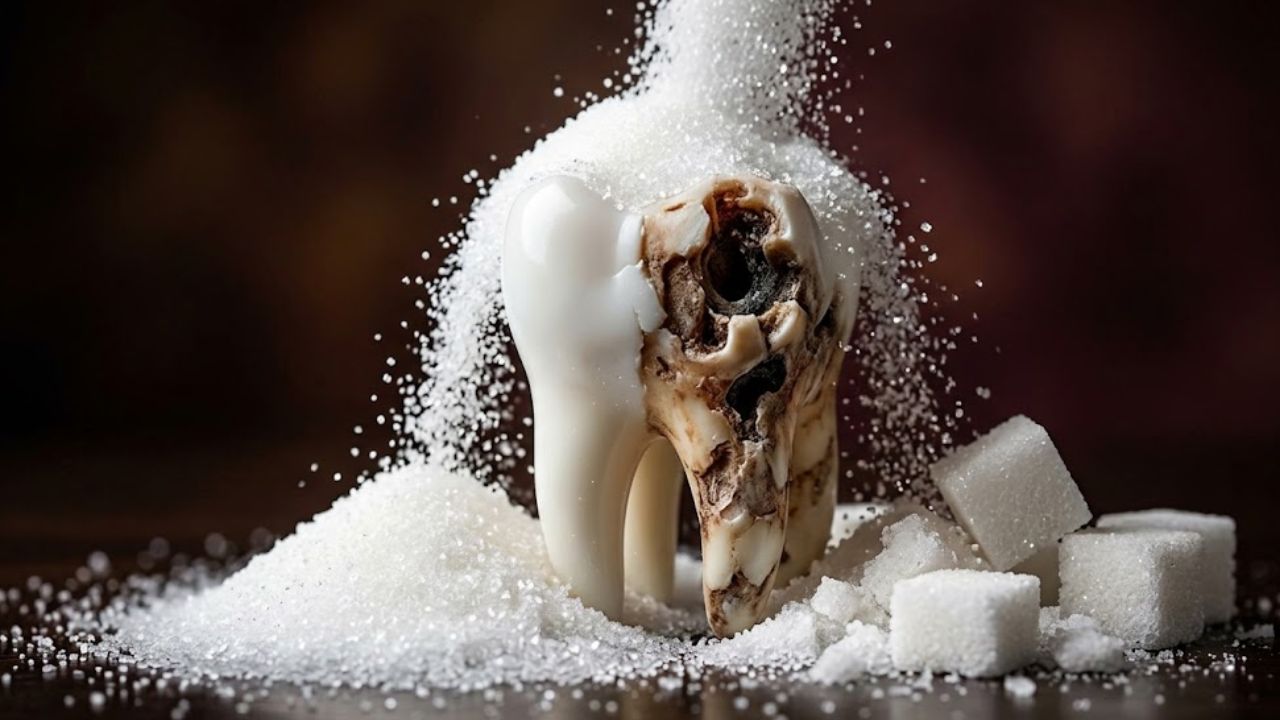
Impact of sugar on teeth: When bacteria in your mouth break down sugar, they produce acid that erodes tooth enamel, leading to cavities.
Alternatives to sugary snacks: Opt for sugar-free gum, fresh fruits, or nuts when you need a snack. If you do consume sugary foods, try to do so with meals rather than as standalone snacks to minimize the time your teeth are exposed to sugar.
Technique 6: Staying hydrated for oral health
Water is not just essential for overall health; it also plays a crucial role in maintaining oral hygiene.
Benefits of water for teeth and gums: Drinking water helps rinse away food particles and bacteria, neutralizes acids in your mouth, and prevents dry mouth, which can lead to bad breath and increased risk of cavities.
Optimal daily water intake: Aim for at least 8 glasses of water a day. Consider drinking water after meals to help cleanse your mouth if you can’t brush immediately.
Technique 7: Quitting smoking and tobacco use
Smoking and tobacco use have severe negative impacts on oral health, beyond just staining teeth.
Effects of smoking on oral health: Smoking increases the risk of gum disease, oral cancer, and tooth loss. It also impairs healing after dental procedures and can lead to chronic bad breath.
Resources for quitting: Consult your dentist or doctor for smoking cessation programs. Nicotine replacement therapy, counseling, and support groups can all be effective in helping you quit.
Technique 8: Limiting alcohol consumption
While moderate alcohol consumption may have some health benefits, excessive drinking can harm your oral health.
How alcohol affects teeth and gums: Alcohol can dry out your mouth, reducing saliva flow that helps protect against tooth decay. It can also increase your risk of oral cancer.
Moderation guidelines: If you choose to drink, do so in moderation. This generally means up to one drink per day for women and up to two drinks per day for men.
Technique 9: Protecting teeth during sports
For those who participate in sports, protecting your teeth from injury is crucial.
Importance of mouthguards: Mouthguards can prevent chips, cracks, and even tooth loss during contact sports or activities with a risk of falls.
Types of protective gear for teeth: Custom-fitted mouthguards from your dentist offer the best protection, but boil-and-bite guards from sports stores can also be effective. For high-impact sports, consider a full-face shield or helmet with a built-in mouthguard.
Technique 10: Oil pulling for oral health
Oil pulling is an ancient practice that has gained popularity in recent years for its potential oral health benefits.
What is oil pulling?: Oil pulling involves swishing oil (typically coconut oil) in your mouth for about 15-20 minutes before spitting it out.
How to practice oil pulling: Use a tablespoon of coconut oil and swish it around your mouth, pushing and pulling it between your teeth. Do this for 15-20 minutes, then spit the oil into the trash (not the sink, as it can clog pipes). Rinse your mouth thoroughly with water and brush your teeth as normal.
Technique 11: Using dental probiotics
Probiotics aren’t just for gut health; they can also benefit your oral health by promoting a balanced oral microbiome.
Benefits of oral probiotics: Dental probiotics may help prevent bad breath, reduce plaque buildup, and support overall gum health.
How to incorporate them into your routine: Look for probiotic lozenges or chewable tablets specifically formulated for oral health. Follow the product instructions for best results.
Technique 12: Tongue scraping for fresh breath
Your tongue can harbor bacteria that contribute to bad breath and other oral health issues.
Importance of tongue hygiene: Regular tongue cleaning can help remove bacteria, food debris, and dead cells that accumulate on your tongue’s surface.
How to use a tongue scraper: Use a tongue scraper or the edge of a spoon to gently scrape from the back of your tongue to the front. Rinse the scraper after each pass. Do this once or twice daily, ideally before brushing your teeth.
Technique 13: Regular dental check-ups

Regular visits to your dentist are crucial for maintaining optimal oral health and catching any issues early.
Importance of bi-annual visits: Dental check-ups every six months allow your dentist to monitor your oral health, detect early signs of problems, and provide preventive care.
What to expect during a dental exam: Your dentist will examine your teeth, gums, and mouth for any signs of decay, gum disease, or other issues. They may also take X-rays to check for hidden problems and oral cancer screenings.
Technique 14: Professional teeth cleaning
Even with excellent home care, professional cleanings are essential for removing built-up plaque and tartar.
Benefits of professional cleaning: Professional cleanings remove hardened plaque (tartar) that can’t be removed by brushing alone. They also help prevent gum disease and can remove some surface stains for a brighter smile.
Frequency recommendations: Most people benefit from professional cleanings every six months, but your dentist may recommend more frequent cleanings if you have gum disease or other oral health issues.
Technique 15: Addressing dental issues promptly
Ignoring dental problems can lead to more serious issues down the line. It’s important to address any concerns as soon as they arise.
Recognizing early signs of dental problems: Be aware of symptoms like tooth sensitivity, bleeding gums, persistent bad breath, or changes in the appearance of your teeth or gums.
Importance of timely treatment: Early treatment of dental issues is often less invasive, less expensive, and more effective than waiting until the problem becomes severe.
Conclusion
Maintaining healthy teeth and gums is a lifelong commitment that requires consistent care and attention. By implementing these 15 amazing techniques, you can significantly improve your oral health and enjoy a beautiful, healthy smile for years to come.
Remember, good oral health is about more than just avoiding cavities or having white teeth. It’s an essential part of your overall health and well-being. Healthy teeth and gums can boost your confidence, enhance your quality of life, and even contribute to better overall health.
Start incorporating these techniques into your daily routine, and don’t hesitate to consult with your dentist for personalized advice. With dedication and the right approach, you can achieve and maintain optimal oral health.
FAQs about Dental Health
Q: How often should I replace my toothbrush?
A: Replace your toothbrush or electric toothbrush head every 3-4 months, or sooner if the bristles become frayed.
Q: Is it better to brush before or after breakfast?
A: It’s generally better to brush before breakfast to remove overnight bacteria buildup. If you prefer to brush after eating, wait at least 30 minutes to avoid brushing acids into your teeth.
Q: Can certain medications affect my oral health?
A: Yes, many medications can cause dry mouth or other oral health issues. Always inform your dentist about any medications you’re taking.
Q: Are electric toothbrushes better than manual ones?
A: Electric toothbrushes can be more effective at removing plaque, especially for people with limited manual dexterity. However, a manual toothbrush can be just as effective when used correctly.
Q: How can I naturally whiten my teeth?
A: Some natural methods include oil pulling, brushing with baking soda, or eating crunchy fruits and vegetables. However, for significant whitening, professional treatments are usually most effective.