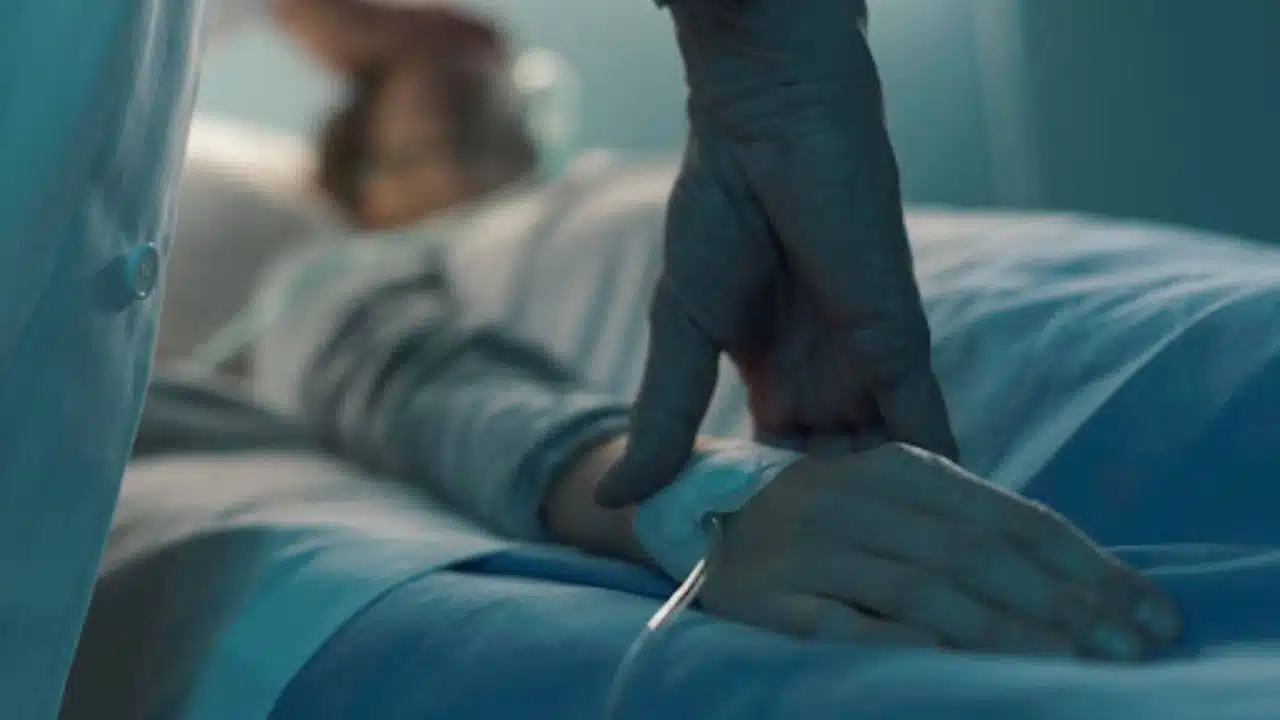
Stroke recovery varies greatly between individuals, creating uncertainty for families supporting loved ones through this challenging time. Learning to recognize the signs of impending death after stroke helps families make informed decisions about care options and prepare emotionally for difficult transitions. This knowledge allows for dignity-focused approaches that honor the patient’s needs during their final days while giving families precious time to say goodbye.
Phases of Recovery and Adaptation
The path following a stroke rarely follows predictable patterns. Some survivors show remarkable improvements within days, while others progress through months of gradual gains. Understanding these differences helps families distinguish between normal recovery fluctuations and concerning changes.
Recovery typically moves through several phases: medical stabilization when immediate dangers pass, rehabilitation as patients work to regain lost abilities, and adaptation as survivors and families adjust to a new normal. Throughout this journey, certain indicators help gauge progress:
- Age and overall health before the stroke
- Location and extent of brain tissue damage
- How quickly did treatment begin after symptoms appeared
- Response to initial interventions
Positive signals include steady functional improvements, speech returning word by word, and cognitive abilities strengthening daily. Warning flags appear when progress suddenly stalls, consciousness shifts unexpectedly, or previously regained abilities begin slipping away.
Keeping a simple daily journal creates a valuable record of changes that might otherwise blur together. These written observations often reveal subtle patterns that speak volumes about recovery’s direction.
Physical Signs That May Signal End-of-Life Stage
Physical changes often provide the first clear indicators when a stroke patient’s condition begins to decline. Learning to recognize these signs of dying helps families prepare while ensuring appropriate comfort measures.
Movement changes deserve close attention. Daily ups and downs in strength and coordination happen naturally, but persistent backsliding in previously recovered abilities shouldn’t be dismissed. New weakness or paralysis, especially on the previously strong side, may signal serious changes.
Breathing patterns tell important stories about brain function. Watch for:
- Irregular rhythms with pauses between breaths
- Sounds resembling bubbling water during breathing
- Labored efforts that visibly strain chest and neck muscles
Swallowing difficulties rank among the most serious concerns. Look for:
- Coughing or choking during eating or drinking
- Food or liquid leaking from the mouth
- Wet-sounding voice after swallowing
- Recurrent pneumonia or respiratory infections
These swallowing struggles create dangerous situations where food and liquid may enter the lungs rather than the stomach, potentially causing life-threatening pneumonia.
Other physical warning signs include unusual muscle tightness or seizures appearing for the first time. Skin changes also provide valuable information. A mottled appearance showing blue-purple patches, particularly on hands and feet, may reveal circulation problems.
Cognitive and Neurological Indicators
Changes in alertness raise serious flags. While fatigue naturally accompanies stroke recovery, profound sleepiness that prevents participation in daily activities may signal complications. When a loved one becomes difficult to rouse or experiences periods of complete unresponsiveness, the situation requires medical attention.
Communication shifts open windows into brain function. New speech difficulties emerging in someone previously stable, sudden inability to follow simple directions, or complete communication breakdown may reflect neurological changes rather than normal recovery fluctuations.
Behavioral changes sometimes speak loudest:
- Confusion that deepens rather than gradually clearing
- Seeing or hearing things that aren’t present
- Emotional responses unlike their pre-stroke personality
- Judgment lapses that place them at risk
Pupil changes tell important stories about pressure within the brain. Uneven pupils or eyes that don’t respond normally to light may reveal dangerous swelling or bleeding.
For those in the final stages of life after a stroke, cognitive shifts often accelerate. Interest in surroundings may fade. Responsiveness to familiar faces dims. Sleep claims more hours than wakefulness. Many begin a gentle withdrawal from conversations and activities that once brought joy.
Other Physical Systems: Cardiovascular and Physiological Signs
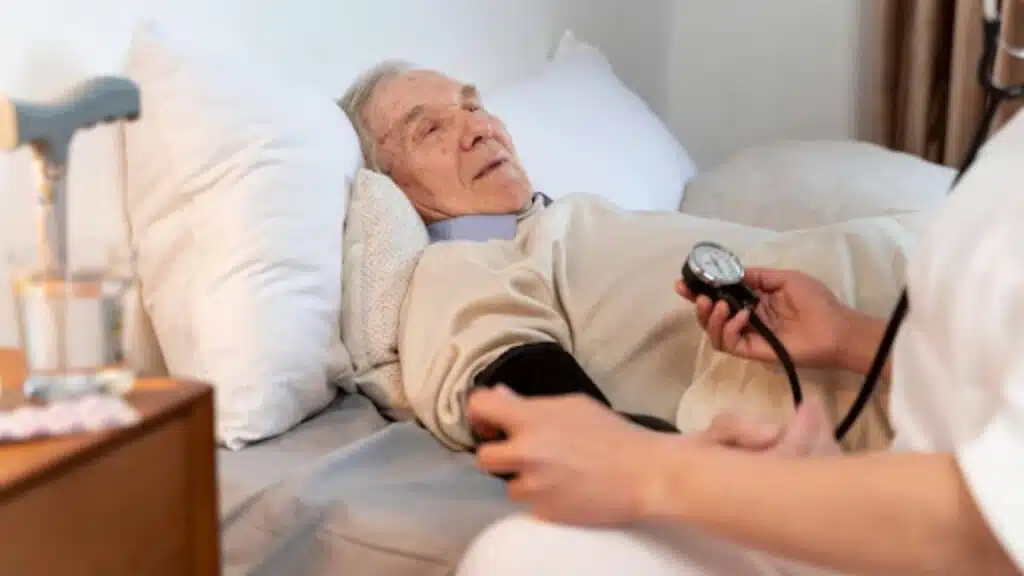
The body’s vital systems after a stroke need watchful eyes, as their changes may signal serious concerns. Blood pressure fluctuations deserve particular attention. While some variation happens naturally, extreme readings sound alarms:
- Severely elevated numbers climbing above 180/120
- Dangerously low readings falling below 90/60
- Wild swings that happen within brief timeframes
Heart patterns can reveal complications following stroke. Racing rhythms above 120 beats at rest, irregular cadences, or unusually slow rates below 50 beats per minute should prompt medical evaluation.
Temperature regulation can signal brain function problems. Stroke can damage the brain’s internal thermostat, sometimes causing fever without infection present. Persistent high temperatures without a clear cause represent concerning indicators, potentially reflecting brain inflammation or hidden infection.
Eating and drinking changes warrant close attention. Growing difficulty with meals, vanishing appetite, or weight loss despite adequate nutrition may signal declining health. When combined with swallowing struggles, these changes cast shadows over recovery potential.
When to Seek Immediate Medical Help
Certain symptoms demand an emergency response rather than watchful waiting. Recognizing these urgent signs of impending death empowers families to act decisively when minutes matter.
Seek emergency care immediately for:
- Sudden, severe headache described as unlike any experienced before
- New seizures appearing for the first time
- Consciousness slipping away unexpectedly
- Fresh weakness or numbness, especially affecting previously strong areas
- Vision suddenly changing or disappearing
- Severe vomiting without an obvious explanation
These symptoms may signal a new stroke unfolding, bleeding inside the brain, or dangerous swelling requiring urgent intervention. When speaking with emergency providers, offer clear, precise information:
- When these changes began
- How do they differ from the person’s usual condition
- Current medication list
- Recent health changes or medication adjustments
For those receiving hospice care or comfort-focused care, different frameworks guide decisions. Services prioritize comfort over life-extending measures. Open communication with palliative care teams addresses symptom management needs and supports both patient dignity and family understanding.
The Role of Hospice and Palliative Care
When signs of impending death after a stroke become apparent, specialized care services offer invaluable support. Hospice care creates a framework focused on comfort rather than curative treatments, helping patients maintain dignity throughout their final journey. The palliative care approach addresses:
- Expert pain management tailored to changing needs
- Relief from distressing symptoms like breathing difficulties
- Emotional support for both the patient and family members
- Guidance through difficult decisions
- Practical assistance with personal care needs
These specialized services bring professionals skilled in end-of-life care directly to patients, whether at home, in nursing facilities, or in dedicated hospice centers. Their expertise creates space for meaningful final days focused on comfort rather than medical interventions that may cause additional suffering.
Families often express that they wish they had accessed these services sooner. The support extends beyond physical care to emotional guidance that helps family members process their grief while still being present for their loved one.
Supporting Family Members Through the Process

Watching a loved one decline following a stroke creates emotional challenges alongside practical demands. Family members benefit from understanding what to expect while developing strategies for self-care during this difficult time.
Creating space for meaningful final interactions matters deeply. These might include:
- Playing favorite music that connects to happy memories
- Gentle touch that communicates love when words no longer reach
- Reading aloud from cherished books or religious texts
- Simply sitting in quiet presence, offering reassurance
Many healthcare professionals note that hearing often remains intact even when other senses fade. Speaking to the patient in normal, comforting tones provides a connection even when responses no longer come. Practical support for family members includes:
- Arranging respite care to prevent exhaustion
- Connecting with support groups specific to stroke caregiving
- Accessing counseling services when grief feels overwhelming
- Creating rotation schedules among family members for care duties
Can We Really Be Prepared?
Recognizing when a stroke patient approaches life’s end requires both knowledge and compassion. The physical and cognitive changes described here help families prepare practically and emotionally for difficult transitions. By understanding these signs, families can focus on providing comfort, dignity, and meaningful connection during the precious final days.
Remember that each stroke experience unfolds uniquely. Some patients show multiple indicators while others exhibit only a few. What matters most isn’t predicting exact timelines but creating space for peace, comfort, and love during this profound transition. With appropriate support from healthcare providers and hospice care services, families can navigate this challenging path with greater confidence and fewer regrets.