

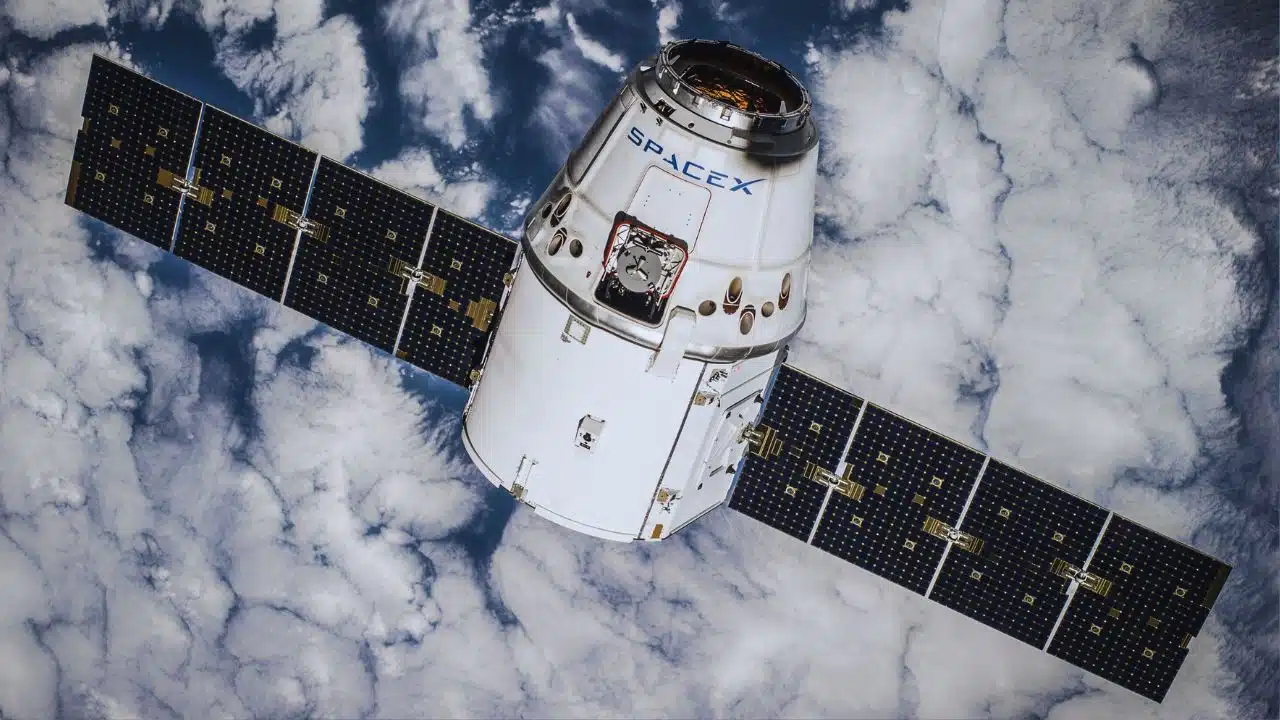
In a significant move for Vietnam’s digital infrastructure, Elon Musk’s SpaceX is planning to invest $1.5 billion in the Southeast Asian country, according to an official announcement by the Vietnamese government.
This investment could pave the way for the long-delayed introduction of SpaceX’s Starlink satellite internet services, a solution that may help resolve connectivity issues across Vietnam’s challenging terrain.
Resuming Talks After a Stalemate
After months of stalled negotiations, discussions between SpaceX and Vietnam resumed earlier this year, offering new hope for the country’s digital future. Initially paused at the end of 2023, the talks centered on the deployment of Starlink’s satellite internet services and other communications technologies.
These services, highly valued in rural and mountainous regions where traditional internet infrastructure faces difficulties, could be a game-changer for Vietnam.
The official statement, made public by President To Lam after a meeting in New York with Tim Hughes, SpaceX’s Senior Vice President for Global Business and Government Affairs, confirmed the company’s plans to bring a $1.5 billion investment to Vietnam.
However, SpaceX has not yet responded to inquiries seeking further clarification, nor has it provided specific details about the investment’s timeline or location.
Starlink’s Potential in Vietnam
With a population of nearly 100 million, Vietnam represents a massive opportunity for companies like SpaceX. Currently, many Vietnamese rely on U.S. internet services from companies such as Facebook and Google, but the country’s outdated infrastructure—including aging underwater optical fiber cables—poses significant challenges for reliable connectivity. Moreover, Vietnam’s mountainous regions often experience inconsistent internet coverage.
Starlink’s satellite internet service, with its ability to provide coverage in remote areas, could prove beneficial for Vietnam’s growing digital economy. Notably, Starlink could assist in sectors such as education and disaster prevention, areas where reliable internet access is crucial.
SpaceX has also emphasized the strategic importance of satellite communication for Vietnam’s monitoring and security efforts, particularly in the South China Sea, where the country faces ongoing territorial disputes with China. However, this aspect may raise concerns in Beijing, which keeps a watchful eye on the region.
Potential Obstacles to the Deal
While the investment news is promising, it does not come without challenges. Regulatory concerns hindered previous discussions between SpaceX and the Vietnamese government.
One key issue was Vietnam’s legal framework regarding foreign ownership, which limits foreign entities to a maximum 50% stake in local firms. SpaceX, however, has insisted on controlling interest—a demand that could complicate future negotiations.
Another hurdle is Vietnam’s stringent data sovereignty laws. These require companies to store data locally and maintain strict control over content visible online. It’s unclear how SpaceX will handle these regulatory requirements.
Broader Implications for Vietnam’s Tech Industry
Vietnam, already a significant industrial hub for many global companies, stands to gain immensely from SpaceX’s potential entry into the market. The country is home to large manufacturing operations of US firms such as Apple, which recently announced plans to expand its investments in local suppliers. This growing network of tech companies further enhances Vietnam’s standing as a crucial player in the global supply chain.
SpaceX’s investment could potentially pave the way for future partnerships and technological advancements. The successful implementation of Starlink could help Vietnam address its connectivity challenges and strengthen its position as a leader in the region’s digital transformation.
SpaceX’s $1.5 billion proposed investment in Vietnam is a critical development for both parties. For Vietnam, it represents a leap forward in modernizing the country’s digital infrastructure and addressing longstanding connectivity issues, especially in remote and underserved regions.
For SpaceX, it opens a new market in Southeast Asia, with the potential to bring Starlink’s satellite internet to millions. However, regulatory and geopolitical challenges remain, and both sides will need to work closely to ensure a successful partnership.
This investment, if it proceeds, could shape the future of digital communication in Vietnam, enhancing education, disaster preparedness, and national security—all while further integrating the country into the global tech ecosystem.





















