Sweden has transformed into a global titan of interactive media, producing more billion dollar exits per capita than almost any other region. In 2026, the strength of the Swedish model relies on the agility of specialized SMEs for Gaming Startup Ecosystems that bridge the gap between garage-born passion and massive commercial success. This Nordic nation has perfected a “pay-it-forward” culture where successful founders reinvest their capital and mentorship into the next generation, ensuring a continuous cycle of breakout hits that defy the country’s small population.
Our Selection Criteria
To pinpoint the most influential entities in this crowded market, we looked beyond simple revenue figures to evaluate the structural impact each organization has on the local industry. The following criteria helped us filter the vast Swedish talent pool into a definitive list of leaders.
-
Founder Control: Prioritizing organizations that maintain significant independent ownership or creative autonomy.
-
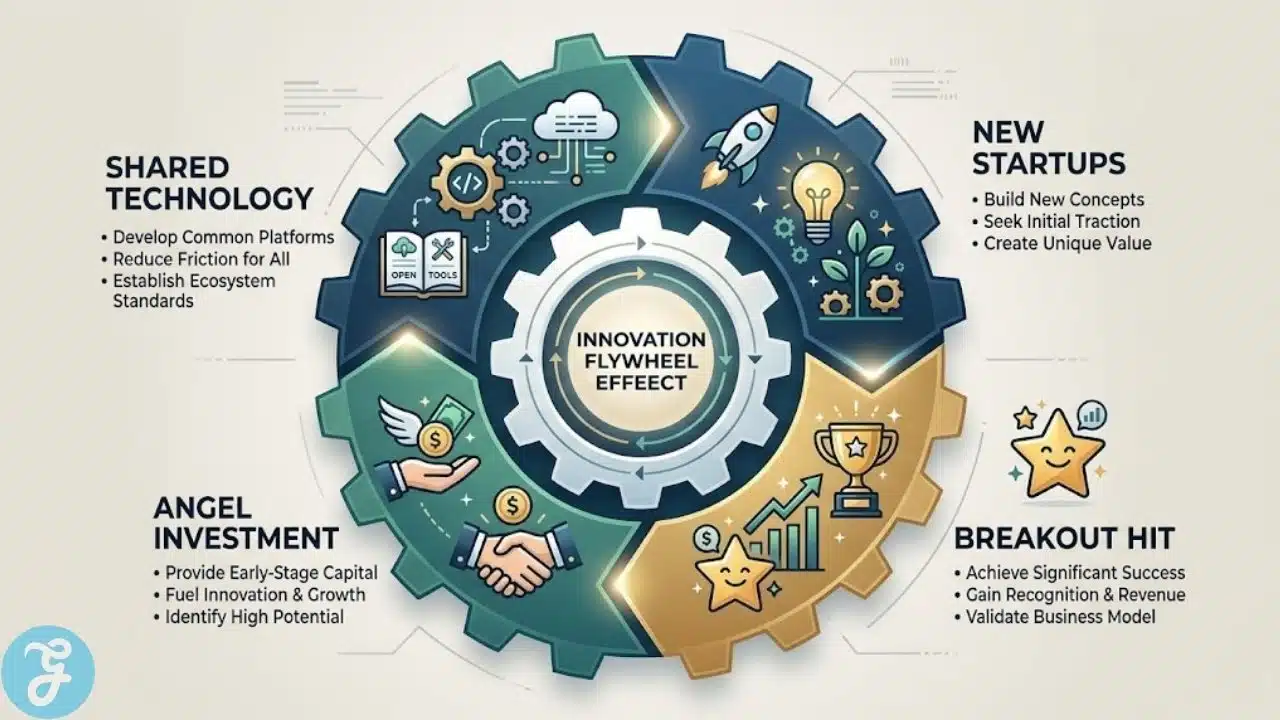
Cultural Contribution: Evaluation of how the studio supports the broader Swedish cluster through mentorship or technology sharing.
-
Commercial Breakout: Analysis of the studio’s ability to achieve global top-tier sales from a lean operational base.
-
Sustainability: Focusing on studios with a long-term roadmap that avoids the “one-hit wonder” trap common in the startup world.
Exploring the Top 10 SMEs for Gaming Startup Ecosystems Redefining Play
The Swedish scene is characterized by its diversity, ranging from the massive strategy powerhouses of Stockholm to the survival game specialists in the Skövde incubator. The following organizations represent the absolute elite of this ecosystem, providing the blueprints for how modern game development should function in a competitive global market.
1. Arrowhead Game Studios
Headquarters: Stockholm, Sweden
Website: arrowheadgamestudios.com
Email: press@arrowheadgs.com
Operating as the cleanest modern example of the Swedish bootstrap-to-breakout model, this studio has achieved unprecedented success while remaining largely founder-controlled. After years of refining their craft, they delivered one of the fastest-selling first-party titles in history, proving that independent Swedish grit can outperform massive global conglomerates. They continue to operate with a focus on collaborative play and high-intensity action that resonates with millions of players worldwide.
Best Feature/For:
-
Cooperative multiplayer experiences and high-production-value action.
Why We Chose It:
-
Maintains a remarkable 84 percent ownership among its original founders.
-
Successfully navigated a minority stake from Tencent without losing its unique creative voice.
-
Set a new global standard for “Live Service” games through transparency and community respect.
Things to consider:
-
Scaling to meet massive player demand can lead to significant technical and organizational growing pains.
2. Iron Gate Studio
Headquarters: Skövde, Sweden
Website: irongatestudio.se
Email: press@irongatestudio.se
This organization serves as the definitive proof that micro-studios can produce global phenomena without massive overhead. Starting with a team of just three people, they developed a survival title that sold millions of copies, single-handedly putting the Skövde tech cluster on the international map. They maintain a lean operational philosophy, focusing on atmosphere and mechanical depth rather than chasing the latest graphical trends.
Best Feature/For:
-
Atmospheric survival games and highly efficient small-team development.
Why We Chose It:
-
Achieved world-class success with a staff count that remains under 20 people.
-
Remains a fully independent entity owned by its original founders.
-
Mastered the “Early Access” model by delivering a polished and feature-rich initial release.
Things to consider:
-
A small team size means that major content updates take significantly longer than at larger studios.
3. Landfall Games
Headquarters: Stockholm, Sweden
Website: landfall.se
Email: info@landfall.se
This studio has become one of the most prolific hit-per-headcount organizations in the world by embracing a “small studio staying small” philosophy. They are masters of viral marketing, often releasing games as April Fools’ jokes that go on to sell millions of copies on Steam. Their approach is built on creative experimentation and a refusal to follow traditional corporate development cycles, resulting in a catalog of unique and physics-based experiences.
Best Feature/For:
-
Physics-driven gameplay and viral indie marketing.
Why We Chose It:
-
Consistently ranks in global best-seller lists with a minimal permanent staff.
-
Entirely independent and deliberately avoids outside venture capital.
-
Proven ability to capture the attention of the global streaming and content creator community.
Things to consider:
-
Their focus on “joke” launches can sometimes overshadow the technical complexity of their work.
4. Tarsier Studios
Headquarters: Malmö, Sweden
Website: tarsier.se
Email: info@tarsier.se
Based in the vibrant Malmö hub, this studio has built a reputation for creating some of the most atmospheric and unsettling narrative experiences in the industry. While they are now a subsidiary of the Embracer Group, they operate with a high degree of creative autonomy, focusing on quality over quantity. They represent the “AA” tier of Swedish development, where professional production values meet niche, high-concept artistic visions.
Best Feature/For:
-
Darkly atmospheric narrative games and unique horror aesthetics.
Why We Chose It:
-
Excellent example of a mid-sized team that has mastered a specific sub-genre.
-
Maintains a strong sense of identity even after being acquired by a larger holding company.
-
Consistently delivers high-quality titles that appeal to both critics and casual players.
Things to consider:
-
As a subsidiary, their long-term project slate is subject to the financial health of their parent company.
5. Paradox Interactive
Headquarters: Stockholm, Sweden
Website: paradoxinteractive.com
Email: info@paradoxinteractive.com
While larger than most typical SMEs, this organization remains a foundational anchor of the Swedish ecosystem because it is still founder-controlled and independently operated. They have dominated the grand strategy niche for decades, building a massive community of dedicated players through long-term support and deep mechanical complexity. They serve as a critical bridge for the local industry, proving that a Swedish company can go public while keeping its original leadership intact.
Best Feature/For:
-
Grand strategy games and long-term “Live Ops” support.
Why We Chose It:
-
Genuinely Swedish-controlled and publicly traded on the Stockholm exchange.
-
Acts as a major employer and talent incubator for the Stockholm gaming hub.
-
Unique business model built on years of DLC support and community collaboration.
Things to consider:
-
Their DLC-heavy monetization model is a frequent point of debate among their player base.
6. Fatshark
Headquarters: Stockholm, Sweden
Website: fatshark.se
Email: press@fatshark.se
Specializing in high-octane co-op action, this privately held studio has grown organically from a small team to a major force in the melee-combat space. They are the primary architects of the Warhammer co-op experience, delivering visceral gameplay that focuses on teamwork and high replayability. They have managed to scale their operations while retaining full creative independence, making them a pillar of the Stockholm developer community.
Best Feature/For:
-
First-person co-op melee combat and atmospheric world-building.
Why We Chose It:
-
One of the most consistent producers of successful co-op action games globally.
-
Founder-operated and retains a strong sense of its original “indie” culture.
-
Proven ability to manage and expand high-profile licensed IPs with respect and skill.
Things to consider:
-
Maintaining large-scale servers and frequent balance updates is a constant resource drain.
7. Stunlock Studios
Headquarters: Skövde, Sweden
Website: stunlock.com
Email: info@stunlock.com
Originating from the prestigious Sweden Game Arena cluster in Skövde, this studio has successfully navigated the transition from niche arena fighters to massive survival hits. They are privately held and founder-operated, prioritizing mechanical polish and competitive balance in everything they produce. Their latest successes have proven that they understand the modern player’s desire for games that combine progression with high-skill gameplay loops.
Best Feature/For:
-
Competitive multiplayer and innovative survival-RPG hybrids.
Why We Chose It:
-
Achieved massive commercial success while remaining based in a regional tech incubator.
-
Expertise in creating tight, responsive gameplay mechanics that feel “premium.”
-
Strong focus on community-driven development through Early Access feedback.
Things to consider:
-
The competitive nature of their games can sometimes create a high barrier to entry for new players.
8. Raw Fury
Headquarters: Stockholm, Sweden
Website: rawfury.com
Email: hello@rawfury.com
This organization serves as a developer-first publisher that has redefined the relationship between creators and distributors in Sweden. With a catalog of over 50 games, they focus on “indie” titles that have a strong artistic hook and emotional resonance. They provide the financial and marketing infrastructure that many small Swedish startups lack, acting as a vital catalyst for the growth of the entire Nordic ecosystem.
Best Feature/For:
-
Indie publishing and developer-friendly distribution deals.
Why We Chose It:
-
Genuinely Swedish and deeply committed to the local developer scene.
-
Prioritizes artistic vision and developer well-being over raw commercial formulas.
-
Acts as a critical bridge to global markets for tiny, specialized teams.
Things to consider:
-
As a publisher, they do not develop their own titles, meaning their success is tied to third-party talent.
9. Tuxedo Labs
Headquarters: Uppsala, Sweden
Website: tuxedolabs.com
Email: contact@tuxedolabs.com
Hailing from Uppsala, this studio represents the archetypal Swedish success story of a tiny team building a massive hit based on a single technical innovation. Their physics-based destruction engine became a viral sensation, leading to a successful launch and eventual acquisition by the Coffee Stain Group. They continue to push the boundaries of what is possible with in-game physics, maintaining a lean and efficient development style.
Best Feature/For:
-
Physics-based destruction and innovative voxel technology.
Why We Chose It:
-
Started as a small passion project that redefined its specific sub-genre.
-
Technical excellence that has been recognized with multiple industry awards.
-
Successfully transitioned from an independent startup to a key part of a larger group.
Things to consider:
-
Their specialized engine means they are somewhat locked into games that focus on destruction.
10. Might and Delight
Headquarters: Stockholm, Sweden
Website: mightanddelight.com
Email: press@mightanddelight.com
This fully independent, founder-operated studio is known for its highly artistic and atmospheric titles that feel more like interactive illustrations than traditional games. They have remained a genuine SME in every respect, staying small and focused on creative expression rather than massive corporate growth. Their work is a testament to the diversity of the Swedish ecosystem, proving that there is room for quiet, reflective art alongside loud action blockbusters.
Best Feature/For:
-
Atmospheric indie games and unique visual storytelling.
Why We Chose It:
-
Consistently produces distinctive work without outside corporate ownership.
-
Maintains a small, permanent team that prioritizes creative fulfillment.
-
A leader in the “cozy” and artistic gaming space within the Nordic region.
Things to consider:
-
Their niche artistic focus means they have a smaller potential audience than action-focused peers.
An Overview Of Market Trends and SMEs for Gaming Startup Ecosystems
The Swedish gaming market is currently experiencing a phase of “mature independence.” While the country has seen its share of massive acquisitions, the emergence of a strong middle class of developers ensures that the industry remains innovative and resistant to global economic shifts. These SMEs for Gaming Startup Ecosystems are the lifeblood of the Swedish digital economy, providing a stable source of high-tech jobs and export revenue.
The following data provides a clear picture of how these organizations compare in terms of their focus and the specific value they bring to the Swedish landscape.
Overview Comparison Table
| Organization | Main Focus | Team Size | Cluster |
| Arrowhead | Co-op Action | 130 Plus | Stockholm |
| Iron Gate | Survival | 16 | Skövde |
| Landfall | Physics Indie | 10-15 | Stockholm |
| Tarsier | Narrative Horror | 60 | Malmö |
| Paradox | Grand Strategy | 660 Plus | Stockholm |
| Fatshark | Melee Co-op | 250 | Stockholm |
| Stunlock | Survival RPG | 35-50 | Skövde |
| Raw Fury | Publishing | 80 | Stockholm |
| Tuxedo Labs | Physics Voxel | 5-10 | Uppsala |
| Might and Delight | Artistic Indie | 15-20 | Stockholm |
Our Top 3 Picks and Why?
Selecting the top performers in such a strong field is difficult, but these three organizations represent the most important success stories in the current ecosystem.
-
Arrowhead Game Studios: They represent the peak of what a founder-led Swedish studio can achieve, proving that a local team can beat the world’s biggest publishers at their own game.
-
Iron Gate Studio: Their success is the ultimate inspiration for tiny teams everywhere, showing that a great idea and a small, dedicated group in Skövde can change the industry.
-
Raw Fury: By providing a Swedish alternative to global publishing giants, they ensure that local talent has a partner that understands the specific cultural and creative values of the region.
Why are SMEs for Gaming Startup Ecosystems Booming in Sweden
The Swedish boom is rooted in a long history of computer literacy and a robust social safety net that encourages risk-taking. In Sweden, if a startup fails, the founder does not lose their healthcare or their home, which allows for much more experimental and daring game design than in the United States. This environment has fostered a generation of developers who are not afraid to innovate, leading to the rise of specialized SMEs for Gaming Startup Ecosystems across the country.
What’s their secret sauce?
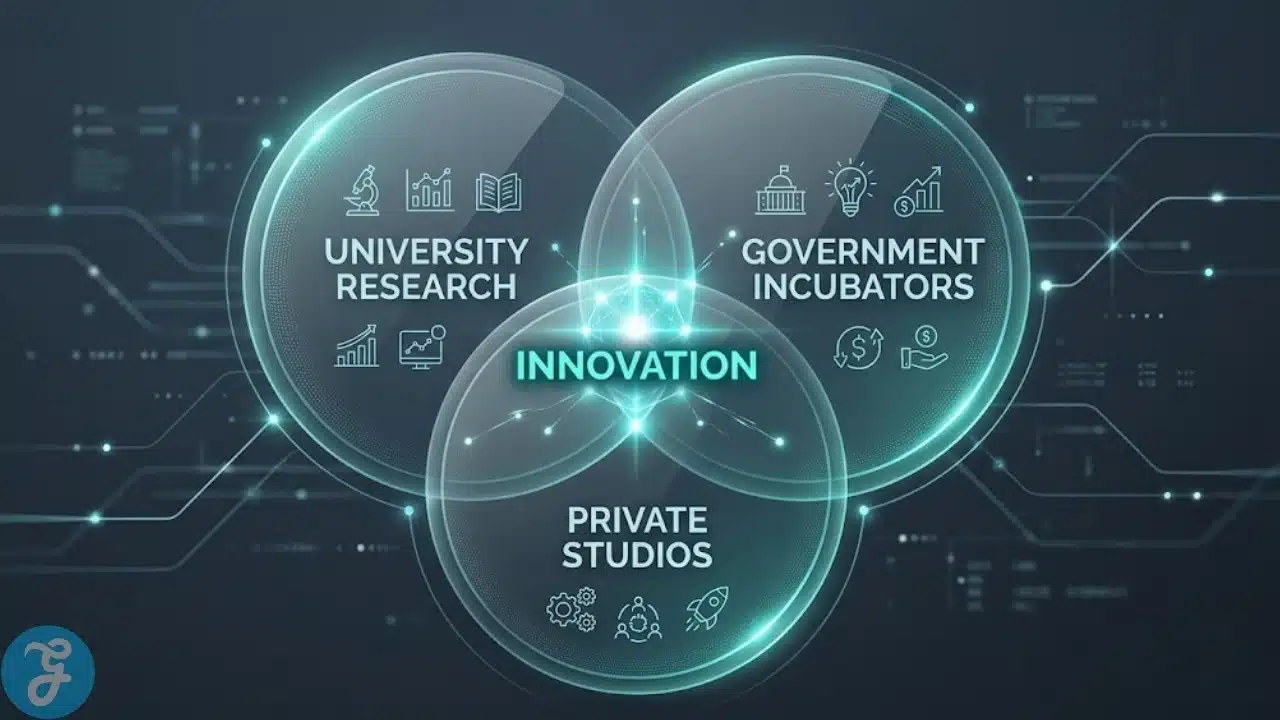
The secret is “The Skövde Model” and other regional incubators. By grouping startups together in a single building or park, the Swedish government and local universities have created an environment where founders share knowledge, tools, and even staff. This collaborative spirit means that when one Swedish company succeeds, they often share their technical breakthroughs with their neighbors, raising the quality of the entire ecosystem simultaneously.
The Paradox of the Swedish Powerhouse
The uncomfortable truth of the Swedish success story in 2026 is that the very infrastructure that created these giants is now under threat from its own success. As global conglomerates like Tencent and Sony buy up minority and majority stakes in these SMEs, the “Swedishness” of the industry is being tested. We must ask whether a studio like Arrowhead or Tarsier can maintain its rebellious, Nordic spirit when it is ultimately reporting to a board of directors in a different time zone. There is a real risk that the “pay-it-forward” culture will dissolve into a more traditional corporate model where quarterly earnings trump long-term artistic vision.
Furthermore, the concentration of talent in Stockholm has led to a skyrocketing cost of living that makes it difficult for new, independent startups to attract talent away from the established giants. The future of Sweden as a gaming leader depends on whether the ecosystem can continue to decentralize, pushing more development into regional hubs like Skövde and Malmö. If the industry becomes too centralized and corporate, it risks losing the very agility and creative spark that made it famous in the first place. My critical analysis suggests that while the current crop of SMEs is stronger than ever, the next decade will be a battle to preserve the independent soul of Swedish gaming against the inevitable tide of global consolidation.
Frequently Asked Questions (FAQs) About SMEs for Gaming Startup Ecosystems
How many people are employed in the Swedish gaming industry?
As of 2026, the Swedish gaming industry employs over 9,000 people, with a high concentration of senior talent in the Stockholm and Malmö regions.
Is it possible for a small team to get government funding in Sweden?
Yes, organizations like Vinnova provide grants for innovation, and regional incubators like Sweden Game Arena offer support for early-stage SMEs for Gaming Startup Ecosystems.
Why is Skövde so famous for gaming?
Skövde is home to a specialized university program and the Sweden Game Arena incubator, which has produced several global hits including Valheim and V Rising.
Do Swedish studios typically own their own technology?
Many Swedish SMEs, such as Remedy and Tuxedo Labs, are famous for building their own proprietary engines, which gives them a significant competitive advantage in terms of visual style and performance.
Can I work in Sweden as a game developer if I don’t speak Swedish?
Almost all gaming companies in Sweden operate in English, and the industry is incredibly international, with developers from all over the world working in the major hubs.