


Working from home has become the new normal for millions of professionals worldwide. While it offers flexibility and convenience, it also comes with unique challenges, particularly the risk of overworking and burnout.
Recognizing the signs you need a break when working from home is critical to maintaining both your productivity and overall well-being.
In this article, we’ll explore the common indicators that it’s time to step away, why taking breaks is essential, and practical strategies to recharge effectively.
Whether you’re experiencing difficulty concentrating, physical fatigue, or a lack of motivation, understanding these signs you need a break when working from home can help you take proactive steps to restore balance in your life.
Understanding the Signs You Need a Break
Why Breaks Are Crucial for Remote Workers
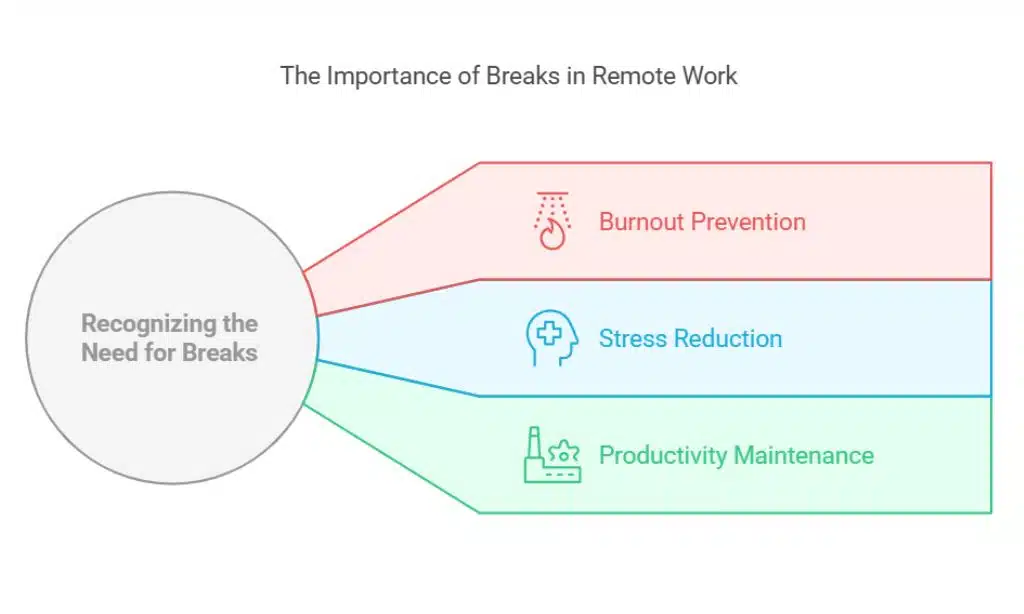
Remote work blurs the lines between personal and professional life, often leading to longer working hours and reduced downtime. Recognizing the signs you need a break when working from home can prevent long-term consequences such as burnout, stress, and declining productivity.
Mental Health Benefits
- Reducing stress and anxiety: Frequent breaks help reset your mental state, preventing emotional overload and allowing you to approach tasks with renewed focus.
- Enhancing focus and creativity: Stepping away gives your brain the chance to process information subconsciously, leading to better problem-solving and innovative thinking.
Physical Health Considerations
- Preventing repetitive strain injuries: Regular breaks reduce the risk of conditions like carpal tunnel syndrome or back pain caused by prolonged sitting and repetitive motions.
- Maintaining posture and mobility: Incorporating stretching or movement during breaks improves blood flow, reducing stiffness and the potential for chronic pain.
Boosting Productivity Through Rest
- The science behind strategic breaks: Studies show that individuals who take breaks at regular intervals are more productive, as mental energy replenishes and efficiency improves over time.
| Benefits of Breaks | Key Statistics |
| Reduced Stress Levels | 87% of workers report improved mental clarity |
| Increased Productivity | Breaks can boost performance by 30% |
| Lower Health Risks | Frequent pauses reduce musculoskeletal strain |
The 7 Key Signs You Need a Break
Sign 1: Difficulty Concentrating
When your focus wavers, and simple tasks feel overwhelming, it’s a clear indicator that you may be overworking. Signs include:
- Struggling to complete routine assignments, which could signal cognitive fatigue.
- Forgetting details or frequently losing track of deadlines, showing an overloaded memory capacity.
Key Tip: Incorporate short 5-minute breaks after every 25 minutes of work (Pomodoro Technique) to reset focus and improve task management. Use this time to perform a quick reset activity like breathing exercises or stepping away from your workspace.
| Difficulty Concentrating Checklist | Examples |
| Task Overload | Struggling to prioritize |
| Forgetfulness | Misplacing items, missed steps |
| Mental Fatigue | Difficulty in decision-making |
Real-Life Example: A marketing professional found themselves unable to focus on drafting campaigns. By introducing a “power pause” every hour to stretch and breathe, they saw significant improvements in focus and output.
Sign 2: Increased Irritability or Mood Swings
Feeling irritable, snappy, or unusually emotional? These emotional fluctuations often stem from prolonged stress. Examples include:
- Overreacting to minor issues, such as misplacing an item or receiving constructive feedback.
- Experiencing conflicts with colleagues or family members due to heightened frustration levels.
Case Insight: A software engineer working remotely noticed increased arguments with teammates during video calls. After implementing regular walks and mindfulness practices, their mood improved significantly, and they reported feeling calmer during interactions.
| Irritability Triggers | Suggested Solutions |
| Lack of Rest | Take midday power naps |
| Prolonged Stress | Practice daily meditation |
| Isolation | Plan virtual coffee chats |
Actionable Tip: Schedule “emotion check-ins” during your day. Pause and ask yourself how you’re feeling. If irritability is high, step away for a mental reset through an enjoyable activity like listening to music or journaling.
Sign 3: Physical Symptoms of Stress
Stress manifests physically, even if you’re unaware of its mental toll. Watch for:
- Persistent headaches or eye strain from excessive screen time, often exacerbated by poor lighting or screen glare.
- Muscle tension, back pain, or disrupted sleep patterns caused by long hours in an improper workspace setup.
Key Tip: Set up an ergonomic workstation to minimize physical discomfort. Invest in a good chair, desk, and monitor stand to ensure proper posture and comfort during long work hours.
| Common Symptoms | Prevention Strategies |
| Headaches | Adjust screen brightness |
| Eye Strain | Follow the 20-20-20 rule |
| Muscle Tension | Stretch every hour |
Example: A data analyst reported chronic back pain due to extended sitting. Incorporating standing desk breaks, daily stretches, and yoga alleviated the discomfort significantly over a two-week period.
Sign 4: Reduced Motivation
When enthusiasm for work fades, and procrastination becomes a habit, it’s time to take notice. Symptoms include:
- Avoiding tasks or projects you typically enjoy, leading to missed opportunities or delayed deadlines.
- Losing excitement for career goals or milestones, which can result in feelings of stagnation or dissatisfaction.
Practical Advice: Reflect on recent accomplishments to regain motivation and create a vision board to track progress visually. Break larger goals into smaller, manageable tasks to rebuild momentum.
|
Motivation Blockers |
Practical Fixes |
| Lack of Direction | Set SMART goals |
| Burnout | Schedule a weekend retreat |
| Overwhelming Workload | Delegate or prioritize tasks |
Real-Time Insight: A study from Gallup revealed that 67% of employees are disengaged due to a lack of recognition. Celebrate small wins to reignite your passion and boost morale.
Sign 5: Overworking Without Results
Putting in long hours but not seeing meaningful progress? This diminishing return on effort is a major red flag. Examples include:
- Feeling stuck in a productivity rut despite extra effort, indicating an imbalance between input and output.
- Working late without accomplishing critical tasks, often due to inefficient workflows or poor prioritization.
Key Tip: Limit work hours to a sustainable schedule, such as 9-to-5, and focus on high-impact tasks first. Consider using a project management tool to identify bottlenecks in your workflow.
| Overworking Signs | Productivity Solutions |
| Late Hours | Set daily work-end alarms |
| Minimal Progress | Use time-tracking apps |
| Lack of Clarity | Reassess priorities weekly |
Case Study: A business owner working 12-hour days found relief by implementing a “two big tasks per day” rule. This sharpened focus and maximized productivity, freeing up time for personal activities.
Sign 6: Neglecting Personal Needs
Failing to care for yourself is a surefire sign you’re overextending. Indicators include:
- Skipping meals or relying on unhealthy snacks, which can lead to fatigue and poor nutrition.
- Ignoring exercise routines or personal hobbies, resulting in reduced physical and mental well-being.
Practical Insight: Plan meals ahead using simple meal prep techniques and allocate time for hobbies in your weekly schedule. Prioritize hydration by keeping a water bottle nearby.
| Neglect Symptoms | Self-Care Practices |
| Poor Nutrition | Prep healthy snacks in advance |
| No Exercise | Join online fitness classes |
| Ignored Hobbies | Dedicate 1 hour weekly |
Real-Life Scenario: A graphic designer began taking 30-minute breaks to paint recreationally, leading to a renewed sense of creativity and satisfaction both personally and professionally.
Sign 7: Feeling Disconnected or Isolated
Remote work can lead to feelings of loneliness and detachment, especially if you’re not engaging socially. Watch for:
- Missing interactions with colleagues or friends, which can weaken professional relationships.
- Feeling like your work lacks purpose or connection, often stemming from a lack of team collaboration.
Example: A freelancer joined a co-working community online to share ideas and feel part of a team, significantly reducing feelings of isolation and increasing engagement.
| Disconnection Sources | Reconnection Strategies |
| Lack of Team Chats | Organize regular sync-ups |
| Solo Work Environment | Join virtual networking events |
| Lost Purpose | Align tasks with personal goals |
Tip: Consider virtual team-building activities, such as trivia games or happy hours, to foster a sense of camaraderie and connection.
How to Take Meaningful Breaks

Types of Breaks That Work
Taking the right kind of break can significantly impact your energy levels and mental clarity. Here are some effective options:
Micro-Breaks
- Short pauses of 5-10 minutes
- Activities: Stretching, deep breathing, or stepping outside to refresh your mind and body.
| Micro-Break Activities | Benefits |
| Breathing Exercises | Lowers stress quickly |
| Desk Stretches | Reduces muscle tension |
| Quick Outdoor Walk | Boosts energy and clarity |
Longer Breaks
- 30 minutes to an hour for meals or relaxation
- Activities: Reading, cooking, or leisurely walks to disconnect from work.
Regular Vacations
- Planned time off to disconnect completely
- Activities: Travel, hobbies, or spending time with loved ones to reset and recharge.
Actionable Idea: Use apps like “Calm” or “Headspace” for guided relaxation during longer breaks.
Tips for Effective Breaks While Working From Home
1. Schedule Your Breaks
Set reminders or use tools like the Pomodoro Technique to take regular breaks.
2. Step Away From Screens
Engage in activities that don’t involve digital devices, such as journaling or organizing your workspace.
3. Incorporate Movement
Stretch, do yoga, or take a quick walk to rejuvenate your body and mind.
4. Practice Mindfulness
Use meditation apps or focus on breathing exercises to reduce stress and improve mental clarity.
Preventing Burnout in Remote Work
Establishing a Healthy Work-Life Balance
Set Clear Boundaries
Define specific working hours and stick to them. Share your schedule with family or housemates to minimize interruptions.
Create a Dedicated Workspace
Separate your work area from personal spaces to minimize distractions and improve focus.
Building a Support System
Stay Connected with Colleagues
Schedule virtual check-ins or informal chats to maintain a sense of community and combat isolation.
Communicate Your Needs
Be honest with your manager or team about workload challenges to ensure a manageable workload and proper support.
Takeaways
Recognizing the signs you need a break when working from home is essential to maintaining your mental, physical, and emotional health. By understanding these signs you need a break when working from home and taking proactive steps to recharge, you can prevent burnout and enhance both your productivity and quality of life.
Remember, prioritizing your well-being isn’t a luxury—it’s a necessity. Share this article to help others identify these critical signs you need a break when working from home and create a healthier work-from-home experience.
Interactive Elements
Quick Checklist of Signs You Need a Break
| Sign | Symptoms |
| Difficulty Concentrating | Forgetfulness, overwhelmed by tasks |
| Increased Irritability | Overreacting, mood swings |
| Physical Symptoms | Headaches, muscle tension |
| Reduced Motivation | Procrastination, lack of enthusiasm |
| Overworking Without Results | Long hours, minimal progress |
| Neglecting Personal Needs | Skipping meals, no exercise |
| Feeling Disconnected | Isolation, lack of purpose |
List: Top 5 Activities for Effective Breaks
- Take a 10-minute walk outdoors
- Do a quick yoga or stretching routine
- Practice mindfulness or meditation
- Enjoy a healthy snack or drink
- Spend time with a pet or loved one
Callout Box
Did You Know? Taking regular breaks can boost productivity by up to 30%!






















