

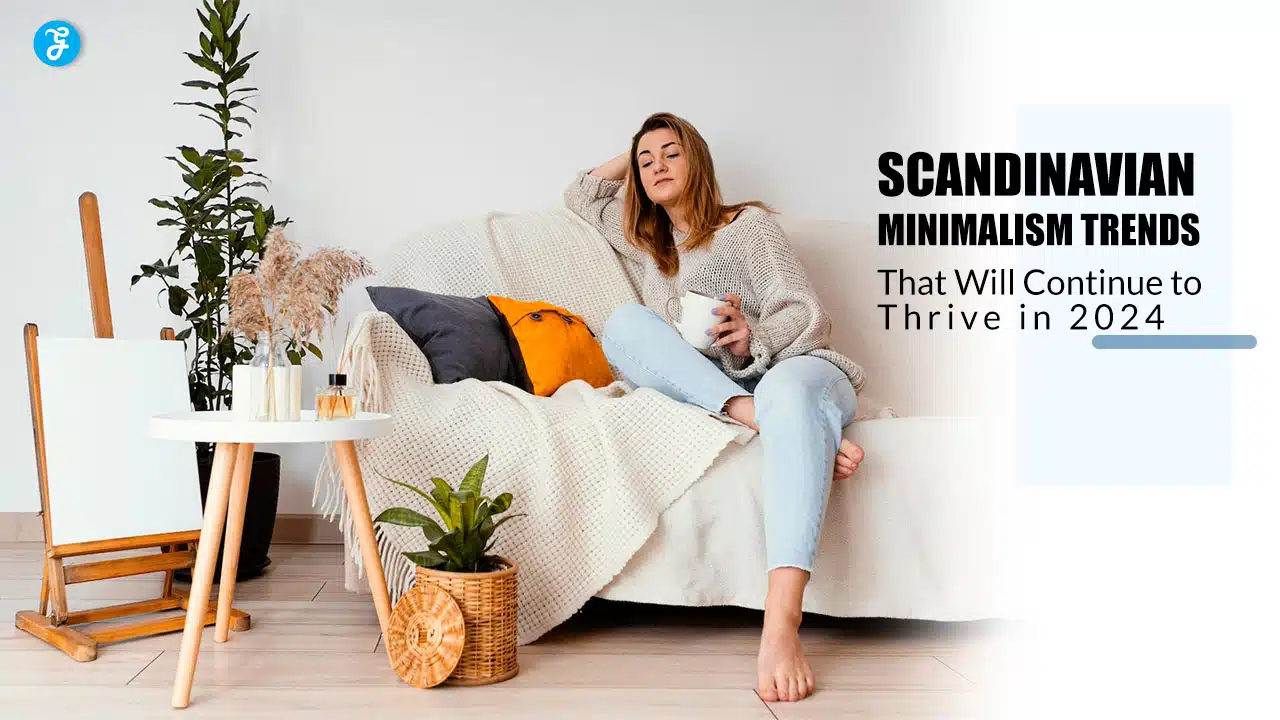
Scandinavian minimalism has become a global phenomenon, transforming from a regional aesthetic. Nordic countries, which celebrate practicality, simplicity, and nature-inspired design, are the origins of Scandinavian minimalism, known for its clean lines, neutral palettes, and functional beauty.
This aesthetic emphasizes a clutter-free lifestyle, sustainability, and harmonious living, making it particularly relevant as more people seek calm and mindful environments in their homes. 2024 will see the continued popularity of Scandinavian minimalism as new trends emerge that emphasize sustainability, warmth, and multi-functional design. Here, we explore eight Scandinavian minimalism trends expected to thrive in the year ahead.
Let’s take a look.
1. Sustainable and Natural Materials
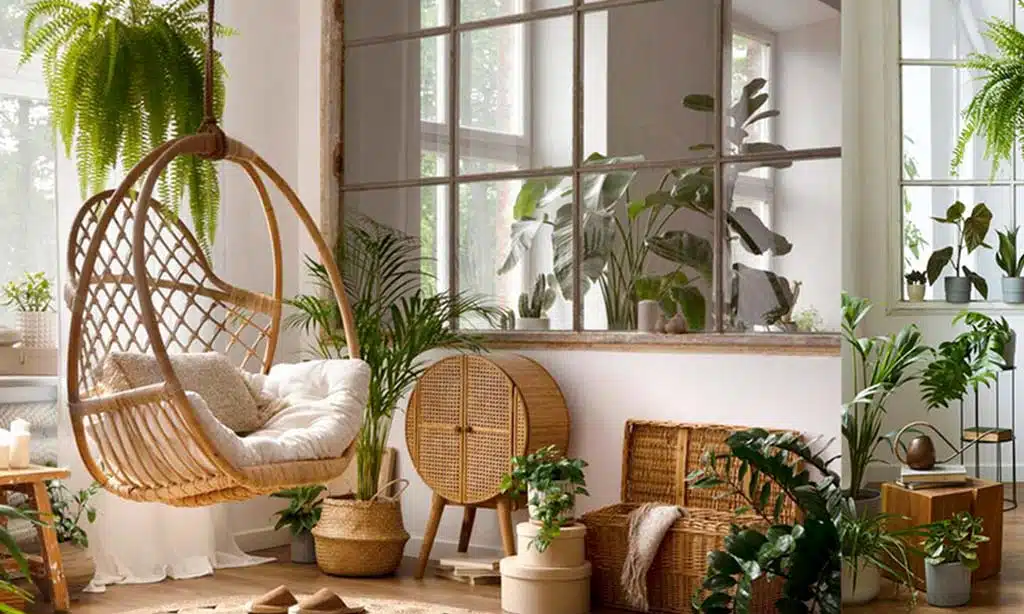
One of the core principles of Scandinavian design is the use of sustainable, eco-friendly materials. Wood, wool, linen, and stone have long been hallmarks of this style, providing warmth and a sense of connection to nature. Designers will prioritize sustainability in 2024, opting for certified materials that reduce environmental impact.
Why It Works: Sustainable materials not only help in creating an eco-friendly home but also bring a timeless, enduring quality to interiors. Light woods like oak and ash, for example, enhance the airy and open feel of a room, while wool and linen contribute to texture without overwhelming the simplicity of the space.
| Natural Material | Advantages | Popular Usage in 2024 |
|---|---|---|
| Wood (oak, ash) | Sustainable, warm, and durable | Flooring, furniture, wall paneling |
| Wool | Natural insulation, soft texture | Rugs, throws, upholstery |
| Linen | Breathable, textured look | Curtains, cushion covers, bedding |
2. Neutral and Muted Color Palettes
Scandinavian minimalism heavily favors neutral colors, using them to create a calm and soothing atmosphere. Expect muted tones like beige, warm whites, and soft grays to dominate Scandinavian interiors in 2024, often contrasted with subtle pops of color. These gentle hues promote relaxation and complement natural light, making spaces appear larger and more inviting.
Why It Works: Neutral palettes are versatile, allowing homeowners to adapt them to various styles and seasonal changes. They create a sense of continuity throughout the home, contributing to the minimalist goal of visual simplicity.
3. Biophilic Design Elements
Incorporating elements of nature, also known as biophilic design, is a growing trend in Scandinavian minimalism. This trend includes indoor plants, large windows, and natural materials, all designed to create a seamless connection between indoor and outdoor spaces. With wellness becoming a priority, biophilic elements like indoor greenery and natural textures add freshness to the home and contribute to improved well-being.
Why It Works: Studies have shown that plants and other natural elements reduce stress, improve air quality, and enhance creativity, making them ideal for minimalist homes that emphasize calm and clarity.
4. Multifunctional and Space-Saving Furniture
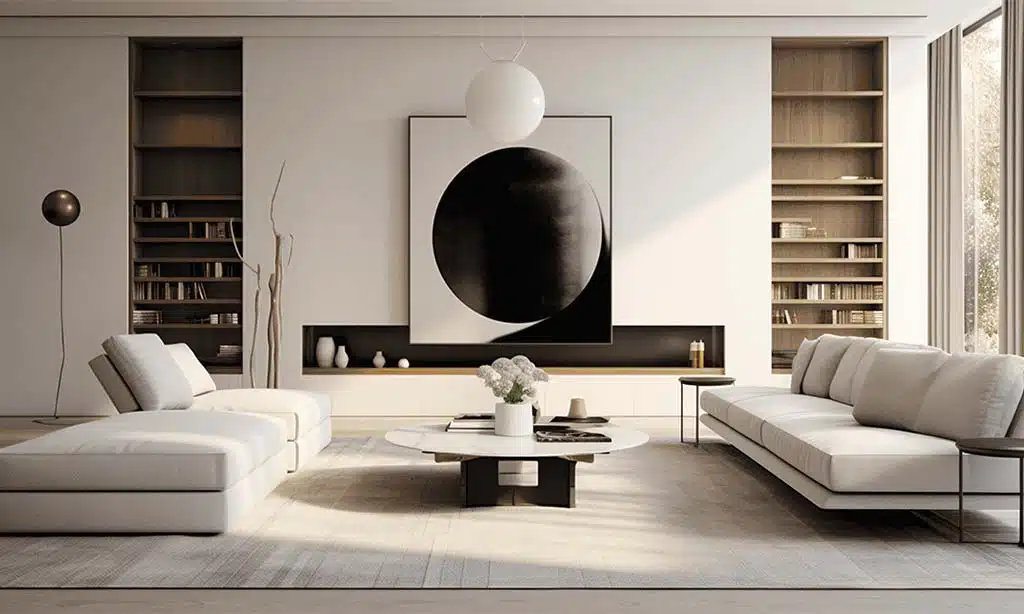
As urban living spaces become smaller, multifunctional furniture has become essential in Scandinavian design. Items like modular sofas, foldable desks, and storage-integrated seating provide functionality without compromising aesthetics. In 2024, this trend will expand, with innovative designs focusing on flexibility and adaptability for compact spaces.
Why It Works: Multifunctional furniture helps maximize space, allowing minimalist interiors to remain uncluttered. It’s practical for people who value both design and utility, especially in apartments or smaller homes.
5. Warm Lighting and Ambient Layering
Scandinavian interiors, cherished for their long, dark winters, heavily rely on lighting. In 2024, there’s a focus on warm, layered lighting to create cozy and welcoming spaces. Pendant lights, floor lamps, and table lamps with soft, warm bulbs are used to layer lighting, enhancing the atmosphere in any room.
Why It Works: Ambient lighting creates an inviting feel, making minimalist spaces warm and approachable. Layering lighting also allows for flexibility, letting homeowners adjust the ambiance to suit different times of the day or moods.
6. Textured Fabrics and Soft Furnishings
In minimalist design, textures add depth without overwhelming simplicity. Scandinavian interiors often feature tactile materials like wool, cotton, and linen, which provide a visual and sensory experience. Rugs, throws, and cushions in neutral tones and subtle patterns create layers of comfort without detracting from the minimalist aesthetic.
Why It Works: Textured fabrics help soften the look of minimalist spaces, making them feel warm and lived-in. They also encourage coziness, an essential feature of the Scandinavian “hygge” concept of comfort and well-being.
7. Open and Functional Layouts
Scandinavian minimalism emphasizes functionality, creating open and fluid layouts that are both practical and aesthetically pleasing. In 2024, this trend will continue, with homes focusing on open floor plans, especially in living and dining areas, to promote social interaction and create a sense of spaciousness.
Why It Works: Open layouts improve the flow of natural light, helping homes feel more expansive. They also support a clutter-free lifestyle, making it easier to maintain a clean, organized environment.
8. Statement Pieces in Minimalist Settings
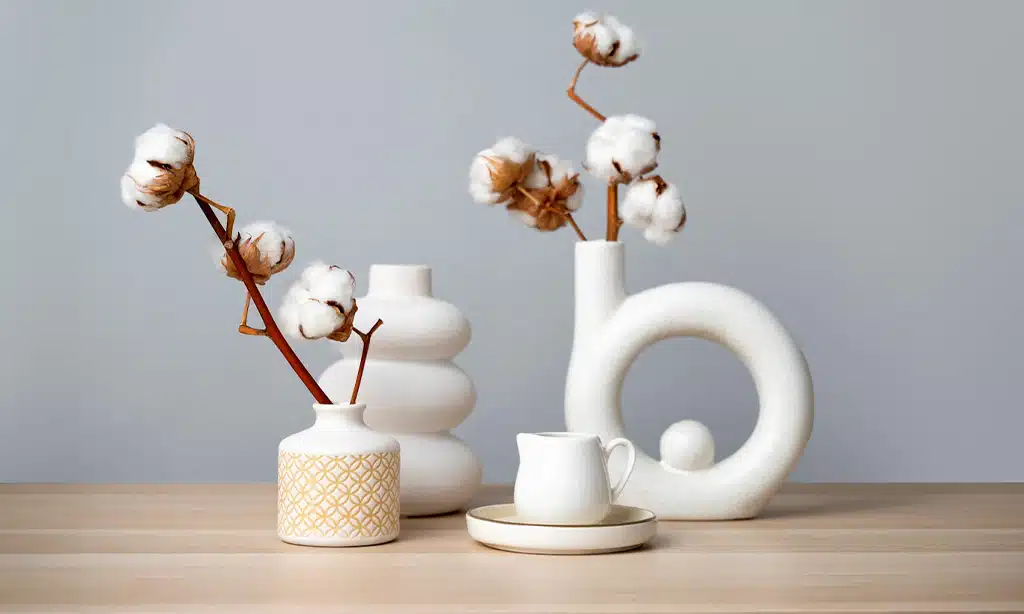
While minimalism often favors simplicity, incorporating a few statement pieces is becoming popular in Scandinavian design. A unique light fixture, an art piece, or a bold accent chair can add personality without cluttering the space. In 2024, Scandinavian homes are likely to incorporate these carefully chosen elements as focal points in otherwise simple rooms.
Why It Works: Statement pieces add character to minimalist spaces and allow homeowners to express individuality. They provide visual interest and contrast, creating a well-balanced interior without deviating from minimalist principles.
Conclusion
Scandinavian minimalism in 2024 continues to be defined by sustainability, simplicity, and functionality. From the use of natural materials to biophilic elements and multifunctional furniture, each trend contributes to creating a serene, intentional living space. These elements are not only visually appealing but also promote a lifestyle that values quality, mindfulness, and a deep connection to nature.
For those seeking to create a calming, organized, and beautiful home, embracing these Scandinavian minimalism trends can lead to a more balanced and fulfilling way of living.





















