

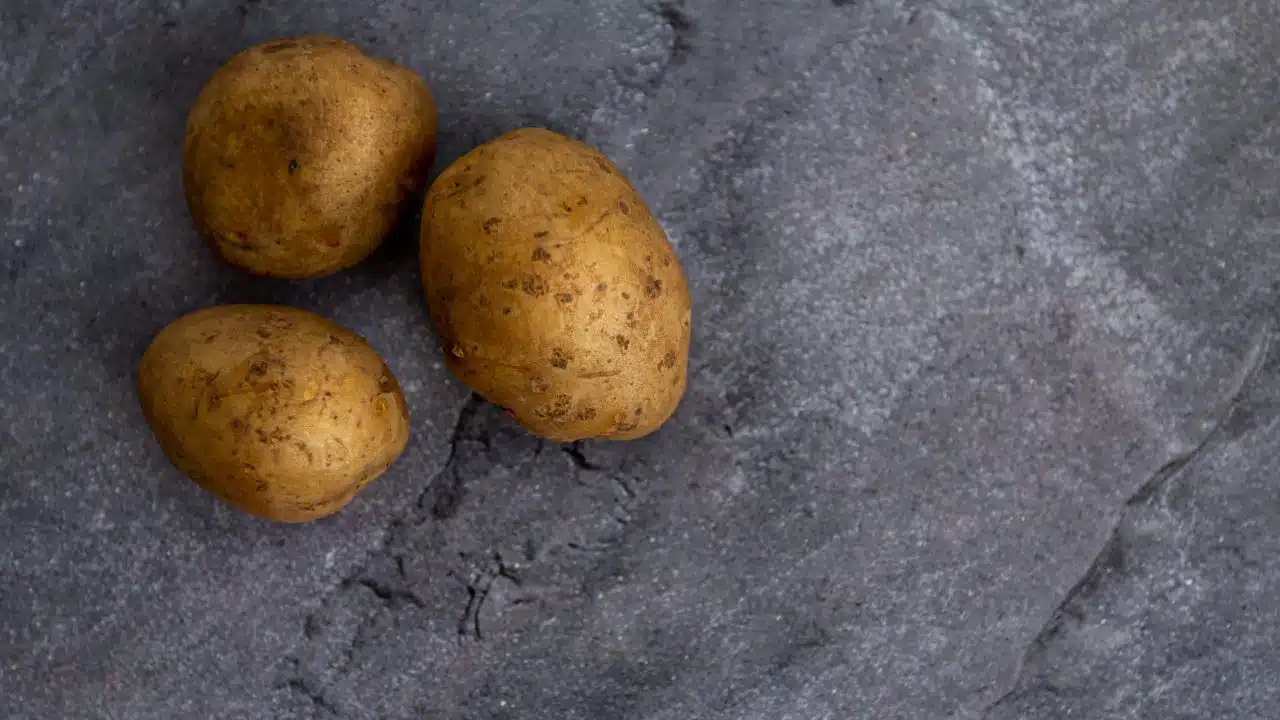
For those diagnosed with type 2 diabetes, maintaining a balanced diet while enjoying favorite foods can be challenging. Potatoes, often deemed a high glycemic index (GI) food, fall into this category, and are frequently labeled off-limits.
However, it is possible to include potatoes in a diabetes-friendly diet with mindful preparation and portion control.
This article explores how individuals with type 2 diabetes can enjoy potatoes safely, highlighting the benefits of specific preparation methods and dietary strategies.
Understanding the Glycemic Index and Glycemic Load
Potatoes are rich in carbohydrates, which can significantly impact blood sugar levels. The glycemic index (GI) ranks foods based on their potential to raise blood sugar levels, with high-GI foods causing rapid spikes.
However, the glycemic load (GL) considers both the quality (GI) and quantity (carbohydrate content) of the food consumed, providing a more comprehensive understanding of a food’s impact on blood sugar.
While potatoes generally have a high GI, their GL can be managed through portion control and preparation.
Mindful Preparation Techniques
1. Cooling Cooked Potatoes:
One effective method to lower the GI of potatoes is to cook them and then let them cool before consuming.
Cooling cooked potatoes increases resistant starch content, which acts like fiber, slowing down digestion and resulting in a more gradual increase in blood sugar levels. This method can make potatoes more diabetes-friendly by reducing their impact on blood glucose.
2. Adding Vinegar:
Studies suggest adding vinegar, especially malt vinegar, to potatoes can lower their GI. The acetic acid in vinegar slows down the digestion and absorption of carbohydrates, which helps in better blood sugar management.
Incorporating vinegar-based dressings and marinades can enhance potatoes’ flavor and nutritional benefits.
3. Pairing with Protein and Fiber:
Eating potatoes alongside high-protein and high-fiber foods can help moderate blood sugar spikes. Protein and fiber increase satiety and reduce carbohydrate consumption in one sitting.
For example, pairing potatoes with lean meat, fish, legumes, and non-starchy vegetables can create a balanced meal.
Best Preparation Methods for Diabetics
1. Boiling and Steaming:
These cooking methods help retain more nutrients and fiber, improving blood sugar control. Boiled or steamed potatoes, especially when consumed with the skin on, provide essential vitamins, minerals, and fiber while remaining low in fat, sugar, and salt.
2. Baking or Roasting:
Baking or roasting potatoes with their skins on can also be a good option. The skin adds fiber and nutrients, making the meal more balanced. Using minimal oil and seasoning can keep the calorie content low while enhancing the taste.
Types of Potatoes Suitable for Diabetes
1. Sweet Potatoes:
Sweet potatoes are a better option for people with diabetes because they have a lower GI than regular white potatoes.
They are also rich in fiber, vitamins, and minerals, such as calcium and vitamin A. Sweet potatoes provide a nutritious alternative that can be enjoyed in various ways, from baked to roasted.
2. Carisma Potatoes:
This variety of white potatoes has a lower GI than other types, making it a suitable choice for people with diabetes.
Carisma potatoes provide the same creamy texture and flavor as regular potatoes but with a reduced impact on blood sugar levels. These potatoes can be used in all the traditional recipes for white potatoes.
Additional Tips for Enjoying Potatoes
1. Avoid High-Calorie Toppings:
Heavy toppings like sour cream, cheese, and bacon add unnecessary calories and saturated fats, increasing the risk of cardiovascular disease, a common concern for individuals with diabetes. Opt for healthier toppings such as low-fat yogurt, herbs, and spices to keep the dish nutritious and heart-healthy.
2. Portion Control:
Managing portion sizes is crucial. Consuming potatoes in moderation, as part of a balanced meal, helps control carbohydrate intake and prevents blood sugar spikes. For example, half a medium-sized or small baked potato can be a reasonable portion.
3. Combining with Low-GI Foods:
Eating potatoes with low-GI foods, such as leafy greens, tomatoes, and non-starchy vegetables, can balance the meal and reduce the overall GI. This combination can help maintain stable blood sugar levels while providing a variety of nutrients.
Recipes and Meal Ideas
1. Herb-Roasted Sweet Potatoes:
Toss sweet potato cubes with olive oil, rosemary, thyme, and garlic, then roast until tender. This dish pairs well with steamed broccoli and grilled chicken, making for a balanced meal rich in protein, fiber, and essential nutrients.
2. Potato-Vegetable Salad:
Combine boiled potato chunks with chopped vegetables like bell peppers, cucumbers, and cherry tomatoes. Dress with a light vinaigrette made from olive oil and balsamic vinegar. This salad provides a refreshing, nutrient-dense option suitable for lunch or dinner.
3. Mashed Cauliflower and Potatoes:
Mix mashed potatoes with steamed cauliflower to lower the carbohydrate content and increase fiber. Season with garlic, salt, and pepper for a creamy side dish that complements grilled fish or chicken.
Summary
While potatoes are a starchy vegetable that can impact blood sugar levels, individuals with type 2 diabetes do not need to eliminate them from their diet entirely.
By using mindful preparation techniques, choosing the suitable types of potatoes, and pairing them with low-GI foods, protein, and fiber, it is possible to enjoy potatoes without compromising health.
Incorporating these strategies into a balanced diet can help manage diabetes effectively while savoring this versatile vegetable’s taste and nutritional benefits.
























