

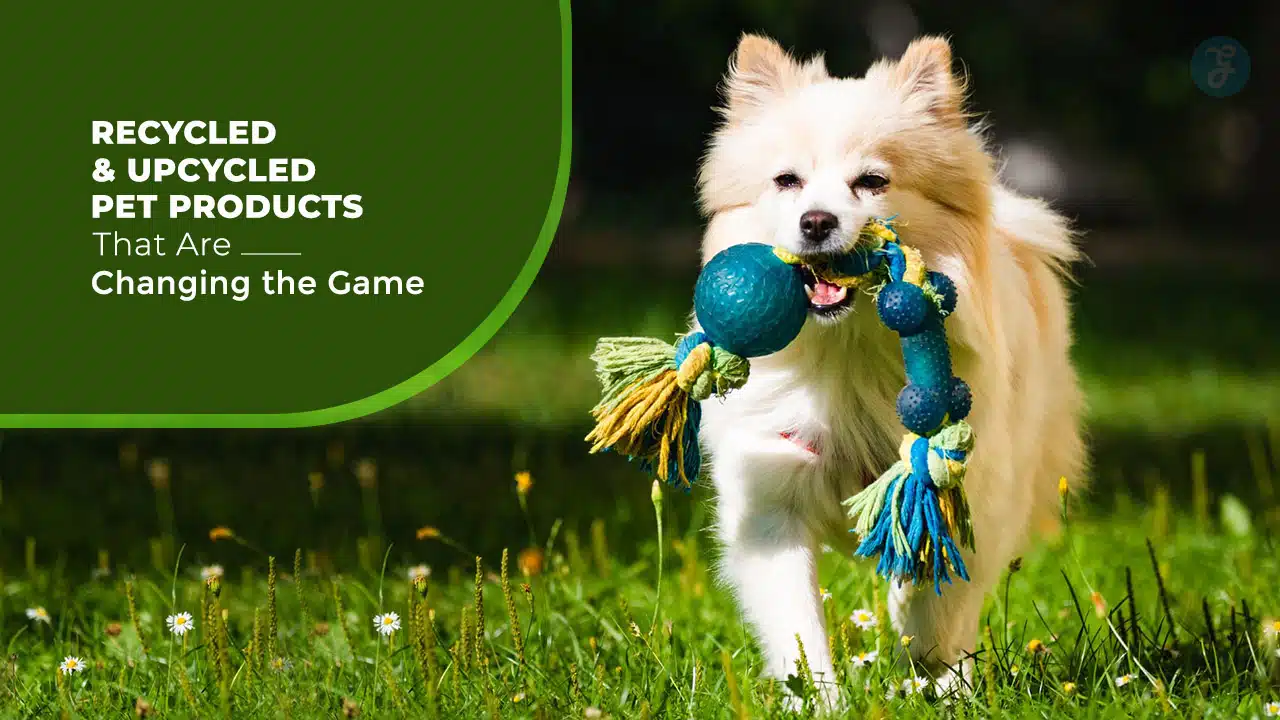
As sustainability becomes a global priority, even pet products are undergoing an eco-friendly transformation. The growing popularity of recycled and upcycled pet products is not just a trend—it’s a game-changer.
These innovative products not only help reduce waste but also provide safe, durable, and stylish options for pets and their owners.
From recycled materials like plastic bottles to upcycled fabrics, these products demonstrate how small changes in purchasing decisions can make a big environmental impact.
According to recent studies, the global pet care industry is adopting sustainable practices faster than ever, driven by consumer demand for greener alternatives.
This article dives into the world of recycled and upcycled pet products, highlighting seven standout innovations, their benefits, and how they’re reshaping the pet industry.
Whether you’re an eco-conscious pet owner or simply curious about sustainable alternatives, this guide will provide valuable insights to help you make informed choices.
Why Recycled and Upcycled Pet Products Matter?
Traditional pet products often contribute to significant waste, particularly those made from plastic, synthetic fabrics, and other non-biodegradable materials. Pet toys, collars, and even bedding can take years to decompose, adding to overflowing landfills.
The pet care industry generates millions of tons of plastic waste annually, with many products discarded after minimal use.
Additionally, the manufacturing process for conventional products often involves high carbon emissions and resource consumption. For instance, plastics used in pet products are derived from fossil fuels, which have a substantial environmental footprint.
Shifting to recycled and upcycled pet products offers a solution to these challenges by repurposing existing materials and reducing the need for virgin resources.
Benefits of Choosing Sustainable Pet Products
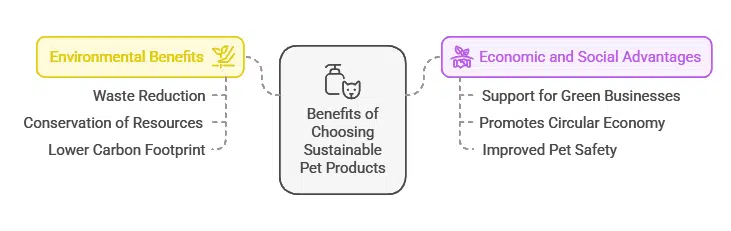
Environmental Benefits:
- Waste Reduction: Diverts materials like plastics and fabrics from landfills and oceans.
- Conservation of Resources: Reduces the demand for raw material extraction, such as oil and cotton.
- Lower Carbon Footprint: Eco-friendly production methods emit fewer greenhouse gases compared to traditional manufacturing.
Economic and Social Advantages:
- Support for Green Businesses: Encourages innovation and growth in eco-conscious brands.
- Promotes Circular Economy: Materials are reused, repurposed, or recycled, creating a sustainable loop.
- Improved Pet Safety: Many recycled and upcycled products are free of harmful chemicals often found in conventional items.
The Top 7 Recycled and Upcycled Pet Products
Selection Criteria
These products were chosen based on their:
- Use of Eco-Friendly Materials: Recycled plastics, natural fibers, and upcycled fabrics.
- Durability: Products designed to last, reducing frequent replacements.
- Pet Safety: Non-toxic and tested for pets’ use.
- Consumer Accessibility: Widely available and affordable for pet owners.
Innovative Products to Explore
1. Eco-Friendly Pet Beds
Pet beds made from recycled materials are not only comfortable but also sustainable. Manufacturers use materials like recycled polyester from plastic bottles or memory foam from post-consumer waste to create plush, durable beds for pets of all sizes.
- Benefits:
- Comfortable and hypoallergenic for pets.
- Machine-washable covers for easy maintenance.
- Available in a variety of designs to suit different home styles.
- Example: Brands like “GreenPaws” and “SustainaPet” have introduced eco-friendly beds with modern aesthetics and environmental benefits. GreenPaws’ best-seller claims to recycle up to 50 plastic bottles per bed.
- Pricing: Starting at $50, depending on size and features.
| Feature | Description |
| Material | Recycled polyester/memory foam |
| Sizes Available | Small to extra-large |
| Maintenance | Machine washable covers |
2. Upcycled Dog Toys
Upcycled dog toys are made from materials like old climbing ropes, recycled fabrics, or even scraps from the textile industry. These toys are not only durable but also fun for pets.
- Benefits:
- Unique textures and designs for engaging play.
- Reduces waste by giving materials a second life.
- Cost-effective compared to traditional toys with similar durability.
- Example: “EcoChew” offers toys crafted from recycled climbing ropes, perfect for heavy chewers. A case study showed that EcoChew’s rope toys lasted 30% longer than regular cotton rope toys.
- Pricing: Ranges from $10 to $30.
| Feature | Description |
| Material | Recycled rope/fabric |
| Durability | Built for heavy chewers |
| Eco-Certification | Verified by sustainable standards |
3. Recycled Plastic Pet Bowls
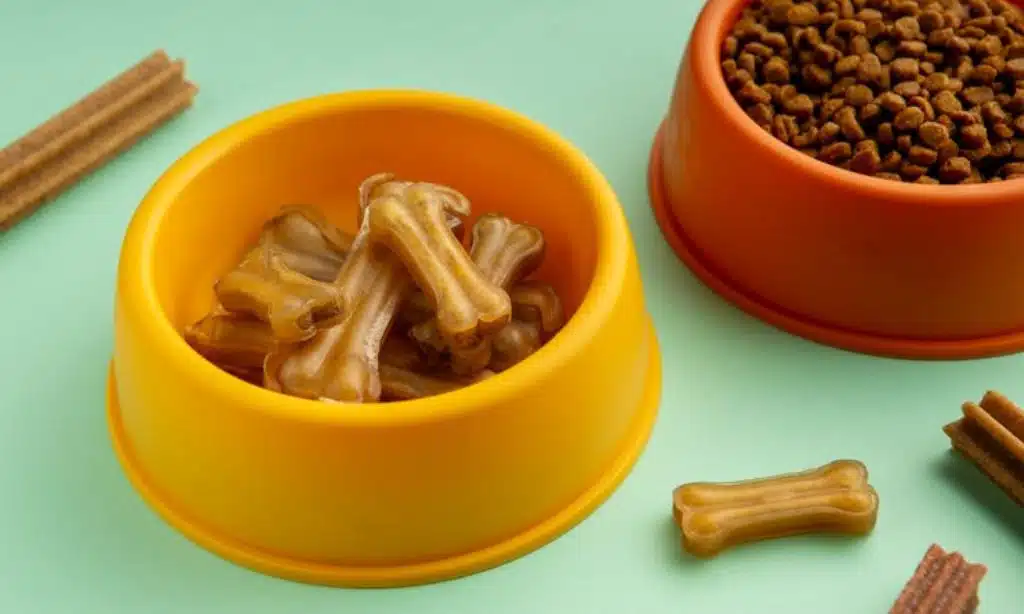
Recycled plastic pet bowls are lightweight, durable, and eco-friendly. Crafted from post-consumer plastics or bioplastics, these bowls are perfect for reducing single-use plastic waste.
- Benefits:
- Non-toxic and pet-safe materials.
- Dishwasher-safe for easy cleaning.
- Stylish designs are available in various colors.
- Example: “PawPrint Plastics” produces pet bowls in vibrant colors, using 100% recycled materials. Their products help divert approximately 10,000 plastic bottles from landfills each year.
- Pricing: $15–$25.
| Feature | Description |
| Material | Recycled plastic/bioplastic |
| Dishwasher Safe | Yes |
| Color Options | Multiple |
4. Sustainable Pet Collars and Leashes
Eco-friendly collars and leashes are made from materials like recycled nylon, cork, or hemp. These accessories are stylish, durable, and environmentally conscious.
- Benefits:
- Long-lasting and weather-resistant.
- Comfortable for pets to wear.
- Affordable pricing without compromising quality.
- Example: “EcoTails” specializes in stylish collars and leashes made from recycled nylon. Their adjustable designs cater to pets of all sizes and activity levels.
- Pricing: $20–$50.
| Feature | Description |
| Material | Recycled nylon/cork/hemp |
| Durability | Weather-resistant |
| Style Options | Multiple designs available |
5. Biodegradable Waste Bags
Biodegradable waste bags are an essential eco-friendly option for pet owners. These bags are made from recycled or plant-based materials, breaking down naturally over time without harming the environment.
- Benefits:
- An environmentally friendly alternative to plastic waste bags.
- Durable enough for secure waste disposal.
- Reduces single-use plastic consumption.
- Example: “GreenPoo” offers biodegradable bags that are sturdy and eco-conscious. A consumer survey found that 85% of GreenPoo users noticed no difference in functionality compared to standard plastic bags.
- Pricing: $10–$15 per roll.
| Feature | Description |
| Material | Recycled/compostable materials |
| Scented Options | Yes |
| Packaging | Recycled cardboard |
6. Recycled Cat Scratching Posts
Cat scratching posts made from upcycled wood and recycled sisal rope offer a sustainable alternative to traditional designs. They provide the same functionality while reducing waste.
- Benefits:
- Durable and long-lasting.
- Provides a safe outlet for cats to scratch.
- Example: “CatEco” creates aesthetically pleasing, eco-friendly scratching posts that blend seamlessly into modern home decor.
- Pricing: $40–$80.
| Feature | Description |
| Material | Recycled wood/sisal rope |
| Stability | Sturdy base to prevent tipping |
| Pet Safety | Non-toxic finishes |
7. Upcycled Pet Apparel
Upcycled pet apparel uses repurposed fabrics to create unique clothing and accessories for pets. These items are perfect for eco-conscious owners who want their pets to stand out.
- Benefits:
- Unique designs made from reclaimed materials.
- Comfortable and safe for pets.
- Example: “ReTail Threads” offers customizable pet apparel made from thrifted fabrics. Each piece is one-of-a-kind, reducing textile waste.
- Pricing: $25–$75.
| Feature | Description |
| Material | Upcycled fabrics |
| Customizable | Tailored to pet size |
| Care Instructions | Machine washable |
How to Choose the Right Sustainable Pet Products?
Key Considerations for Pet Owners
- Material Safety: Ensure products are free of harmful chemicals and safe for pets.
- Durability: Invest in long-lasting items to minimize waste.
- Suitability: Choose products tailored to your pet’s needs and preferences.
Supporting Eco-Conscious Brands
- Research Brand Values: Look for companies committed to sustainability and transparency.
- Certifications to Look For: USDA Organic, Fair Trade, or Cradle-to-Cradle certifications indicate eco-friendliness.
- Customer Reviews: Learn from other pet owners’ experiences with the product.
The Future of Sustainable Pet Products
Trends to Watch
- Innovation in Materials: Advances in plant-based and lab-grown materials for pet products.
- Circular Economy Models: Recycling programs that encourage take-back and reuse.
- Increased Consumer Awareness: Growing demand is pushing brands to innovate.
The Role of Pet Owners
- Advocacy for Sustainable Practices: Educating others and supporting eco-friendly initiatives.
- Demand for Transparency: Holding brands accountable for their environmental claims.
Takeaways
Recycled and upcycled pet products are not just a passing trend—they represent the future of sustainable living. By choosing eco-friendly options, pet owners can reduce their environmental impact while ensuring their pets enjoy high-quality, safe products.
Small, thoughtful changes can collectively create a significant positive effect on the planet. Embrace the movement toward sustainable pet ownership today.





















