
In today’s fast-paced world, coffee culture is thriving. Whether you grab a morning latte from your favorite café or sip an afternoon pick-me-up, chances are you’ve used a disposable cup. But have you ever considered the environmental, financial, and health impacts of these single-use items?
Every year, billions of disposable cups end up in landfills and oceans, contributing to plastic pollution and deforestation. Disposable coffee cups, particularly those with plastic linings, are rarely recycled due to their composition, leading to long-term waste accumulation. The solution? Making a simple yet powerful switch to reusable coffee mugs.
This small lifestyle change offers numerous benefits, from reducing landfill waste to saving money and even enhancing your coffee experience. In this article, we will explore five compelling reasons to ditch disposable cups and embrace an eco-friendly, cost-effective, and sustainable coffee-drinking experience.
The Problem with Disposable Cups
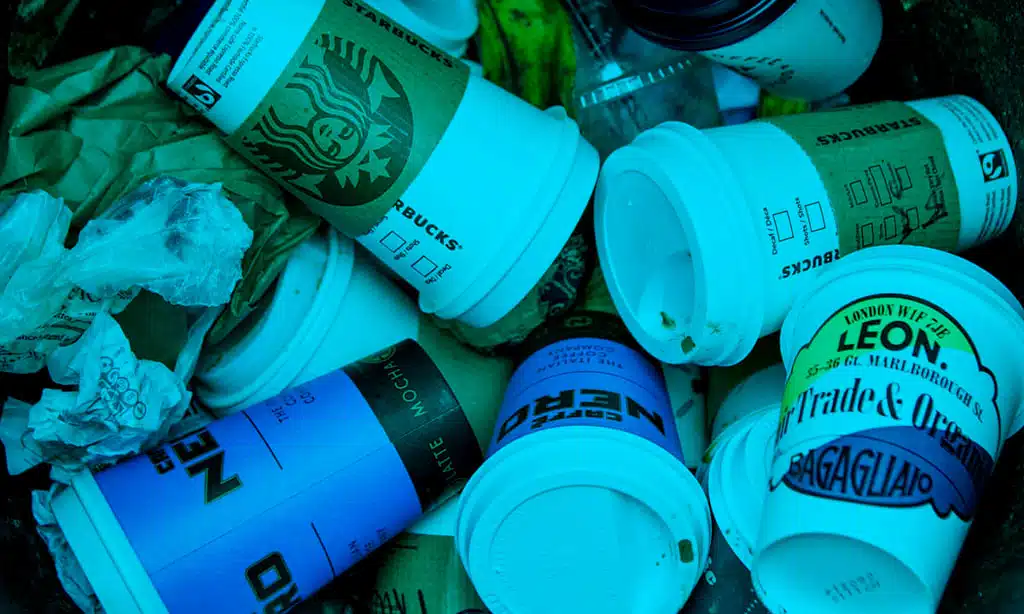
Disposable cups may seem harmless, but their impact on the planet is staggering. Here’s why:
- Massive Waste Production: Over 500 billion disposable cups are produced globally each year, with most ending up in landfills and oceans.
- Non-Recyclable Materials: Many cups are lined with plastic (polyethylene), making them difficult to recycle.
- Deforestation & Resource Depletion: The production of paper cups leads to the destruction of millions of trees annually, while plastic cups contribute to oil consumption.
- Carbon Footprint: Manufacturing, transportation, and disposal of disposable cups generate significant greenhouse gas emissions.
| Impact | Statistics |
| Global Disposable Cup Usage | Over 500 billion cups annually |
| Recycling Rate | Less than 1% effectively recycled |
| Trees Cut Down Annually | Millions for paper cup production |
| Plastic Waste Contribution | Millions of tons per year |
The Hidden Cost of Single-Use Coffee Cups
Using disposable cups is more costly than you might think. Businesses and consumers collectively spend billions annually on producing and disposing of these cups.
| Factor | Cost Impact |
| Production | Involves raw materials, manufacturing, and energy use |
| Waste Management | Billions spent on disposal and landfill maintenance |
| Business Expenses | Coffee shops pay more for single-use cups |
| Consumer Spending | Some cafés charge extra for disposable cups |
Switching to a reusable coffee mug eliminates these hidden expenses while promoting sustainability.
The Health Risks Associated with Disposable Cups
Did you know that disposable cups can pose potential health risks? Here’s how:
- Microplastic Contamination: Many cups contain plastic linings that break down into microplastics, which can leach into your drink.
- Chemical Exposure: BPA and other harmful chemicals may be present in the plastic lining of some cups.
- Hot Beverage Reactions: When exposed to heat, some disposable cup materials release toxins that may affect your health.
Using a reusable coffee mug eliminates these risks and ensures a safer drinking experience.
Why You Should Embrace Reusable Coffee Mugs?
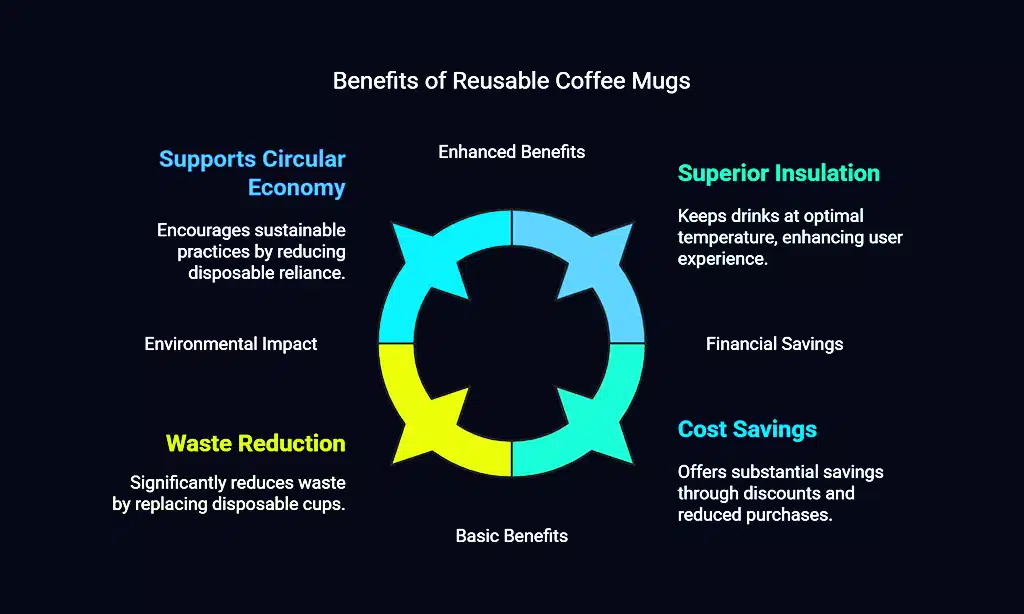
Switching to a reusable coffee mug is one of the most effective ways to reduce waste and minimize environmental harm. Here’s why:
- Reduces Waste: One reusable mug can replace hundreds of disposable cups per year.
- Conserves Resources: Fewer trees are cut down, and less plastic is produced.
- Supports Circular Economy: Reusable cups promote a sustainable lifestyle and reduce reliance on disposable products.
| Benefit | Impact |
| Waste Reduction | Hundreds of cups saved per person annually |
| Resource Conservation | Less paper and plastic production |
| Carbon Footprint Reduction | Lower energy usage in production and disposal |
Cost Savings Over Time: A Smart Financial Choice
While investing in a reusable mug may cost a few dollars upfront, it quickly pays for itself. Many coffee shops offer discounts when you bring your own cup, saving you money in the long run.
| Investment | Cost |
| Reusable Mug | $10 – $30 (one-time purchase) |
| Discount Per Coffee | $0.10 – $0.50 per drink |
| Annual Savings | Up to $100+ |
Enhanced Coffee Experience with Insulated Mugs
Unlike flimsy disposable cups, high-quality reusable coffee mugs offer superior insulation, keeping your drink hotter (or colder) for longer.
- Better Temperature Retention: Stainless steel and thermal mugs keep drinks hot for hours.
- Leak-Proof & Durable: No more spills, leaks, or weak cup structures.
- Stylish & Customizable: Choose from various designs, colors, and sizes.
5 Reasons to Ditch Disposable Cups and Choose Reusable Ones
- Reduce Waste
- Disposable cups contribute significantly to global waste. A reusable cup prevents the unnecessary accumulation of plastic and paper waste, reducing pollution levels.
- Save Money
- Many coffee shops offer discounts for customers who bring their own mugs. Over time, this leads to considerable financial savings, making it both an economical and eco-friendly choice.
- Better Taste
- Disposable cups can alter the flavor of your coffee due to their plastic or paper linings. A high-quality reusable coffee mug ensures a pure, untainted coffee experience.
- Healthier Choice
- Disposable cups contain harmful chemicals such as BPA, which may leach into hot beverages. Reusable mugs made of stainless steel or glass provide a safer, toxin-free alternative.
- Eco-Friendly Statement
- Using a reusable coffee mug makes a strong environmental statement, showcasing your commitment to sustainability. It encourages others to adopt greener habits.
| Reason | Benefit |
| Reduce Waste | Less pollution and landfill overflow |
| Save Money | Discounts at coffee shops, long-term savings |
| Better Taste | No contamination from cup linings |
| Healthier Choice | Avoid toxins and microplastics |
| Eco-Friendly Statement | Promote sustainability and inspire others |
How to Make the Switch to Reusable Coffee Mugs?
Consider these factors when selecting your reusable coffee mug:
- Material: Stainless steel, glass, bamboo, or BPA-free plastic
- Size: Match your regular coffee order (8oz, 12oz, 16oz, etc.)
- Insulation: Double-walled for heat retention
- Lid & Leak-Proof Design: Essential for commuting
Best Practices for Cleaning and Maintaining Your Mug
- Wash with warm, soapy water after each use
- Use baking soda for deep cleaning
- Avoid harsh scrubbing that may damage insulation
Takeaways
It’s time to rethink our daily habits and make small yet impactful changes. By ditching disposable cups and embracing reusable coffee mugs, you contribute to a cleaner planet, save money, and enjoy a better coffee-drinking experience.
Join the sustainable coffee movement today and make a difference—one cup at a time!