

New Zealand is renowned for its fertile soil, temperate climate, and innovative farming practices, making it a global leader in horticulture.
This thriving sector not only contributes significantly to the country’s economy but also supports rural communities and creates opportunities for sustainable farming.
In this article, we explore the top 10 most profitable horticultural crops in New Zealand and the factors that make them so lucrative.
Whether you’re a seasoned farmer or a budding entrepreneur, understanding these crops can help you make informed decisions for success.
The Importance of Horticulture in New Zealand
Horticulture is a cornerstone of New Zealand’s agricultural industry, contributing over $6 billion annually to the economy.
Export crops like kiwifruit, apples, and cherries drive global trade, while locally consumed produce supports domestic markets.
With advancements in technology and a focus on sustainability, horticulture plays a vital role in feeding populations and generating revenue.
Key Contributions of Horticulture:
| Aspect | Contribution |
| Economic Impact | $6 billion+ annually to GDP |
| Export Revenue | Accounts for over 50% of total agricultural exports |
| Employment | Provides thousands of jobs in rural and urban areas |
| Sustainability Focus | Promotes eco-friendly farming practices |
Criteria for Profitability
Not all crops yield the same financial benefits. Farmers in New Zealand evaluate profitability based on several key factors:
- Market Demand: Crops with consistent local and global demand fetch higher prices.
- Climate Suitability: Matching crops to New Zealand’s diverse microclimates ensures better yields.
- Yield per Hectare: High-yield crops maximize land productivity.
- Export Potential: Global markets often provide higher returns than domestic sales.
These factors guide farmers in selecting crops that align with their resources and market opportunities.
10 Most Profitable Horticultural Crops in New Zealand
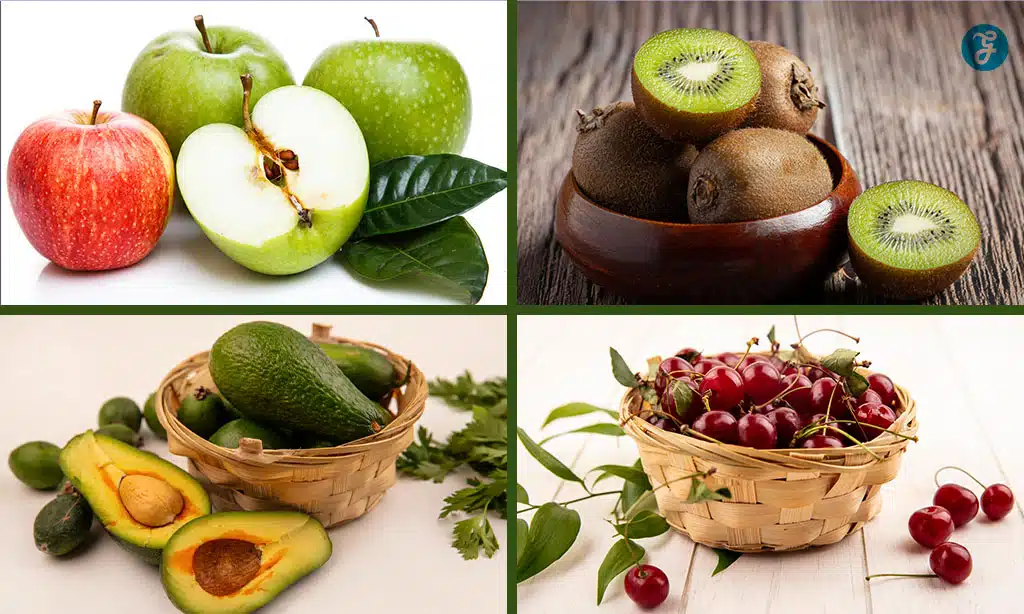
| Crop | Main Features | Export Revenue | Key Markets |
| Kiwifruit | Green and SunGold varieties | $3.9 billion (2024) | Asia, Europe, North America |
| Apples | Jazz, Envy, Gala varieties | $1 billion+ annually | Europe, Asia, USA |
| Avocados | Superfood with creamy texture | $240 million annually | Australia, Asia |
| Cherries | Luxury export, vibrant & sweet | $90 million+ | Asia, USA |
| Blueberries | Health-conscious superfood | $50 million annually | USA, Europe, Asia |
| Grapes | Wine production | $2 billion | USA, UK, Australia |
| Peppers (Capsicum) | Versatile, processed food demand | $30 million+ | Australia, Asia |
| Tomatoes | Greenhouse-grown, processed food use | $120 million annually | Asia, Pacific Islands |
| Feijoas | Exotic fruit, niche market | $10 million annually | Local and export |
| Nuts (Walnuts & Hazelnuts) | Sustainable and versatile | $20 million annually | Domestic and global |
1. Kiwifruit
Kiwifruit is New Zealand’s star export crop, valued for its high demand and premium market price.
Zespri, the leading kiwifruit brand, exports to over 50 countries, ensuring that New Zealand remains a dominant player in the global kiwifruit market.
Additionally, the SunGold variety has revolutionized the industry, offering higher yields and greater resistance to diseases, further boosting profitability.
| Feature | Details |
| Main Varieties | Green and SunGold |
| Average Yield | 12,000–15,000 kg per hectare |
| Export Markets | Asia, Europe, North America |
| Revenue (2024) | $3.9 billion |
Why Profitable:
- Long shelf life and exportability.
- High consumer demand for nutrient-rich fruits.
2. Apples
Apples are among the most exported fruits from New Zealand, with varieties like Jazz and Envy achieving international acclaim.
Known for their crisp texture and sweet flavor, these apples are highly valued by consumers worldwide.
New Zealand’s innovative storage and shipping techniques further enhance their appeal, ensuring they reach global markets in pristine condition.
| Feature | Details |
| Popular Varieties | Jazz, Envy, Gala |
| Average Yield | 40,000–50,000 kg per hectare |
| Export Revenue | $1 billion+ annually |
| Primary Markets | Europe, Asia, USA |
Why Profitable:
- Strong demand for high-quality apples.
- Extensive global distribution network.
3. Avocados
Avocado farming has boomed due to its popularity as a “superfood.” New Zealand’s avocados are prized for their quality.
With a creamy texture and rich flavor, they stand out in the global market.
Moreover, the country’s strategic export practices and focus on sustainable farming ensure that avocados maintain their premium status internationally.
| Feature | Details |
| Harvest Season | August to February |
| Average Yield | 10,000 kg per hectare |
| Export Revenue | $240 million annually |
| Major Markets | Australia, Asia |
Why Profitable:
- High-value crop with rising global consumption.
- Efficient production practices enhance yield.
4. Cherries
Cherries are a premium crop, particularly popular during the holiday season in export markets.
Their vibrant color, sweetness, and short harvest window make them a festive favorite, commanding high prices.
Additionally, New Zealand’s cherries are often considered a luxury export, further enhancing their market value.
| Feature | Details |
| Harvest Season | December to January |
| Average Yield | 7,000–9,000 kg per hectare |
| Export Revenue | $90 million+ |
| Key Markets | Asia, USA |
Why Profitable:
- High market prices during the festive season.
- Exclusive export niche.
5. Blueberries
Blueberries are a health-conscious consumer’s favorite, making them a high-demand crop globally.
Packed with antioxidants and essential nutrients, they are particularly valued for their health benefits.
New Zealand’s ability to produce high-quality blueberries ensures a strong presence in competitive markets worldwide.
| Feature | Details |
| Growing Season | October to March |
| Average Yield | 6,000–8,000 kg per hectare |
| Export Revenue | $50 million annually |
| Markets | USA, Europe, Asia |
Why Profitable:
- Growing health food market.
- Long harvest season ensures steady income.
6. Grapes
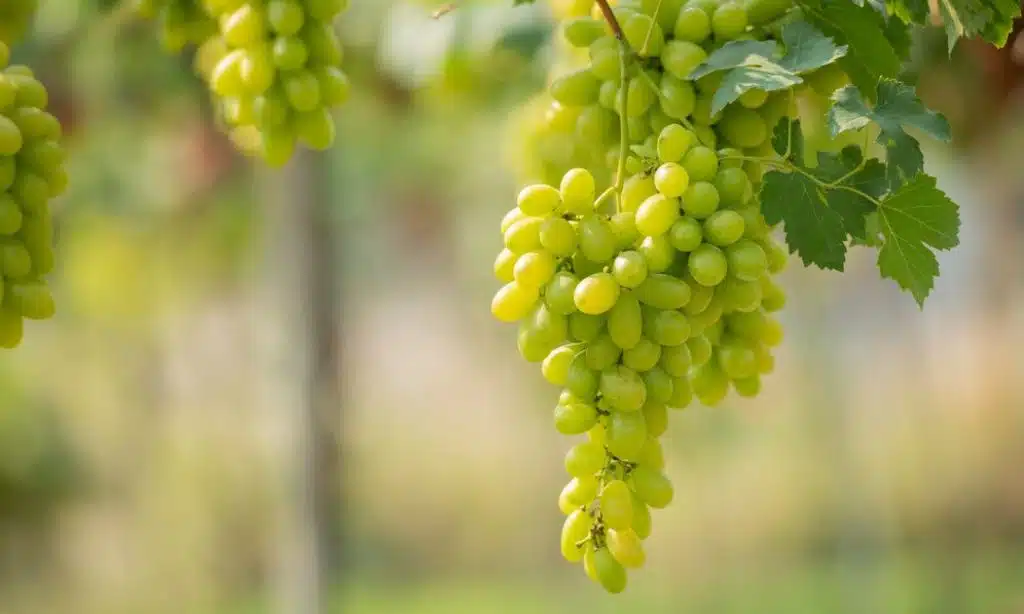
Grapes for wine production are a major contributor to New Zealand’s horticultural success, with Marlborough Sauvignon Blanc leading exports.
The region’s unique climate and soil conditions produce high-quality grapes that are in demand worldwide.
Additionally, New Zealand’s reputation for premium wines bolsters the global appeal of its grape industry.
| Feature | Details |
| Main Uses | Wine production |
| Average Yield | 9,000–12,000 kg per hectare |
| Export Revenue | $2 billion |
| Key Markets | USA, UK, Australia |
Why Profitable:
- High-value wine industry.
- Premium branding boosts export value.
7. Peppers (Capsicum)
Capsicum is a versatile crop with strong domestic and export demand for both fresh and processed products.
Its adaptability to various climates and growing conditions makes it a reliable choice for farmers.
Additionally, the rising popularity of ready-to-eat meals has further boosted its demand in processed food industries worldwide.
| Feature | Details |
| Average Yield | 50,000–60,000 kg per hectare |
| Export Markets | Australia, Asia |
| Revenue Potential | $30 million+ |
Why Profitable:
- High yield per hectare.
- Expanding demand for processed food products.
8. Tomatoes
Tomatoes are a staple in New Zealand’s domestic and export markets, especially those grown in greenhouses.
They are widely used in various cuisines and are a key ingredient in processed food products like sauces and canned goods.
The ability to produce high yields under controlled conditions ensures consistent supply throughout the year, meeting the demands of both local and international markets.
| Feature | Details |
| Greenhouse Yield | 100,000 kg per hectare |
| Export Revenue | $120 million annually |
| Key Markets | Asia, Pacific Islands |
Why Profitable:
- High demand year-round.
- Controlled greenhouse conditions ensure consistent quality.
9. Feijoas
Feijoas are unique to New Zealand and cater to a niche market of enthusiasts both locally and internationally.
Their distinctive flavor and aroma make them highly sought after, especially in regions where exotic fruits are in demand.
Additionally, feijoas are easy to grow, requiring minimal inputs, which adds to their appeal for small-scale and large-scale farmers alike.
| Feature | Details |
| Growing Season | March to May |
| Average Yield | 20,000 kg per hectare |
| Market Potential | $10 million annually |
Why Profitable:
- Strong local market and growing export interest.
- Resilient crop with low maintenance needs.
10. Nuts (Walnuts and Hazelnuts)
Nut farming, especially walnuts and hazelnuts, is gaining traction as a sustainable and high-value crop.
These nuts are particularly sought after in global markets due to their versatility, long shelf life, and health benefits.
New Zealand’s focus on eco-friendly farming techniques further enhances their appeal, making nut farming an attractive option for both domestic and export markets.
| Feature | Details |
| Harvest Season | Late autumn |
| Average Yield | 3,000–4,000 kg per hectare |
| Market Value | $20 million annually |
Why Profitable:
- Increasing demand for plant-based diets.
- Long shelf life makes them ideal for export.
Challenges and Opportunities
Challenges:
- Climate change affecting crop cycles.
- Labor shortages during peak seasons.
- Competition from international markets.
Opportunities:
- Organic farming and premium branding.
- Expansion into untapped markets.
- Government incentives for sustainable practices.
How to Get Started with Profitable Horticulture
Check out the 4 major steps before starting the horticulture:
1. Research Market Trends:
Start by exploring reliable resources like Horticulture New Zealand reports or global trade publications to identify which crops have growing demand and consistent margins.
Analyzing export trends and consumer preferences can give you an edge in selecting the right crops.
2. Select Suitable Land
Consider factors such as soil quality, water availability, and regional climate. Tools like soil testing kits and geographic information systems (GIS) can help you identify the most suitable land for your chosen crops.
For example, kiwifruit thrives in the Bay of Plenty due to its specific climatic requirements.
3. Invest in Technology
Leverage precision agriculture technologies, such as automated irrigation systems, drones for monitoring crop health, and data-driven yield predictions.
These tools not only enhance productivity but also optimize resource use, ensuring higher profitability.
4. Seek Expert Advice
Engage with horticulture consultants, attend industry workshops, and join local cooperatives. These networks provide invaluable insights into best practices, pest management strategies, and market connections.
The New Zealand Horticulture Hub often organizes seminars to help farmers stay updated with industry advancements.
Takeaway
New Zealand’s horticultural industry offers immense opportunities for profitability and sustainability.
From kiwifruit to nuts, the diverse range of crops caters to global and local markets alike.
By leveraging innovative practices and staying attuned to market trends, farmers can maximize returns while contributing to the nation’s agricultural success.
Whether you’re a beginner or an experienced grower, the potential for growth in this sector is boundless.






















